

To improve car ride quality, a smooth and comfortable drive does more than make daily travel pleasant. It also helps reduce fatigue, supports better vehicle control, and protects important parts of your car from unnecessary wear. Many drivers focus only on engine performance or fuel economy, but the way a car feels on the road matters just as much. If your vehicle feels rough over bumps, noisy at higher speeds, or less stable than it used to be, there are several practical ways to fix that. The good news is that you do not always need a luxury car to enjoy a better driving experience.
In many cases, simple maintenance and a few smart improvements can enhance the car ride experience and make every trip more enjoyable.
Ride quality depends on many factors working together. Your tires, suspension system, seats, wheel alignment, cabin insulation, and even driving habits all play a role. When one or more of these areas are ignored, the car may feel uncomfortable, shaky, or noisy. On the other hand, when these parts are properly maintained and upgraded where needed, the vehicle becomes smoother, quieter, and more balanced. This guide explains 10 effective tricks to improve your car ride quality and help you enjoy a better overall driving experience.
1: Understand What Affects Ride Quality

Before making changes, it helps to understand why some cars feel smooth while others feel harsh. Ride quality is mostly influenced by how well the vehicle absorbs road imperfections. Suspension components such as shocks, struts, springs, and bushings are designed to reduce the impact of potholes, uneven roads, and bumps. Tires also matter because they are the first part of the car to meet the road. Tire size, pressure, and tread design all affect comfort.
Weight distribution, wheel balance, steering response, and interior noise levels also shape the driving experience. If your car feels stiff, unstable, or noisy, the problem may stem from multiple minor issues rather than a single major fault. That is why taking a comprehensive approach is the best way to improve car ride quality, rather than focusing on just one part.
2: Keep Your Tires At The Correct Pressure
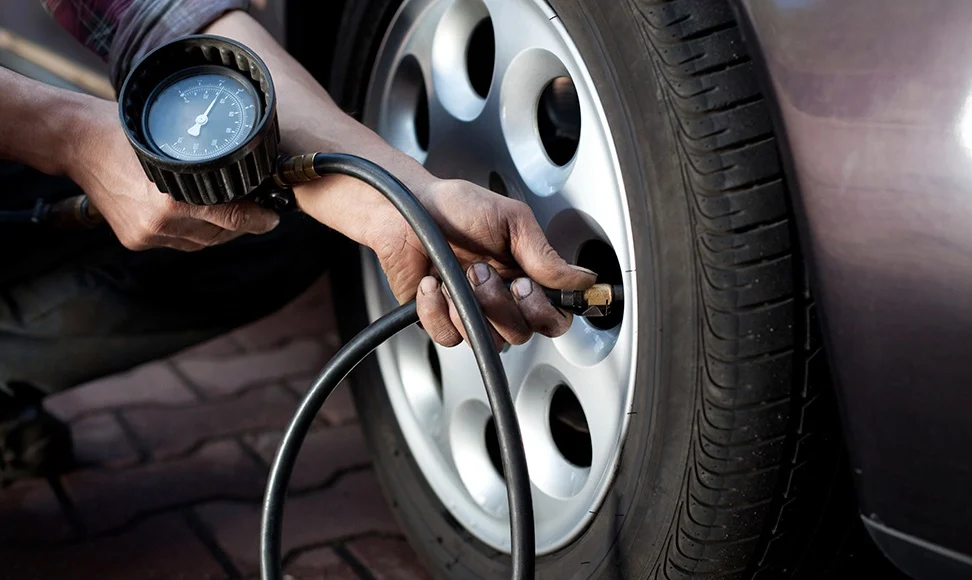
One of the easiest and most overlooked ways to improve car ride quality is to maintain proper tire pressure. Overinflated tires often make the ride feel hard and bouncy because they cannot absorb road shock as well. Underinflated tires can make the car feel sluggish, unstable, and less responsive during turns. Both conditions reduce comfort and may also affect safety and fuel efficiency.
Check your tire pressure regularly using the level recommended by your vehicle manufacturer, not the number printed on the tire sidewall. You can usually find the correct pressure inside the driver’s door frame or in the owner’s manual. A small pressure adjustment can make a noticeable difference in how the car handles rough roads. Seasonal temperature changes can also affect pressure, so routine checks are important year-round.
3: Upgrade To Better Comfort-Focused Tires
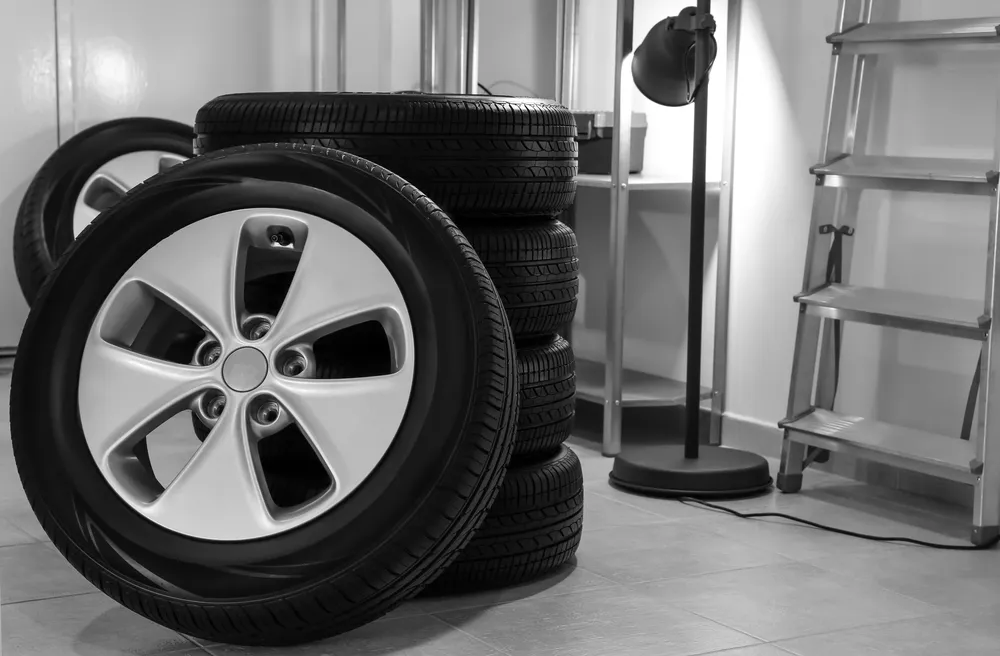
Not all tires are built the same. Some are designed mainly for sporty handling, while others are made for low noise and smooth driving. If comfort is your goal, switching to a set of high-quality touring tires can significantly improve ride quality. Tires with softer sidewalls and comfort-based tread patterns are better at absorbing road vibrations and reducing cabin noise.
Low-profile tires may look attractive, but they often deliver a firmer ride because there is less rubber to cushion road impact. If your car currently uses very thin sidewall tires, switching to a slightly more comfort-oriented option can improve the experience. It is important to choose tires that match your vehicle type, local climate, and driving style. Good tires are among the smartest investments for anyone who wants a smoother, quieter drive.
4: Inspect And Replace Worn Shocks Or Struts
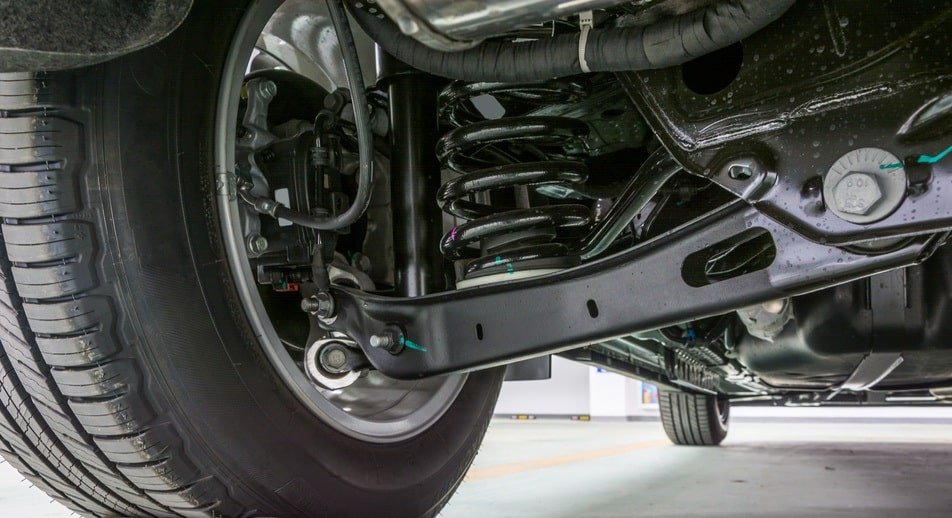
Your shocks and struts are key parts of the suspension system. Their job is to control motion and absorb bumps, keeping the car stable and comfortable. Over time, these parts wear out, often so gradually that drivers do not notice how much ride comfort has declined. If your car bounces too much after hitting a bump, dips forward when braking, or feels unstable on uneven roads, worn shocks or struts may be the cause.
Replacing old suspension components can greatly improve car ride quality and restore a more controlled feel behind the wheel. New shocks and struts help keep the tires in better contact with the road, which improves both comfort and handling. It is wise to replace them with quality parts suited to your vehicle rather than the cheapest available option. A well-maintained suspension creates a major difference in how a car feels every day.
5: Get A Professional Wheel Alignment
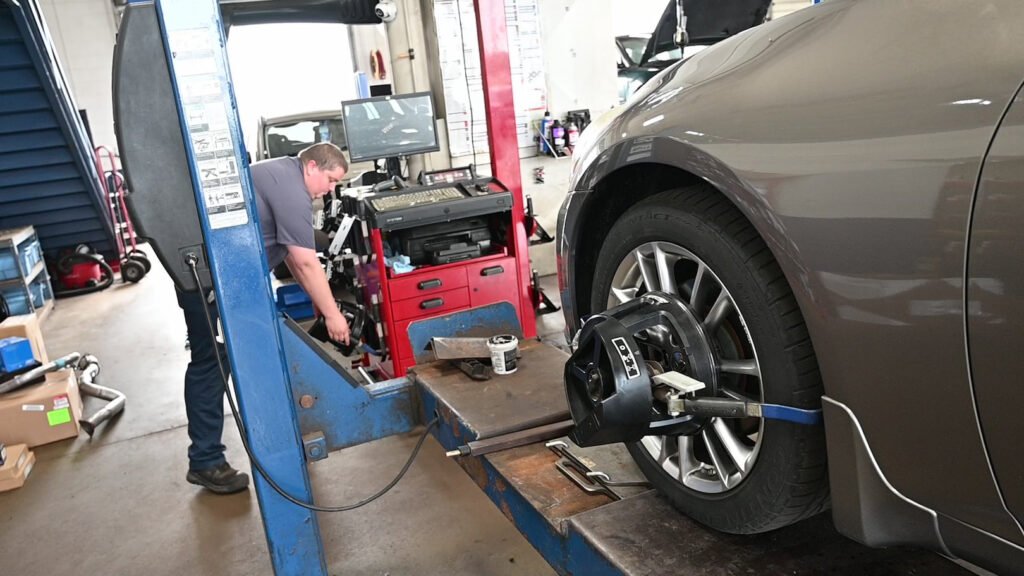
Poor wheel alignment can make even a good car feel uncomfortable. When the wheels are not properly aligned, the car may pull to one side, the steering wheel may sit off-center, and the tires may wear unevenly. Misalignment can also cause vibrations and a less stable ride, especially at highway speeds. If you want to improve the quality of your car ride, alignment should be on your checklist.
A professional wheel alignment ensures that all wheels are positioned according to factory specifications. This helps the car move straight, handle better, and distribute road contact more evenly across the tires. Drivers often notice that the vehicle feels smoother and more predictable after an alignment service. It is especially important to check alignment after hitting a major pothole, replacing suspension parts, or installing new tires.
6: Replace Damaged Suspension Bushings
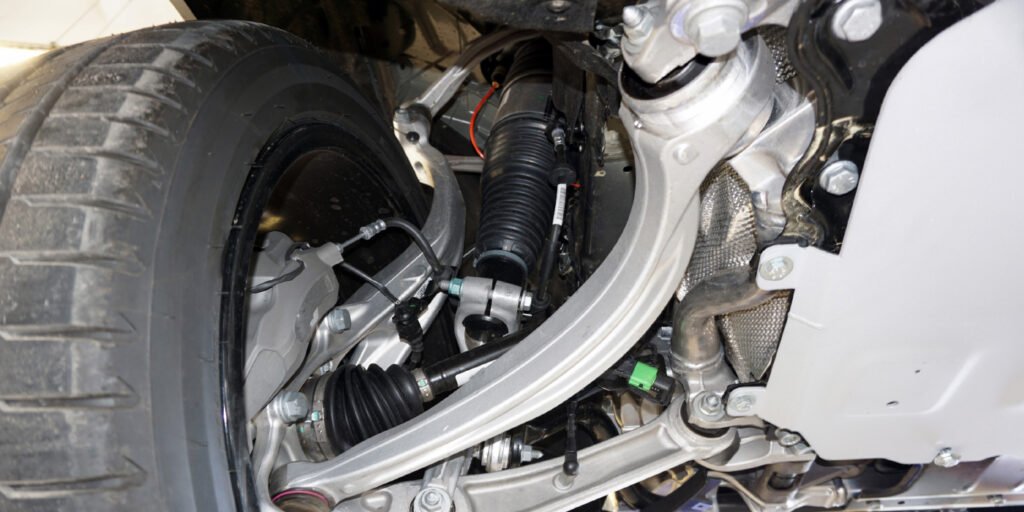
Suspension bushings are small rubber or polyurethane components that cushion movement between metal parts. They help reduce vibration, noise, and harshness in the suspension system. When bushings wear out or crack, the car can start to feel rough, loose, or noisy. Many drivers overlook them because they are not as well-known as shocks or tires, but they play an important role in comfort.
If your car produces clunking sounds over bumps or feels less refined than before, worn bushings may be to blame. Replacing damaged bushings can improve car ride quality by restoring smoother movement and reducing unwanted road feedback. Rubber bushings usually provide a softer, more comfort-focused feel, while stiffer materials may improve handling at the expense of comfort. The best choice depends on how you use your vehicle.
7: Reduce Cabin Noise With Better Insulation
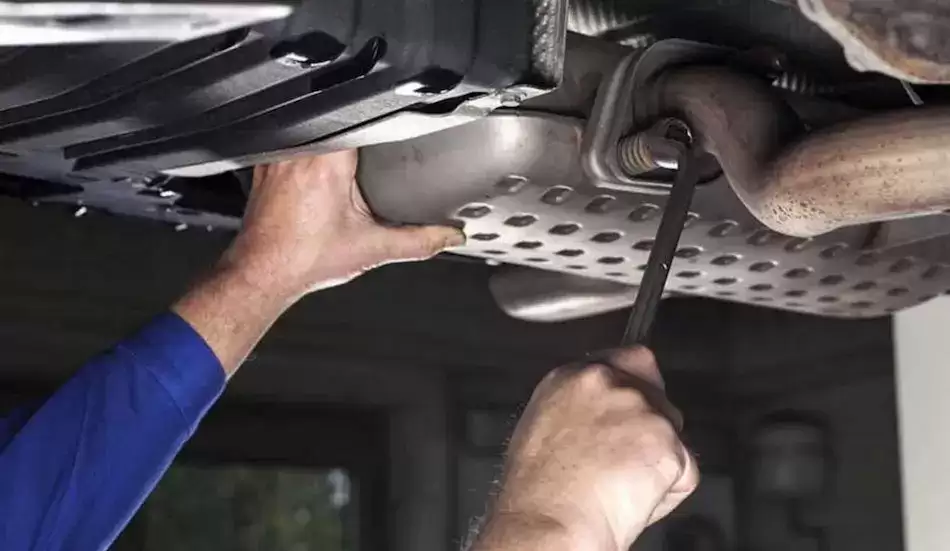
Ride quality is not only about how the suspension feels. It is also about how calm and quiet the cabin remains while driving. Excessive road noise, wind noise, and vibration can make even a decent ride feel tiring. One useful way to improve car ride quality is to reduce interior noise through sound insulation.
Adding sound-deadening material to doors, floor panels, the trunk area, and wheel arches can make the cabin feel much more refined. This helps block tire roar, road rumble, and outside noise. Better door seals and proper window alignment also help keep unwanted sound out. A quieter cabin improves the driving experience by making the ride feel more premium, relaxed, and comfortable. Many car owners who focus on comfort upgrades see noise reduction as a high-value improvement.
8: Maintain Your Seats And Seating Position

A car can have a good suspension system and still feel uncomfortable if the seats are unsupportive or poorly adjusted. Long drives become tiring when your back, shoulders, and legs are not properly supported. Seating comfort is a major part of the ride experience, especially for commuters and people who spend a lot of time on the road.
Adjust your seat so that your back is fully supported and your arms can reach the steering wheel without strain. If your vehicle has worn seat padding, broken supports, or poor lumbar support, consider using a high-quality seat cushion or upgrading the seats. Even small improvements in seating can enhance the car ride quality from the driver’s perspective, as the body feels less stress from bumps and vibrations. Comfort begins where the driver and passengers physically interact with the vehicle.
9: Balance Your Wheels For A Smoother Drive
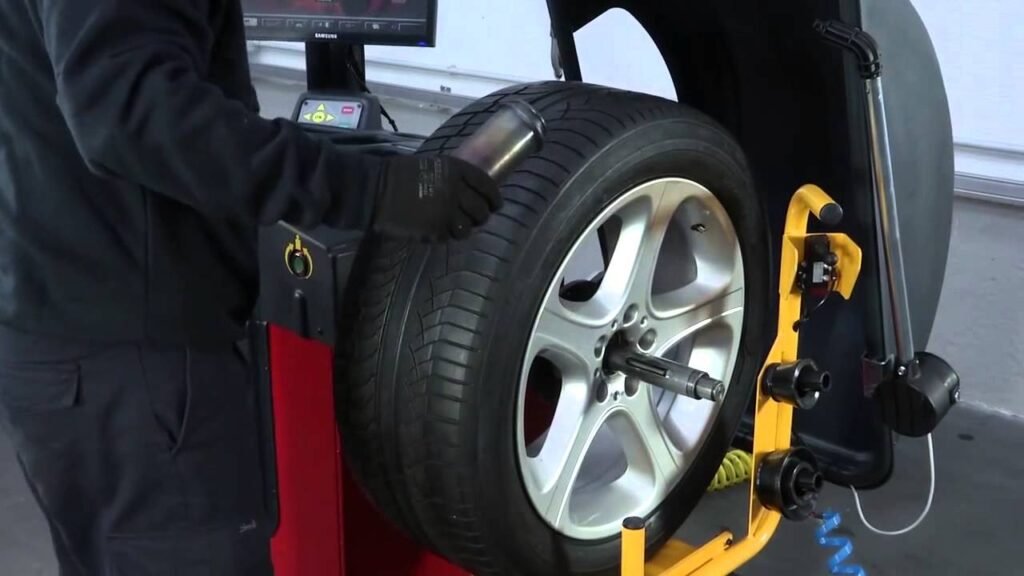
Wheel imbalance often shows up as vibration in the steering wheel, floor, or seats, especially at certain speeds. Even a small imbalance can disrupt the driving experience, making the ride feel rougher than it should. This is why wheel balancing is another simple but effective way to improve car ride quality.
During wheel balancing, a technician adjusts the weight distribution around each wheel and tire assembly to ensure even rotation. Properly balanced wheels reduce vibration, protect suspension parts, and help tires wear more evenly. If you notice shaking at highway speed, recent tire installation, or uneven comfort between smooth and rough roads, wheel balance should be checked. It is a low-cost service that can produce a clear improvement in daily driving.
10: Avoid Overloading Your Vehicle

Many drivers do not realize how much extra weight affects ride comfort. Carrying too many heavy items in the trunk or cabin places more stress on the suspension, tires, and brakes. An overloaded car often feels less composed, more sluggish, and harsher over bumps. Removing unnecessary weight is a practical way to improve car ride quality without spending much money.
Keep only essential tools and emergency items in the car. If you regularly transport heavy loads, make sure your tires are properly inflated and that your suspension parts are in good condition. Too much weight changes how the car absorbs impact and can make normal road imperfections feel more severe. A lighter vehicle generally feels more responsive and balanced, which improves both comfort and efficiency.
11: Drive More Smoothly And Choose Better Roads

Sometimes the most effective comfort upgrade is a change in driving style. Aggressive braking, sudden acceleration, and fast cornering all place extra stress on the vehicle and make the ride feel rougher. Smooth driving helps the suspension work as intended and allows the car to absorb road imperfections more naturally. If you want to improve the quality of your car rides, your driving habits matter just as much as mechanical upgrades.
Try to slow down before rough patches, avoid potholes when it’s safe to do so, and maintain steady control rather than making abrupt inputs. Route choice also matters. If one road is full of cracks and bumps while another is slightly longer but smoother, the better road may offer a much more comfortable experience. On zulqarnain.pro, topics like this can be especially useful for drivers who want practical ways to make everyday car ownership smarter and more enjoyable.
12: Do Not Ignore Regular Maintenance

Routine maintenance keeps your vehicle working as a complete system. Worn ball joints, old engine mounts, damaged control arms, and weak springs can all reduce comfort over time. Many ride quality problems build slowly, so drivers get used to them and assume the car is simply getting older. In reality, basic maintenance can restore much of the original comfort.
Have your vehicle inspected regularly by a trusted mechanic, especially if you notice new vibrations, steering changes, unusual noises, or a rougher ride than before. Preventive maintenance is one of the best long-term strategies to improve car ride quality because it addresses minor issues before they become costly repairs. A healthy car not only feels better on the road but also stays safer and more reliable.
Expert’s Opinion

A better driving experience does not always require a brand-new car or expensive modifications. In many cases, the key is paying attention to the parts and habits that shape comfort every day. Proper tire pressure, better tires, healthy suspension components, correct alignment, balanced wheels, quieter interiors, supportive seating, and smoother driving all contribute to a more refined ride. When combined, these changes can greatly improve car ride quality and make your vehicle feel more enjoyable on short trips and long drives alike.
If your goal is comfort, start with the basics before moving to advanced upgrades. Even one or two improvements can make a real difference. Over time, a thoughtful approach to maintenance and comfort-focused upgrades will improve car ride quality, protect your car from unnecessary strain, and turn ordinary travel into a much better experience.