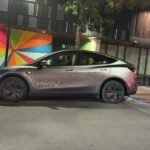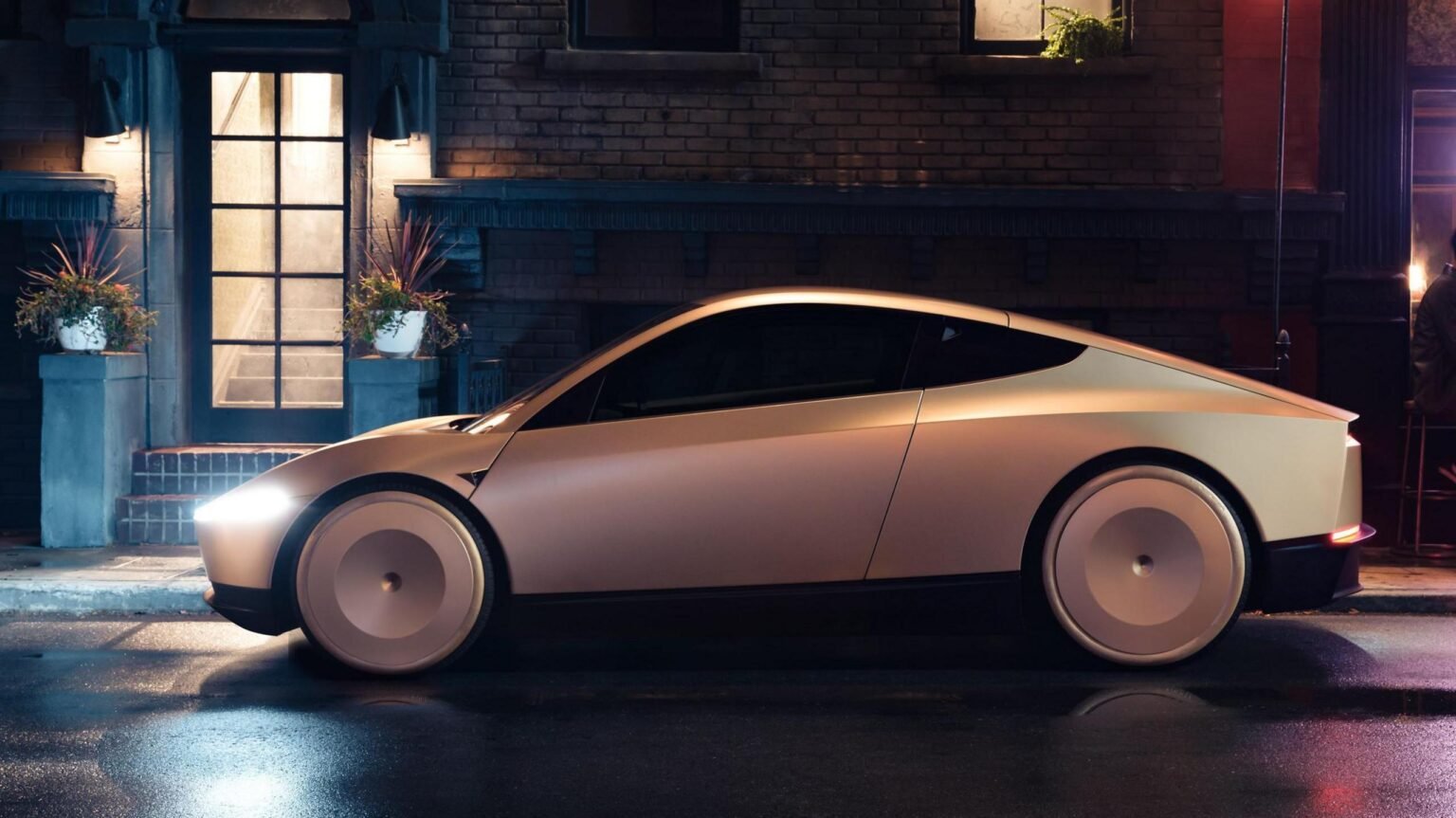

Tesla’s new Robotaxi service has been hitting headlines lately because of safety concerns and crash frequency. According to updated data submitted to the U.S. National Highway Traffic Safety Administration (NHTSA), Tesla reported five more accidents involving its autonomous Robotaxi vehicles in Austin, Texas, bringing the total number of crashes to 14 since the service launched in June 2025.
The numbers show that the Tesla Robotaxi crash rate is significantly higher than what normal human drivers experience, raising questions about the readiness of this self-driving service. This story has implications for Tesla’s autonomous future, safety regulations, and the broader market for Robotaxi services.
What Is the Tesla Robotaxi Crash Rate?
The latest report shows that Tesla’s robotaxi fleet in Austin has been involved in 14 recorded accidents over roughly 800,000 miles of travel. That works out to about one crash every 57,000 miles, a high rate compared with traditional driving.
According to Tesla’s own safety data, the average human driver experiences a minor collision about every 229,000 miles. Based on this comparison, the Tesla Robotaxi crash rate is nearly four times worse than humans when measured against the company’s own benchmarks.
This high crash rate has alarmed safety researchers and the public alike, especially since these miles included a trained safety monitor in the vehicle who could intervene in critical situations.
Details of the Latest Crashes
Among the five new crashes added in December and January, the incidents include:
- A collision with a fixed object while driving straight at 17 mph.
- A crash with a bus while parked.
- A minor impact with a heavy truck at 4 mph.
- Two backing crashes, including one into a pole or tree.
All of these crashes occurred with Tesla’s autonomous system actively engaged, and all had a trained safety monitor present. However, the full descriptions of these crashes are still redacted in the official reports, which makes it hard for outside experts to understand the reasons behind each incident fully.
Tesla’s Reporting and Transparency Issues
One troubling aspect of the data is the lack of open crash descriptions. Tesla has redacted the narrative details for all reported robotaxi crashes in the NHTSA database, labeling them as “confidential business information.”
This means independent researchers and the public are unable to see exactly what happened in each crash, which makes it harder to analyze whether the vehicle’s system was at fault or if external factors were involved. In contrast, other autonomous vehicle companies like Waymo and Zoox provide detailed incident reports.
Tesla Robotaxi Features and How They Affect Safety
The Tesla Robotaxi is a version of the company’s autonomous driving technology built into its vehicles, often based on the Model Y platform. Unlike a standard Tesla car with Full Self-Driving Beta, robotaxis are intended to operate without a human driver behind the wheel.
Some of the key features include:
- Full autonomous driving software that is supposed to guide the vehicle without active steering.
- Safety monitors in early deployments, who were present to intervene in emergencies.
- Remote and real-time monitoring, in some cases, depending on the region and deployment.
However, the rollout has faced setbacks. In January 2026, Tesla began offering unsupervised rides without a safety monitor in some Robotaxi vehicles in Austin, a milestone that came even as the crash rate remained high.
Why the Crash Rate Matters
The Tesla Robotaxi crash rate is important for several reasons:
- Public Safety: High crash rates can reduce public confidence in autonomous vehicles and raise concerns about passenger and pedestrian safety.
- Regulatory Scrutiny: Authorities may impose new rules or require additional testing before broader deployment.
- Market Competition: Rivals like Waymo and Cruise have emphasized safety and transparency in their autonomous services.
- Investor Confidence: News of crashes and reporting issues could influence Tesla’s stock and long-term strategy — something covered in depth on sites like Zulqarnain.pro in recent tech safety discussions.
Can Autonomous Technology Improve the Robotaxi Crash Rate?
Tesla continues to update its self-driving software and hardware. The company frequently releases improvements to the Full Self-Driving system, aiming to reduce errors and improve obstacle detection.
Some analysts suggest that hardware upgrades, such as better sensors or computing systems, could help reduce the crash rate over time. Other experts argue that improved transparency and clearer reporting would help engineers and regulators understand and fix systemic problems.
However, until the Tesla Robotaxi crash rate approaches or beats real human driving statistics, skepticism will remain strong.
Robotaxi Safety Under Spotlight
Tesla’s autonomous robotaxi service has attracted both excitement and criticism. While fully autonomous rides represent the future of transportation, the latest crash data and a high robotaxi crash rate raise concerns about whether this technology is ready for widespread use.
As reports continue to come in and as companies like Tesla refine their systems, public interest and regulatory oversight are likely to grow. This ongoing story will be critical for the future of autonomous vehicles and modern mobility.
If you want more updates on Tesla and autonomous vehicles, check comprehensive reviews and analysis at Zulqarnain.pro, where we cover the latest trends in technology and safety.