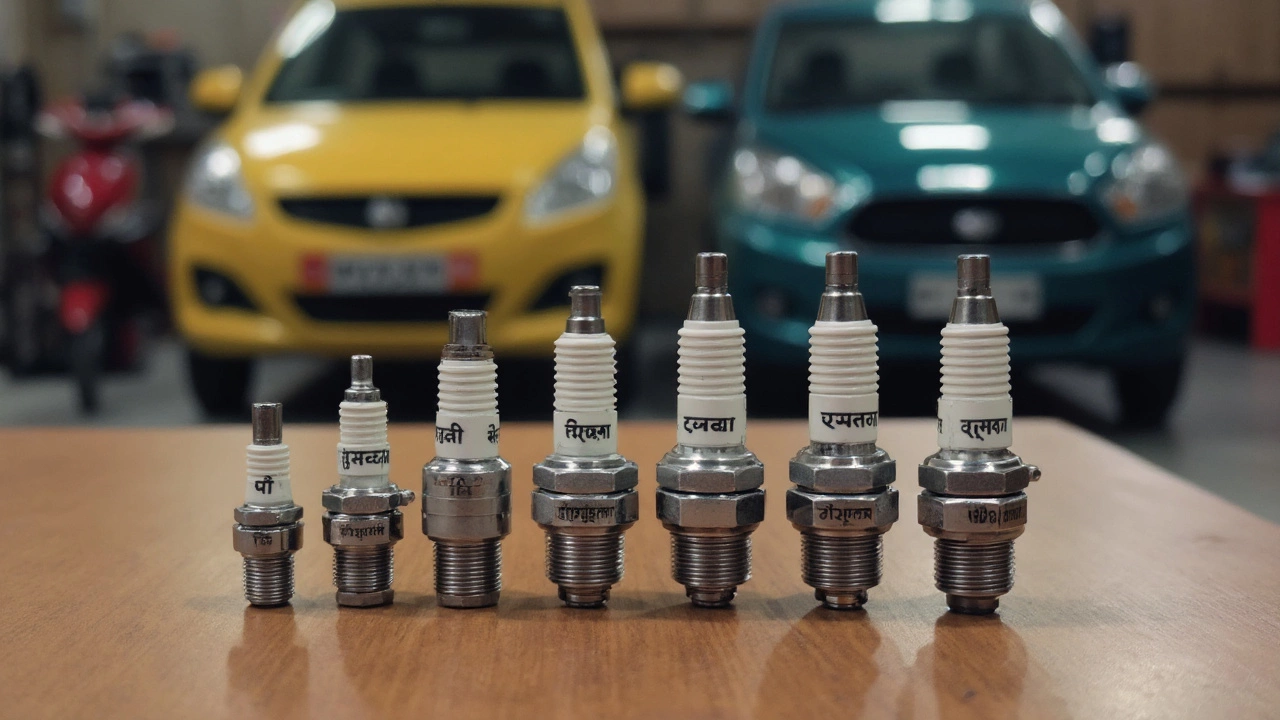

Spark plugs are small but extremely important components inside a gasoline engine. They create the spark that ignites the air-fuel mixture in the combustion chamber, allowing the engine to produce power and keep the vehicle running smoothly. Because they operate under intense heat and pressure thousands of times per minute, Spark Plug Lifespan eventually wear out and need to be replaced.
- What Is a Spark Plug and Why Is It Important?
- Average Spark Plug Lifespan
- Spark Plug Lifespan by Type
- Factors That Affect Spark Plug Lifespan
- Signs Your Spark Plugs Need Replacement
- 1. Engine Misfires
- 2. Rough Idling
- 3. Difficulty Starting the Engine
- 4. Reduced Fuel Efficiency
- 5. Check Engine Light
- How Often Should You Replace Spark Plugs?
- Tips to Extend Spark Plug Lifespan
- Use High-Quality Fuel
- Follow Maintenance Schedules
- Avoid Aggressive Driving
- Inspect Spark Plugs Regularly
- Replace Ignition Components When Needed
- Why Replacing Spark Plugs on Time Matters
- Expert’s Opinion About Spark Plug Lifespan
One of the most common questions among vehicle owners is about Spark Plug Lifespan: how long these parts actually last, and when they should be replaced. The answer is not always simple, as it depends on several factors, such as the type of spark plug, driving conditions, and vehicle maintenance habits.
In this detailed guide by Zulqarnain.pro, we will explore the average Spark Plug Lifespan, how different materials affect durability, warning signs of worn plugs, and tips to help them last longer.
What Is a Spark Plug and Why Is It Important?
A spark plug is a small device that sits at the top of each cylinder in a gasoline engine. It receives electrical voltage from the ignition system and generates a spark that ignites the air-fuel mixture inside the cylinder. This tiny spark triggers a controlled explosion that pushes the piston down and powers the engine.
Even though spark plugs are small and inexpensive compared to other engine parts, they play a major role in vehicle performance. When they are functioning properly, the engine starts easily, the fuel burns efficiently, and the car runs smoothly.
However, as spark plugs age, the electrodes begin to wear out or become coated with deposits. This reduces their ability to create a strong spark, leading to engine misfires, reduced fuel efficiency, and poor performance.
Understanding Spark Plug Lifespan helps drivers maintain their vehicles properly and avoid costly engine problems.
Average Spark Plug Lifespan
The typical Spark Plug Lifespan varies widely depending on the material used and the vehicle’s operating conditions. In general, spark plugs can last anywhere from 20,000 miles to over 100,000 miles.
Here is a general overview:
Spark Plug Type Average Lifespan
Copper Spark Plugs 20,000 – 40,000 miles
Platinum Spark Plugs 50,000 – 100,000 miles
Iridium Spark Plugs 60,000 – 120,000 miles
Copper plugs usually wear out faster because their electrodes erode more quickly. Platinum and iridium plugs are more durable and can last significantly longer. Therefore, when discussing Spark Plug Lifespan, it is important to consider which type of spark plug your vehicle uses.
Spark Plug Lifespan by Type
1. Copper Spark Plugs
Copper spark plugs are among the oldest and most affordable types. They offer excellent electrical conductivity, which can help improve ignition performance in certain engines.
However, copper electrodes wear out faster than those made of other materials. Most copper plugs last 10,000 to 30,000 miles before they need replacement.
Because of their shorter Spark Plug Lifespan, they are often used in older vehicles or high-performance engines where frequent maintenance is expected.
2. Platinum Spark Plugs
Platinum spark plugs are more durable than copper plugs. The platinum tip resists corrosion and high temperatures, allowing it to last much longer. Typical platinum spark plug replacement intervals range from 50,000 to 100,000 miles.
Many modern cars use platinum plugs because they provide a good balance between durability and performance.
3. Iridium Spark Plugs
Iridium spark plugs are considered the longest-lasting option. Iridium is extremely hard and heat-resistant, which helps maintain electrode shape and performance over time. These plugs can last 80,000 to 120,000 miles or even more under ideal conditions.
Because of their long Spark Plug Lifespan, iridium plugs are widely used in modern vehicles and high-efficiency engines.
Factors That Affect Spark Plug Lifespan
Even though manufacturers provide estimated mileage ranges, several factors can influence actual Spark Plug Lifespan.
1. Driving Habits
Aggressive acceleration, frequent short trips, and heavy towing can accelerate spark plug wear. Engines that operate at high temperatures and pressures put more stress on spark plugs.
2. Engine Condition
If an engine burns oil or runs with a rich fuel mixture, carbon deposits may build up on the spark plug electrodes. These deposits reduce ignition efficiency and shorten Spark Plug Lifespan.
3. Fuel Quality
Poor-quality fuel can cause contamination and buildup on spark plugs, leading to premature wear.
4. Vehicle Maintenance
Regular maintenance, including oil changes and air filter replacements, helps keep the combustion process clean and extends the Lifespan of the Spark Plugs.
5. Driving Environment
Vehicles operating in extremely hot or cold climates may experience faster spark plug wear due to thermal stress.
Signs Your Spark Plugs Need Replacement
Recognizing early warning signs of worn spark plugs can prevent engine damage and improve performance. Some common symptoms include:
1. Engine Misfires
If the engine hesitates or misfires during acceleration, worn spark plugs may be failing to ignite the fuel properly.
2. Rough Idling
A vehicle with worn plugs may shake or vibrate while idling.
3. Difficulty Starting the Engine
Old spark plugs can struggle to produce a strong spark, making it harder to start the engine.
4. Reduced Fuel Efficiency
When spark plugs fail to ignite fuel efficiently, the engine burns more fuel than necessary.
5. Check Engine Light
In modern vehicles, a faulty spark plug can trigger the check engine light due to misfires detected by sensors.
All these issues are strong indicators that your Spark Plug Lifespan is reaching its limit.
How Often Should You Replace Spark Plugs?
Automakers typically recommend spark plug replacement based on mileage intervals listed in the vehicle’s owner manual. Many modern vehicles recommend replacement between 60,000 and 100,000 miles, depending on the plug type and engine design.
However, even if your spark plugs are rated for a long Spark Plug Lifespan, it is wise to inspect them regularly. Mechanics often check them during routine service or tune-ups.
Tips to Extend Spark Plug Lifespan
If you want to get the most out of your spark plugs, consider the following maintenance tips:
Use High-Quality Fuel
Better fuel quality reduces carbon deposits and helps maintain a longer Spark Plug Lifespan.
Follow Maintenance Schedules
Routine maintenance, such as oil changes, air filter replacements, and fuel system cleaning, helps keep spark plugs functioning efficiently.
Avoid Aggressive Driving
Smooth driving reduces engine stress and extends spark plug durability.
Inspect Spark Plugs Regularly
Periodic inspections can detect wear early and prevent major engine problems.
Replace Ignition Components When Needed
Faulty ignition coils or wires can shorten the Spark Plug Lifespan by causing inconsistent spark delivery.
Why Replacing Spark Plugs on Time Matters
Ignoring worn spark plugs can lead to several problems, including:
- Poor engine performance
- Reduced fuel economy
- Increased emissions
- Potential damage to the catalytic converter
Replacing spark plugs at the right time ensures the engine operates efficiently and prevents expensive repairs.
Expert’s Opinion About Spark Plug Lifespan
Understanding Spark Plug Lifespan is essential for proper vehicle maintenance. Although the exact lifespan varies by type, most spark plugs last between 20,000 and 120,000 miles, depending on their material and driving conditions.
Copper plugs typically require more frequent replacement, while platinum and iridium plugs offer longer durability. Regular maintenance, quality fuel, and proper driving habits can significantly extend the life of your spark plugs.
If your car shows signs like misfires, poor fuel efficiency, or rough idling, it may be time to inspect or replace your spark plugs. Staying proactive with maintenance ensures your engine runs smoothly and efficiently for years.
For more automotive guides and maintenance tips like this, keep visiting zulqarnain.pro, where we share practical insights to help drivers better understand and care for their vehicles.