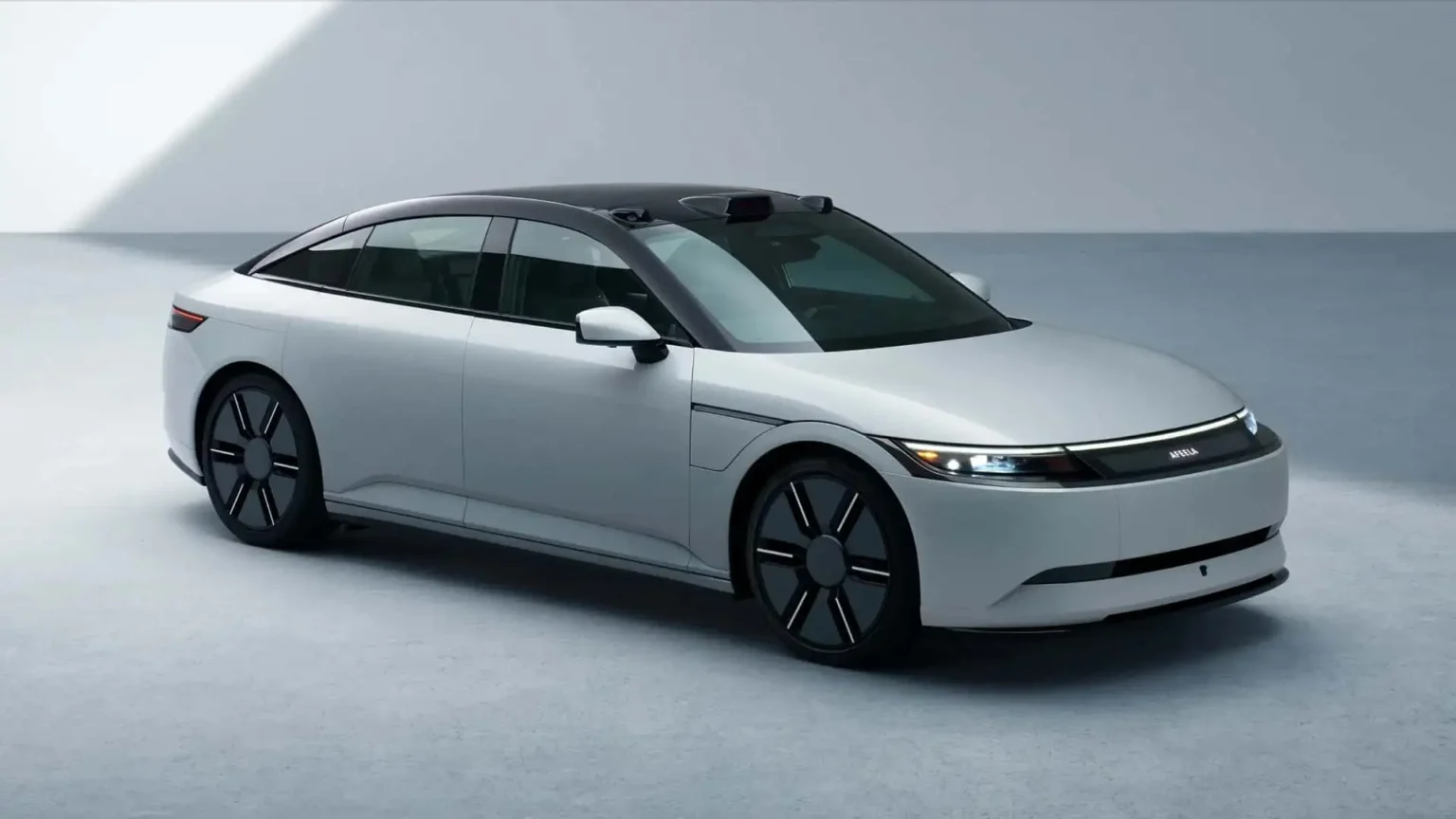

The latest update from TDS (The Downshift) has sent shockwaves across the automotive industry, as Sony Electric Car ambitions have come to an abrupt halt following a major strategic shift by Honda’s EV division. What was once considered a promising collaboration between two global giants has now ended, highlighting the rapidly changing dynamics of the electric vehicle market.
According to TDS, Sony Honda Mobility has officially cancelled its much-anticipated Afeela project. The decision came shortly after Honda discontinued its EV program, particularly its 0 Series electric vehicles. Since Sony Electric Car, the Afeela 1 sedan, was built on a shared platform with Honda’s EV architecture, the cancellation of Honda’s internal plans effectively sealed the joint venture’s fate. This marks a significant turning point in the journey of Sony Electric Car, which began with high expectations and global attention.
The origins of Sony Electric Car date back to 2020, when Sony unveiled its Vision-S concept at CES, signaling its interest in entering the electric mobility space. The project gained further momentum when Honda partnered with Sony to create Sony Honda Mobility, combining automotive engineering with advanced technology.
However, as TDS highlighted, shifting priorities within Honda’s EV roadmap disrupted the foundation of this partnership, ultimately forcing Sony to withdraw from the project.
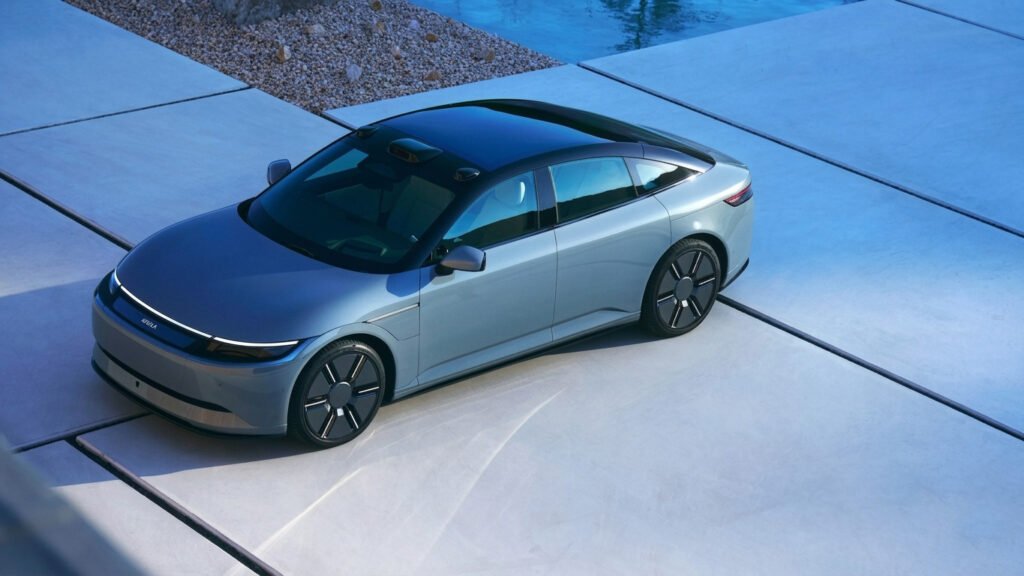
Industry analysts believe that the downfall of Sony Electric Car reflects broader uncertainties in the EV sector. Automakers are increasingly reevaluating investments, focusing on profitability, scalability, and evolving consumer demand. The cancellation also underscores how dependent joint ventures can be on shared platforms and long-term strategic alignment. In this case, Honda’s EV restructuring directly impacted Sony ability to move forward.
Despite the setback, Sony Honda Mobility has assured customers that all reservations for Sony Electric Car will be fully refunded, maintaining transparency and trust with early adopters. Meanwhile, TDS continues to emphasize that such developments are not uncommon in a rapidly evolving industry where innovation often comes with risks.
Beyond the news surrounding Sony Electric Car, TDS also reported several other major automotive updates. Toyota has announced a recall of nearly 145,000 Lexus vehicles due to rearview camera failures that may occur during reverse. Similarly, Ford is recalling around 255,000 SUVs due to image processing module faults that could affect backup cameras and advanced driver assistance systems. These recalls highlight ongoing challenges in integrating complex digital systems into modern vehicles.
In another development, Stellantis has reaffirmed its commitment to the Chrysler brand despite recent leadership changes, suggesting that innovation and redesign efforts are underway.
Meanwhile, Ford’s expansion into Australia with the F-150 has faced early quality-control issues, though the company claims improvements are underway. Mercedes-Maybach has also teased a new ultra-luxury van, the VLS, described as a “grand limousine,” showcasing the industry’s continued push toward premium innovation.
The cancellation of Sony Electric Car serves as a reminder that the EV market remains highly competitive and unpredictable. As reported by TDS, even well-funded and high-profile collaborations can falter when strategic priorities shift. For readers following developments on zulqarnain.pro, this story reflects a broader trend where adaptability and long-term planning are crucial for success in the electric mobility space.
Sony Electric Car
Ultimately, while Sony Electric Car may not reach production, its journey has contributed valuable insights into the intersection of technology and automotive design. With companies like Honda’s EV division recalibrating their strategies, the future of Electric Vehicles will likely be shaped by more focused investments and carefully aligned partnerships.