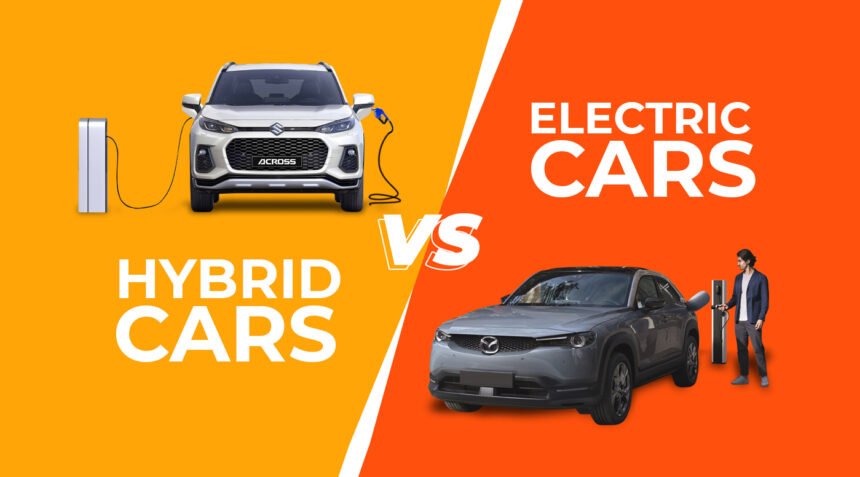
Many drivers today want to save money on fuel and help the planet, so they search for the difference between a hybrid and an electric car. Both types use electricity, but they work in very different ways. Understanding the difference between a hybrid and electric car will help you pick the right vehicle for your daily life, budget, and driving style. This guide explains everything in simple terms so you can make an easy decision.
What is a Hybrid Car?
A hybrid car has two power sources: a normal gasoline engine and a small electric motor. The car can run on gasoline, electricity, or both. The battery in a regular hybrid recharges itself while you drive using the engine and brakes. You never need to plug it in.
Plug-in hybrids (PHEVs) are a special type. They have a larger battery and can be charged at home like an electric car, but they still have a gasoline engine for long trips. This is one key part of the difference between a hybrid and an electric car– hybrids always have a gas engine as backup.
What is an Electric Car?
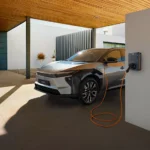
An electric car (also called EV or battery electric vehicle) has only an electric motor and a large battery. There is no gasoline engine at all. You charge the battery by plugging it into a wall outlet, home charger, or public charging station. When the battery runs low, you must recharge it there is no gas tank to fill.
Electric cars are completely silent and produce zero tailpipe emissions. This clean operation is another major difference between a hybrid and an electric car.
The Main Difference Between a Hybrid and an Electric Car
The biggest difference between a hybrid and an electric car is the power source. A hybrid always uses gasoline plus electricity. The gasoline engine does most of the work on highways, while the electric motor helps in city driving and saves fuel.
An electric car uses 100 % electricity from its battery. There is no gasoline engine, so the driving feel is smooth and instant. When you press the accelerator, power comes immediately – no waiting like in a gasoline or hybrid car. This instant power is one reason many people notice the difference between a hybrid and an electric car the first time they test-drive both.
Fuel, Charging, and Refueling
With a hybrid, you stop at a normal gas station just like any other car. You can drive hundreds of kilometers without worry. Plug-in hybrids can go 30–80 km on electricity before switching to gasoline.
Electric cars need to be charged. Home charging overnight is the cheapest and easiest option. Public fast chargers can add 80 % charge in 20–40 minutes. This is a major difference between a hybrid and an electric car: hybrids refuel in 5 minutes, while electric cars take longer to charge but cost much less per kilometer to run.
Environmental Impact
When you study the differences between a hybrid and an electric car, the environment is a major factor. Hybrids produce less pollution than normal gasoline cars because they use less fuel. However, they still release some exhaust gases.
Electric cars make zero emissions while driving. If the electricity comes from solar, wind, or hydro power, the whole car is almost zero-emission. Even with regular grid electricity, most studies show that electric cars produce less pollution over their lifetimes than hybrids. This clean advantage is a clear difference between a hybrid and electric car that matters to many families today.
Driving Range and Daily Use
Hybrids usually give 700–1,000 km on a full tank of gas and a full battery. You never have “Range Anxiety.”
Most electric cars today give 300–500 km per charge, and some new 2026 models reach 600+ km. For city driving and daily commutes under 300 km, electric cars are perfect. For very long highway trips every week, hybrids still feel more convenient. This practical difference between a hybrid and electric car helps you match the car to your real driving habits.
Buying Cost and Running Cost
Electric cars usually cost more to buy than hybrids because of their larger batteries. However, in 2026, many governments still give tax rebates and incentives that bring the price down.
Running cost is where electric cars win big. Electricity is much cheaper than gasoline, and electric cars require less maintenance (no oil changes, fewer brake jobs due to regenerative braking). Over 5–7 years, most owners save thousands of dollars with an electric car. This long-term savings is an important difference between a hybrid and an electric car that many people forget at first.
Performance and Driving Experience
Electric cars feel faster and smoother. They deliver full power from 0 km/h, making overtaking easy and fun. Hybrids feel more like normal cars but are still quieter and more efficient than pure gasoline vehicles.
Both types are very quiet inside the cabin. Many drivers say the calm, vibration-free ride of an electric car is one of the nicest parts of the difference between a hybrid and electric car.
Maintenance and Reliability
Hybrids have both an engine and electric components so that they may need more repairs over time than a pure electric car. Electric cars have fewer moving parts no exhaust system, no spark plugs, no transmission fluid in most models. This simplicity makes electric cars cheaper and easier to maintain. Another practical difference between a hybrid and an electric car is that it affects your wallet for years.
Which One Should You Choose?
If you drive mostly in the city, want zero emissions, and have a place to charge at home or work, choose an electric car.
If you often take long trips, live in a cold area where batteries lose range, or do not have easy access to charging, a hybrid (especially a plug-in) may suit you better. Test drive both types. Many people are surprised by how big the real-world difference between a hybrid and electric car feels once they sit behind the wheel.
The difference between a hybrid and electric car
The difference between a hybrid and electric car comes down to power source, refueling, cost, range, and environmental impact. Both are far better for the planet and your pocket than old gasoline cars. Electric cars are winning for daily driving and future tech, while hybrids offer worry-free long-distance travel right now.
Whatever you choose, you will enjoy lower fuel bills and a quieter ride. For more helpful car guides and latest 2026 updates, visit zulqarnain.pro at https://zulqarnain.pro – your trusted source for simple, honest automotive advice.
Drive smart and choose the car that matches your life!