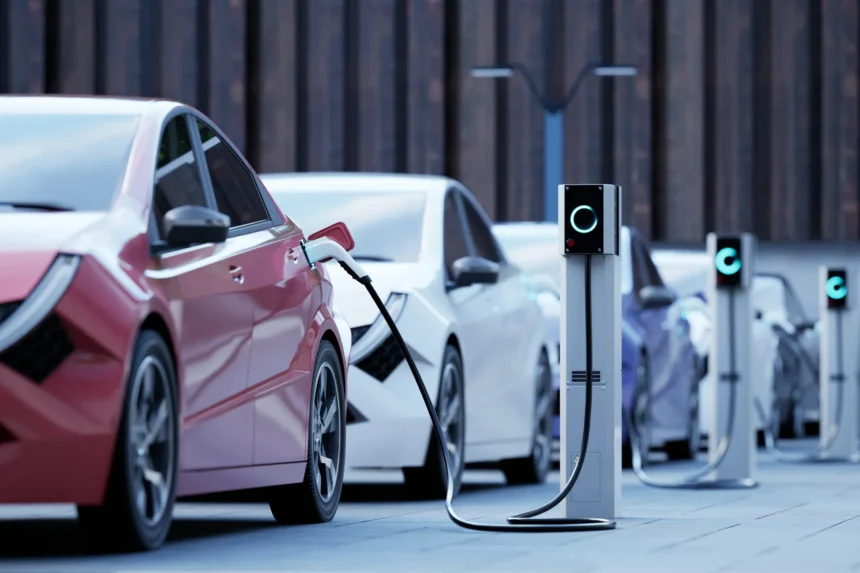
Electric Market Trends are redefining how power is generated, distributed, and consumed worldwide, marking a pivotal shift toward a more dynamic and sustainable energy landscape. As we move through 2026, these developments reflect accelerating electrification across industries, transportation, and daily life, coupled with technological advancements that promise greater efficiency and lower emissions.
Understanding these Electric Market Trends helps businesses, policymakers, and consumers navigate the opportunities and challenges ahead, ensuring they capitalize on innovations while addressing reliability and affordability concerns. The global energy industry stands at a crossroads where electricity demand outpaces traditional growth patterns, driven by emerging technologies and climate imperatives, making awareness of Electric Market Trends essential for strategic planning.
Understanding the Core Drivers of Electric Market Trends
At the heart of today’s energy transformation lies a combination of economic, technological, and environmental forces that propel Electric Market Trends forward. Rapid urbanization, industrial expansion, and the push for decarbonization create an environment where electricity becomes the backbone of modern economies.
For instance, sectors once reliant on fossil fuels are increasingly turning to electric alternatives, boosting overall consumption in ways not seen for decades. These Electric Market Trends gain momentum from the integration of artificial intelligence and data analytics, which optimize energy flows and predict usage patterns with remarkable accuracy.
Policymakers and industry leaders recognize that ignoring these shifts could lead to supply shortages or higher costs, so investments in infrastructure now prioritize adaptability. Helpful insights reveal that regions embracing early adoption of clean technologies enjoy competitive advantages, such as job creation in manufacturing and services tied to green energy.
By focusing on these foundational drivers, stakeholders can align their operations with broader Electric Market Trends, fostering resilience in an era of rapid change. This comprehensive approach not only reduces environmental impact but also stabilizes pricing for end users, demonstrating the practical value of staying informed about evolving power market patterns.
The Explosive Growth in Global Electricity Demand
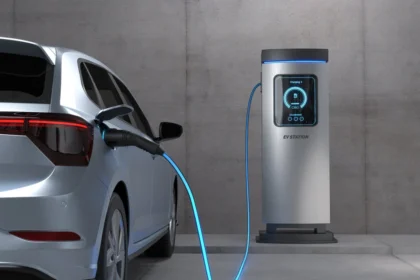
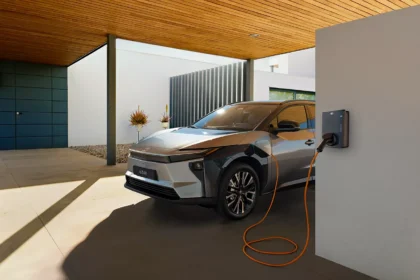
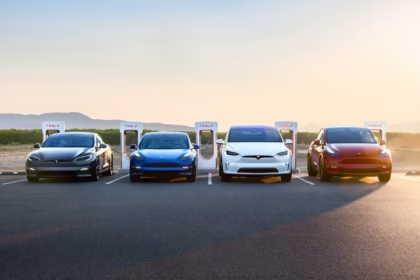
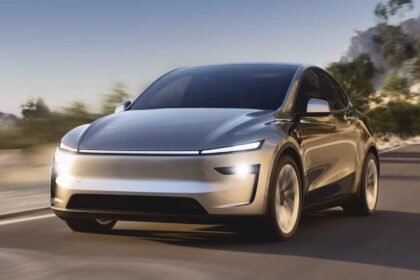
One of the most striking Electric Market Trends in 2026 involves the sharp rise in worldwide electricity consumption, projected to average 3.6 percent annual growth through 2030 according to the International Energy Agency’s Electricity 2026 report. This pace is roughly 50 percent faster than the average over the previous decade, fueled by electrification in industry, electric vehicles, (like Tesla, BYD) air conditioning, and data centers.
Emerging economies account for about 80 percent of the additional demand, with China alone contributing nearly half the global increase through robust industrial activity and cooling needs.
In advanced economies, demand that stagnated for 15 years is now accelerating, with the United States seeing around 2 percent yearly growth, half of which stems from data center expansion linked to AI applications.
The European Union anticipates similar rebounds under a moderate industrial recovery, while countries like India and those in Southeast Asia experience surges driven by economic development and rising living standards. These Electric Market Trends highlight how new loads, such as hyperscale computing facilities, reshape traditional load curves, requiring utilities to rethink capacity planning.
For businesses, this growth presents both risks and rewards; proactive investment in energy-efficient technologies can mitigate rising bills while supporting sustainability goals. Consumers benefit from greater awareness, as understanding demand drivers encourages smarter usage habits, like shifting high-consumption activities to off-peak hours. Overall, these Electric Market Trends underscore electricity’s role as a key enabler of economic progress, outpacing overall energy demand by 2.5 times and signaling the dawn of what experts call the Age of Electricity.
Renewables Leading the Charge in Electric Market Trends
Renewable sources now dominate discussions around Electric Market Trends, with generation expected to grow by about 1,000 terawatt-hours annually through 2030 at an 8 percent yearly rate. Solar photovoltaic technology alone accounts for over 600 terawatt-hours of that expansion, helping renewables virtually match, and then overtake, coal in global output. By 2030, renewables combined with nuclear power will supply roughly 50 percent of electricity worldwide, up from 42 percent today, illustrating a profound shift in the energy mix.
This momentum stems from record deployments of wind and solar, supported by falling costs and favorable policies in key markets. In the United States, solar leads capacity additions with nearly 70 gigawatts expected in the coming years, while Europe and Asia accelerate installations to meet decarbonization targets. These Electric Market Trends not only curb emissions, keeping them roughly flat through 2030 despite demand growth, but also enhance energy security by diversifying supply away from volatile fossil fuels.
In practice, developers and investors benefit from hybrid projects that pair renewables with other technologies to ensure more reliable power delivery. For everyday users, this translates to more accessible clean energy options, such as community solar programs or rooftop installations that lower household expenses over time. Staying attuned to these Electric Market Trends empowers organizations to integrate renewables into supply chains, reducing carbon footprints and aligning with global sustainability standards that increasingly influence consumer preferences and regulatory compliance.
The Critical Role of Energy Storage and Flexibility
Energy storage emerges as a cornerstone of modern Electric Market Trends, addressing the intermittency of renewables while enabling responsive power systems. Utility-scale battery deployments are accelerating rapidly, with costs continuing to decline and installations surging in markets such as California, Texas, and Germany. Flexibility solutions, including demand response programs, allow grids to balance variable supply and concentrated loads from electric vehicles or data centers, preventing curtailment and blackouts.
The IEA emphasizes that without substantial upgrades, grids risk congestion as over 2,500 gigawatts of projects sit in interconnection queues. Non-firm connections and technological enhancements, such as dynamic line rating, could unlock 1,200 to 1,600 gigawatts of additional hosting capacity, proving vital for scaling clean energy. These Electric Market Trends encourage innovative business models in which storage operators arbitrage prices or provide ancillary services to utilities, creating revenue streams beyond simple generation.
On a consumer level, distributed storage options like home batteries paired with solar panels offer backup power and bill savings, particularly during peak pricing periods. Industries benefit by incorporating flexibility into operations, smoothing demand profiles to avoid penalties and support grid stability. By prioritizing these elements within Electric Market Trends, the energy sector builds resilience against extreme weather and cyber threats, ensuring reliable service even as demand evolves.
Digital Transformation and Smart Grids in Electric Market Trends
Digital technologies and smart grids represent another transformative facet of Electric Market Trends, leveraging artificial intelligence, Internet of Things devices, and advanced analytics to optimize operations. Real-time monitoring and predictive maintenance reduce downtime, while AI-driven forecasting can improve renewable energy output by up to 20 percent in some cases. Smart infrastructure enables seamless integration of distributed energy resources, turning consumers into active participants through vehicle-to-grid capabilities and automated demand management.
These Electric Market Trends facilitate faster response to fluctuating conditions, enhancing overall system efficiency and lowering operational costs for utilities. In regions with aging grids, modernization investments projected to reach USD 600 billion annually by 2030 become critical to accommodate new loads and variable generation. Helpful strategies include adopting digital twins for simulation and scenario planning, allowing planners to test upgrades virtually before physical implementation.
For businesses, embracing these tools means better energy procurement and compliance with evolving standards. Households gain from smart meters that provide usage insights, empowering informed decisions that cut waste. Ultimately, digital advancements in Electric Market Trends bridge the gap between supply and demand, creating a more intelligent, user-centric power ecosystem.
Policy Shifts and Their Impact on Electric Market Trends
Regulatory frameworks continue to shape Electric Market Trends, with recent changes influencing deployment timelines and supply chains. In the United States, adjustments to tax credits and foreign entity restrictions prompt developers to accelerate safe-harbor projects, while state-level renewable portfolio standards sustain momentum in supportive areas. Globally, policies emphasize execution over ambition, focusing on affordability, grid reliability, and competitive industrial advantages through clean power.
These Electric Market Trends highlight the need for agility, as compressed qualification windows and sourcing rules introduce risks but also clarity for long-term planning. Opportunities arise in markets offering incentives for storage and hybrids, where data center demand drives premium pricing for reliable, clean energy. Strategic recommendations involve diversifying suppliers, investing domestically, and leveraging mergers for scale, all of which strengthen resilience amid policy flux.
By monitoring these developments, stakeholders position themselves to gain advantage, turning regulatory evolution into a catalyst for innovation rather than an obstacle. This adaptive mindset ensures that Electric Market Trends translate into tangible benefits, such as job growth and economic competitiveness.
Challenges Facing the Energy Industry Amid Evolving Electric Market Trends
Despite positive momentum, several hurdles accompany these Electric Market Trends, including interconnection delays, supply chain dependencies, and affordability pressures. Household electricity prices have risen faster than incomes in many places, with network charges and taxes playing significant roles, potentially slowing electrification if unaddressed. Reliability concerns from aging infrastructure and extreme weather events further complicate integration efforts, underscoring the urgency of targeted investments.
Emerging economies face capital constraints even as demand soars, while advanced markets grapple with workforce shortages for complex projects. These Electric Market Trends demand collaborative solutions, such as public-private partnerships and streamlined permitting, to unlock stalled capacity and scale flexibility resources effectively.
Helpful guidance for overcoming challenges includes scenario-based planning and diversified revenue models that buffer against market volatility. By acknowledging these realities, the industry can mitigate risks and accelerate progress toward a balanced, low-carbon future.
Future Outlook and Strategic Recommendations
Looking ahead, Electric Market Trends point to continued dominance of low-emissions sources, with renewables, natural gas, and nuclear meeting all incremental demand through 2030 while coal output stabilizes or declines modestly.
Carbon intensity will fall further, supporting global climate objectives without sacrificing growth. Strategic recommendations focus on front-loading investments in storage and grids, harnessing AI for efficiency, and fostering international cooperation on technology transfer.
Organizations that embed flexibility and digital tools into core strategies will thrive, while consumers benefit from expanded access to affordable clean power. These Electric Market Trends ultimately promise a more secure, sustainable energy system that powers innovation across sectors.
In conclusion, the evolving Electric Market Trends offer a roadmap for a resilient energy future, blending technological prowess with thoughtful policy and investment. For more detailed analysis on these Electric Market Trends and their implications, visit zulqarnain.pro for expert resources and updates tailored to industry needs. Staying proactive ensures you not only adapt but lead in this transformative era.