The global energy landscape stands at a pivotal crossroads, where traditional systems rooted in fossil fuels are giving way to more dynamic, efficient, and sustainable frameworks. At the heart of this shift lies the Electric Market, a competitive arena that facilitates the buying, selling, and distribution of electricity across interconnected networks.
By fostering competition among producers and enabling innovative pricing mechanisms, the Electric Market has emerged as a powerful catalyst for change, driving down costs while accelerating the adoption of cleaner technologies.
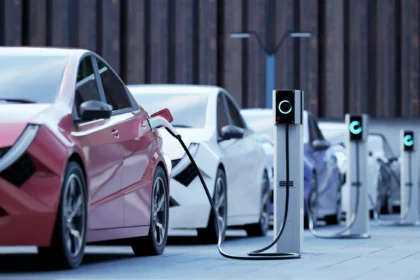
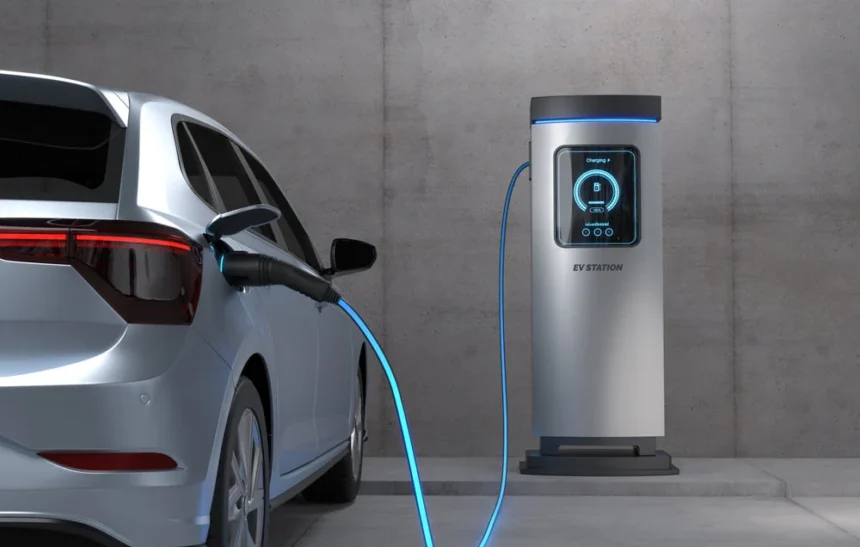
This transformation is not merely technical; it touches every aspect of modern society, from powering industries and homes to supporting Electric Vehicles like Tesla/BYD and data centers amid surging demand. As electricity consumption grows faster than overall energy use, the Electric Market plays a central role in ensuring reliable supply, reducing emissions, and enhancing energy security worldwide.
Understanding the foundations of this evolution provides essential context for grasping its broader implications. Historically, electricity systems operated under monopolistic structures, often state-controlled, which prioritized stability over efficiency or innovation. The liberalization of these systems introduced wholesale and retail competition, allowing independent generators to enter the fray and trade power in real time.
Today, the Electric Market encompasses day-ahead auctions, real-time balancing, and capacity mechanisms that reward flexibility. These elements create price signals that guide investment decisions, encouraging participants to optimize resources rather than rely on outdated subsidies.
In essence, the Electric Market transforms electricity, a commodity produced in isolation, into a tradable asset responsive to supply, demand, and environmental factors. This shift has proven instrumental in integrating variable resources while maintaining grid reliability, setting the stage for profound global energy changes.
One of the most visible ways the Electric Market drives transformation appears in the seamless integration of renewable energy sources. Solar photovoltaic and wind power, once marginal players, now dominate new capacity additions thanks to competitive bidding processes within the Electric Market. Auctions and power purchase agreements allow renewables to secure long-term contracts at record-low prices, outcompeting traditional fuels in many regions.
For instance, massive deployments in leading markets have pushed solar and wind to contribute significantly to electricity mixes, with low-carbon sources recently surpassing 40 percent of global generation in key periods. The Electric Market rewards this growth by valuing zero-marginal-cost production during peak sunlight or wind hours, thereby depressing wholesale prices and displacing higher-cost fossil plants.
However, this intermittency demands sophisticated balancing tools, such as demand response and virtual power plants, all coordinated through market platforms. As a result, the Electric Market not only accelerates renewable rollout but also incentivizes complementary technologies that stabilize the grid, marking a departure from carbon-intensive past practices.
Technological innovations further amplify the transformative power of the Electric Market. Smart grids represent a cornerstone advancement, equipped with sensors, automation, and real-time data analytics that enable two-way communication between utilities and consumers. These intelligent networks optimize power flows, predict outages, and integrate distributed resources, such as rooftop solar and home batteries, into the broader system.
Investments in grid modernization have surged, reflecting the Electric Market’s need for flexibility amid rising electrification from AI-driven data centers and electric transport. Battery storage, paired with market mechanisms that reward peak-shaving services, addresses the timing mismatch between renewable generation and demand.
Artificial intelligence algorithms now forecast weather patterns and consumption spikes with remarkable accuracy, allowing traders in the Electric Market to adjust bids dynamically and prevent imbalances. Blockchain applications even facilitate peer-to-peer energy trading, empowering prosumer households that both produce and consume power to participate directly. Collectively, these innovations make the Electric Market more resilient and efficient, turning potential vulnerabilities into opportunities for decentralized, low-carbon energy delivery.
The economic and environmental benefits stemming from the Electric Market underscore its role as a global game-changer. On the economic front, competition has driven operational efficiencies, lowering generation costs and passing the savings to end users in liberalized regions. Billions flow into clean infrastructure annually, with clean energy investments far outpacing fossil fuel allocations in recent projections. This capital influx creates jobs in manufacturing, installation, and digital services while stimulating related sectors such as electric vehicle charging networks.
Environmentally, the Electric Market accelerates decarbonization by prioritizing low-emission sources through carbon pricing or renewable portfolio standards embedded in market rules. Reduced reliance on coal and gas diminishes air pollution and greenhouse gas emissions, aligning with international climate commitments.
Moreover, enhanced energy access in developing areas benefits from market-driven mini-grids and off-grid solutions, bridging gaps that centralized systems once ignored. These dual gains, affordable power alongside ecological progress, position the Electric Market as a cornerstone for sustainable development, proving that economic growth and environmental stewardship can coexist harmoniously.
Despite its promise, the evolving Electric Market faces notable challenges that require ongoing attention. Intermittency of renewables can lead to price volatility, with periods of oversupply causing negative pricing and signaling underinvestment in backup capacity.
Grid infrastructure in many areas lags behind the pace of new renewable additions, creating bottlenecks that hinder full integration and raise reliability concerns during extreme weather. Regulatory hurdles persist as well; poorly designed market rules may fail to adequately compensate flexibility providers or storage operators, slowing the transition. Geopolitical factors add another layer, as supply chain dependencies for critical minerals and components introduce risks to energy security.
Policymakers must therefore refine capacity markets, scarcity pricing, and ancillary service remunerations to ensure the Electric Market delivers stable incentives. Addressing these issues through adaptive reforms will determine whether the transformation yields equitable, resilient outcomes or encounters setbacks that could delay broader energy goals.
Examining real-world examples illustrates how the Electric Market adapts across diverse contexts. In Europe, integrated cross-border trading platforms have harmonized operations, allowing surplus wind power from the North Sea to flow southward during calm periods elsewhere. This interconnectivity enhances security and optimizes resource use across the continent.
Across the Atlantic, regional operators in the United States employ sophisticated nodal pricing within the Electric Market to manage congestion and integrate vast solar farms in sunny states. Emerging economies, meanwhile, experiment with hybrid models that blend liberalization with targeted support for renewables, gradually building competitive frameworks suited to local needs. China’s rapid scaling of solar and wind capacity, supported by market-oriented reforms, demonstrates how targeted policies within the Electric Market can propel leadership in clean technology manufacturing and deployment.
These varied approaches highlight that while universal principles apply, successful implementation tailors rules to regional resources, demand patterns, and policy priorities, offering valuable lessons for nations still refining their frameworks.
Looking ahead, the future outlook for the Electric Market appears exceptionally bright yet demanding continued innovation. Global electricity demand is set to rise sharply due to electrification trends, with projections indicating sustained annual growth fueled by digitalization and transport shifts.
The Electric Market will evolve toward greater temporal and spatial integration, incorporating long-duration storage and hydrogen production as flexible assets. Advanced market designs may include real-time platforms that coordinate millions of distributed devices, creating virtual power plants capable of rivaling traditional generators.
Policy support for tripling renewable capacity by the end of the decade will further embed clean sources into the Electric Market. International cooperation on standards could facilitate smoother cross-border flows.
Ultimately, this trajectory points toward a more electrified, decentralized, and low-carbon world where the Electric Market serves as the intelligent backbone, balancing supply and demand with unprecedented precision.
Electric Market Is Growing

In summary, the Electric Market is the engine driving global energy into a new era of sustainability and efficiency. Through competitive structures, renewable integration, and cutting-edge technologies, it delivers lower costs, reduced emissions, and improved reliability while navigating inherent challenges with adaptive solutions.
Stakeholders from utilities and regulators to consumers and investors must embrace these dynamics to maximize benefits. For more detailed analyses and updates on these evolving trends, readers can explore additional resources at zulqarnain.pro. By staying informed and proactive, societies can harness the full potential of the Electric Market to build a resilient, affordable, and environmentally responsible energy system for generations to come.