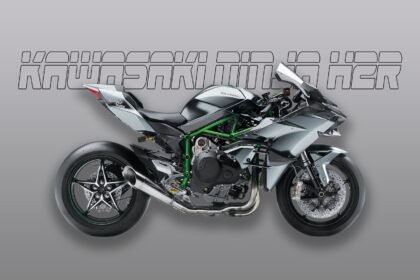
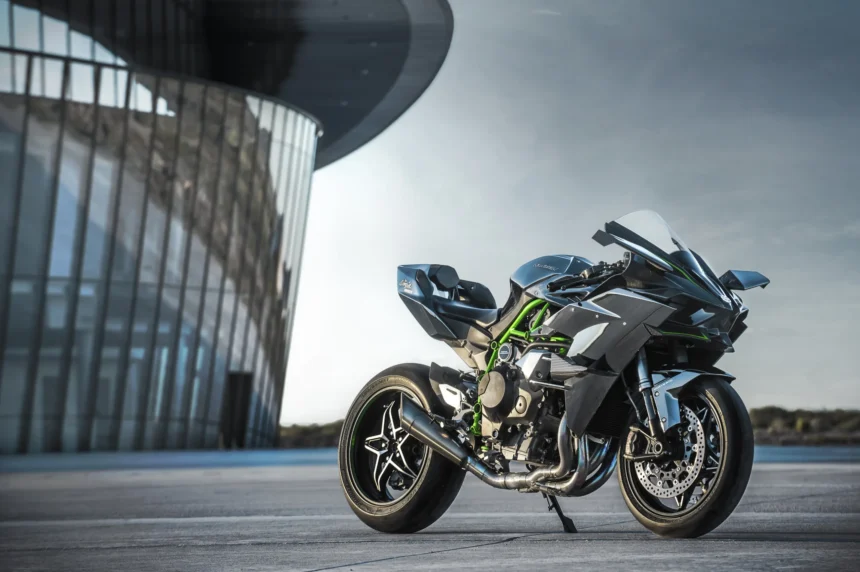
The Kawasaki Ninja H2R stands as a pinnacle of engineering excellence in the world of high-performance motorcycles, designed exclusively for closed-course track use. This track-only superbike pushes the boundaries of speed, power, and technology, captivating enthusiasts and professionals alike with its unparalleled capabilities.
In this comprehensive Kawasaki Ninja H2R review, we delve into its remarkable engine power, standout features, aerodynamic innovations, and real-world riding insights. Whether you’re researching the Kawasaki Ninja H2R engine power and performance or considering what makes this supercharged hypersport machine so extraordinary, this guide provides all the essential details to inform your understanding.
From its supercharged heart to advanced electronics, the Kawasaki Ninja H2R redefines what a production motorcycle can achieve on the racetrack.
Understanding the Kawasaki Ninja H2R: A Track-Only Marvel
Introduced as a closed-course hypersport motorcycle, the Kawasaki Ninja H2R represents Kawasaki’s bold vision to create the world’s most powerful supercharged production bike for the track. Unlike its street-legal sibling, the Ninja H2, the Kawasaki Ninja H2R is built solely for professional and experienced riders on controlled circuits, where its extreme performance can be fully unleashed without road-legal restrictions.
Handcrafted with precision and drawing on aerospace technology from Kawasaki Heavy Industries, this machine embodies innovation at every level. Its limited production status adds to its exclusivity, making it a coveted choice for serious track enthusiasts seeking the ultimate adrenaline experience. In any Kawasaki Ninja H2R review, the emphasis remains on its role as a benchmark for hypersport engineering rather than everyday commuting.
Engine Power and Supercharged Technology
At the core of the Kawasaki Ninja H2R lies its groundbreaking 998cc inline-four supercharged engine, a masterpiece of forced-induction design that delivers extraordinary power outputs. This liquid-cooled, DOHC 16-valve powerhouse generates 322 horsepower at 14,000 rpm according to ISO 4106 standards, with the ram-air effect boosting it even further at high speeds.
Torque peaks at 121.5 lb-ft at 12,500 rpm, providing explosive acceleration that propels the bike from a standstill to blistering speeds in seconds. The proprietary centrifugal supercharger, spinning at nearly 130,000 rpm and pumping over 200 liters of air per second, compresses intake air up to 2.4 times atmospheric pressure, eliminating the need for a bulky intercooler. This efficient design not only maximizes power but also maintains strong thermal efficiency through an 8.3:1 compression ratio.
Riders and reviewers often highlight the Kawasaki Ninja H2R engine power as transformative, with seamless delivery across the rev range thanks to dual-injection 50mm throttle bodies and a premium dog-ring six-speed transmission. The supercharged setup ensures instant throttle response and relentless pull, making straights overtakes feel effortless, while the engine’s high-rpm character delivers a thrilling soundtrack reminiscent of aerospace applications.
For those exploring long-tail queries like “Kawasaki Ninja H2R supercharged engine specs and top speed,” note that while exact top speeds vary by conditions, the bike has demonstrated capabilities exceeding 240 mph in controlled tests, solidifying its status as one of the fastest production track machines available. This level of performance makes the Kawasaki Ninja H2R a true engineering triumph for those prioritizing raw power on the circuit.
Unpacking the Features of the Kawasaki Ninja H2R
Beyond its engine, the Kawasaki Ninja H2R boasts an array of premium features tailored for track dominance. The lightweight trellis frame, constructed from high-tensile steel, offers exceptional rigidity while keeping overall curb weight at approximately 476 pounds, aiding agile handling despite the bike’s potent output.
Suspension duties are handled by a fully adjustable 43mm KYB AOS-II inverted fork up front and an Öhlins TTX36 gas-charged shock at the rear, both providing precise damping adjustments for optimal feedback and traction on varied track surfaces.
Braking comes courtesy of dual 330mm semi-floating discs with radial-mount Brembo M50 monobloc calipers up front and a 250mm rear disc, all managed by the Kawasaki Intelligent anti-lock Brake System (KIBS) for confident stopping power even under extreme deceleration. The bike rolls on lightweight cast aluminum wheels shod with high-grip slick tires (120/60-17 front and 190/65-17 rear), ensuring maximum contact patch for cornering and acceleration.
Additional highlights include a contactless Kawasaki Quick Shifter (KQS) for seamless up- and downshifts, as well as self-healing paint technology that repairs minor scratches over time. These elements combine to make the Kawasaki Ninja H2R not just advanced but also purposefully integrated for circuit supremacy, setting it apart in any detailed Kawasaki H2R review focused on build quality and componentry.
Aerodynamic Excellence and Chassis Design
Aerodynamics play a critical role in the Kawasaki Ninja H2R’s performance, with carbon-fiber components developed in collaboration with Kawasaki’s aerospace division. Vortex-generating winglets on the fairing produce significant downforce to keep the front end planted at high speeds, while the rigid upper cowl and shaped rear section minimize drag for superior stability. A chin spoiler further enhances airflow management, helping the bike maintain composure during aggressive cornering and straight-line sprints.
The chassis geometry, featuring a 25.1-degree rake and a 57.1-inch wheelbase, strikes an ideal balance between stability and responsiveness, allowing riders to exploit the supercharged power without compromising control. This aerodynamic and structural synergy ensures the Kawasaki Ninja H2R feels planted and predictable, even as it approaches its performance limits on the track.
Riding the Kawasaki Ninja H2R: Experience and Performance
Experiencing the Kawasaki Ninja H2R on a closed course is unlike any other motorcycle ride, delivering an intense blend of acceleration, precision, and feedback that professional testers describe as sublime yet demanding. The supercharged engine’s linear power delivery, combined with electronic aids, allows skilled riders to push boundaries safely while the lightweight frame and advanced suspension translate every input into immediate response.
Track sessions reveal effortless high-speed cornering, powerful braking zones, and launch control that minimizes wheelspin for explosive starts. However, the bike’s track-only nature means it requires proper setup, maintenance, and rider expertise to appreciate its capabilities fully. In Kawasaki Ninja H2R review discussions, owners and testers consistently praise the thrill but note the need for dedicated track time to harness its potential fully.
Safety And Electronic Aids in the Kawasaki Ninja H2R
Safety remains paramount even in this extreme machine, thanks to a suite of IMU-enhanced electronics inspired by WorldSBK racing technology. The Bosch inertial measurement unit monitors six degrees of freedom, feeding data to systems like Kawasaki Traction Control (KTRC) with nine modes, Kawasaki Launch Control Mode (KLCM), and Kawasaki Cornering Management Function (KCMF).
Engine brake control and the Öhlins electronic steering damper further refine stability at speed. These features ensure the Kawasaki Ninja H2R remains controllable under power, making it accessible to advanced riders while protecting against loss of traction or instability.
Pros and Cons: Is the Kawasaki Ninja H2R Worth It?
The pros of the Kawasaki Ninja H2R are evident in its unmatched power, refined engineering, and track-focused design, which deliver an unforgettable riding experience. Its exclusivity and cutting-edge technology justify the premium positioning for dedicated enthusiasts.
On the downside, the high cost, track-only restrictions, and demanding maintenance requirements may limit appeal to a niche audience. Fuel consumption and the need for specialized transport add practical considerations, but for those prioritizing performance above all, the benefits far outweigh any drawbacks in this Kawasaki Ninja H2R evaluation.
Comparing the Kawasaki H2R to Other Hypersport Motorcycles
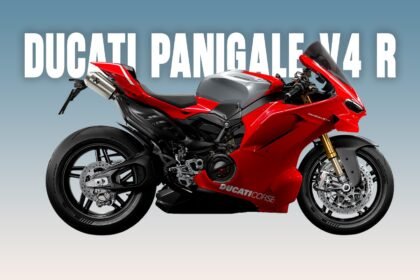
When stacked against competitors like the Ducati Panigale V4 R or BMW S1000RR, the Kawasaki Ninja H2R distinguishes itself through supercharged forced induction and superior straight-line dominance. While rivals excel in certain handling aspects, few match the raw thrust and technological integration of the H2R’s supercharged inline-four. Its closed-course focus further sets it apart, emphasizing pure performance over versatility and making it the go-to choice for record-setting track runs.
Is the Kawasaki Ninja H2R Right for You?
The Kawasaki Ninja H2R suits experienced track riders with the skill, resources, and passion for extreme hypersport machinery. If you’re chasing the thrill of supercharged acceleration and advanced features in a purpose-built package, this bike delivers like no other. Beginners or street-focused enthusiasts should consider alternatives, but for circuit specialists, it remains an aspirational icon.
Expert’s Opinion And Kawasaki Ninja H2R Price
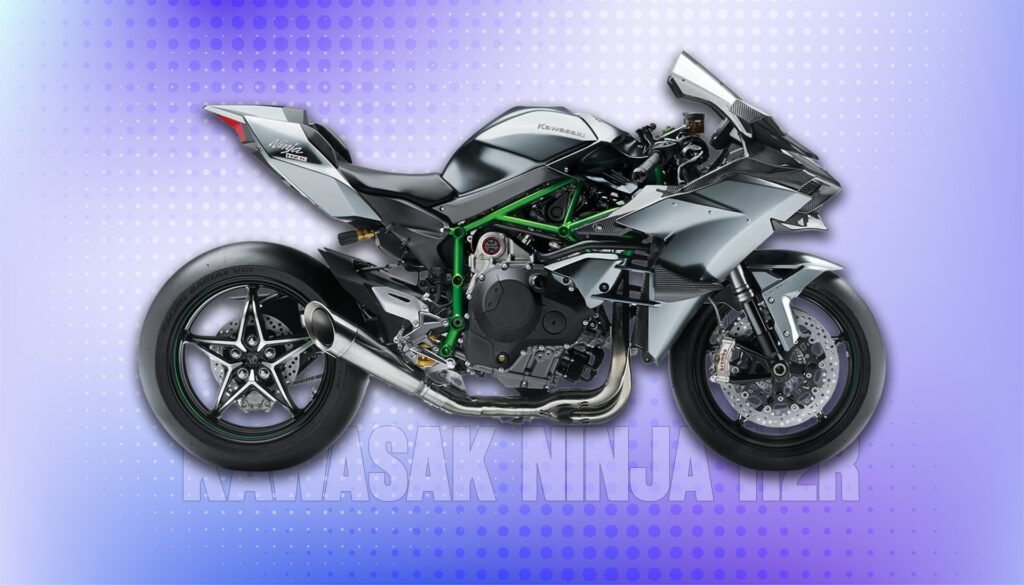
According to experts, the Kawasaki Ninja H2R exemplifies the pinnacle of motorcycle innovation with its supercharged engine, comprehensive features, and track-optimized design. This Kawasaki Ninja H2R Price and review underscores why it continues to captivate the riding community as a benchmark for performance and engineering prowess.
For more detailed insights into high-performance motorcycles, including updates on models like the Kawasaki Ninja H2R, visit zulqarnain.pro. Whether analyzing its engine specs or exploring riding dynamics, the Kawasaki Ninja H2R proves itself a legendary machine built for those who demand the extraordinary on the track.