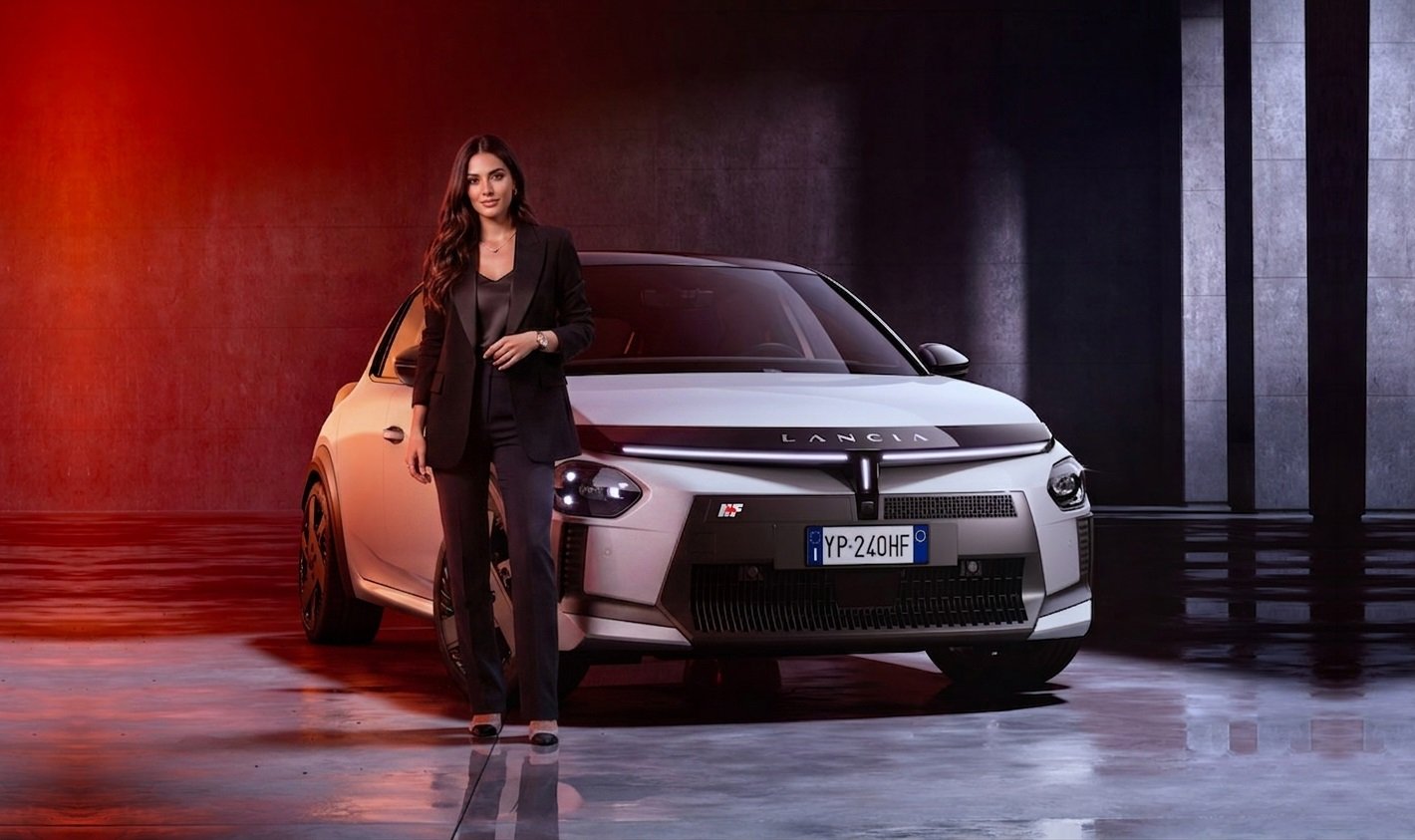

The Italian automotive world has a new talking point, and it centers around a decision that feels refreshingly old-school in an era dominated by electrification and automation. Lancia has officially expanded the Ypsilon lineup in Italy with a brand-new entry-level variant, the Lancia cheapest new car, Ypsilon Turbo 100, and what makes it truly stand out is exactly what it leaves out: a hybrid system and an automatic gearbox.
In their place, buyers get a turbocharged combustion engine and a proper six-speed manual transmission, making the Lancia the cheapest new car a fascinating proposition for drivers who still crave a more hands-on experience behind the wheel.
A Brand Finding Its Footing Again
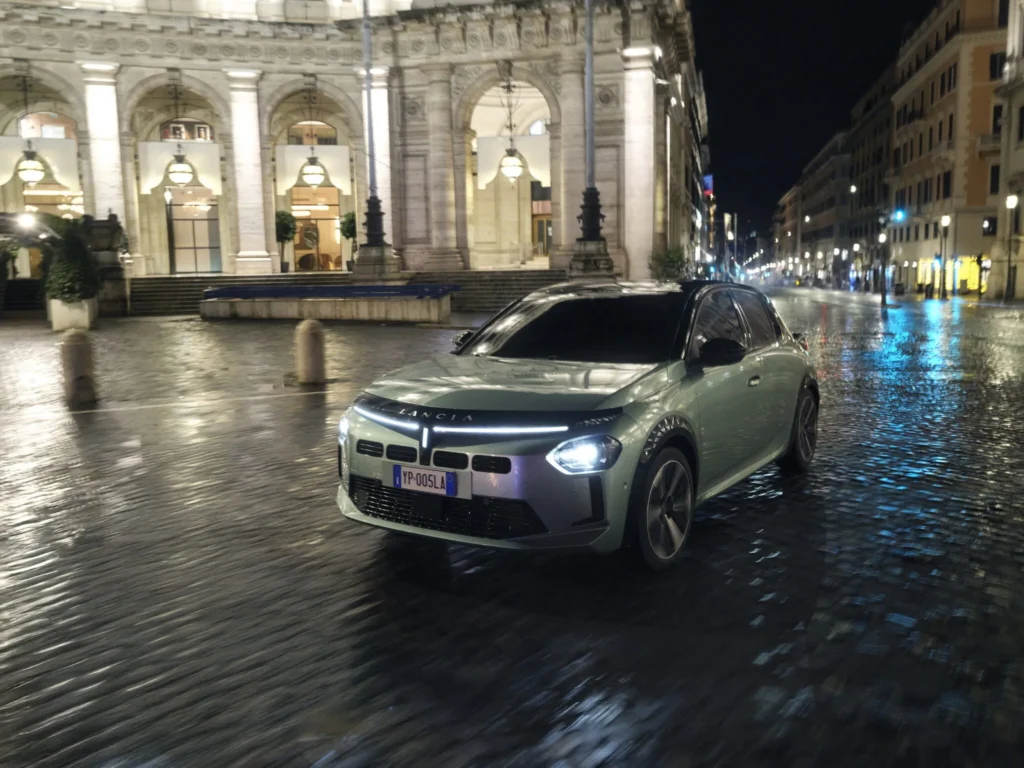
Lancia’s revival has been one of the more quietly compelling storylines in European motoring over the past few years. After years of near-dormancy, the brand reemerged with a focus on Italian elegance, refinement, and a heritage-driven identity. The new Ypsilon served as the cornerstone of this rebirth, offering a stylish and tech-forward hatchback positioned to win back European buyers.
However, as Lancia has studied the market, particularly the Italian one, it has become clear that a portion of potential customers wants something simpler, more direct, and more affordable. That is precisely the gap the Ypsilon Turbo 100 is designed to fill.
Lancia has been transparent about its reasoning here. The company openly acknowledged that customer feedback played a direct role in developing this variant. According to the brand, there remains a passionate segment of drivers who prefer the engagement of a manual gearbox, people who, as Lancia colorfully described, are similar to those who “choose to listen to vinyl, write by hand, or make coffee with a moka pot.” It is a charming analogy that speaks to a broader truth: not every driver wants their car to do everything for them.
The Heart of the Matter: Engine and Transmission
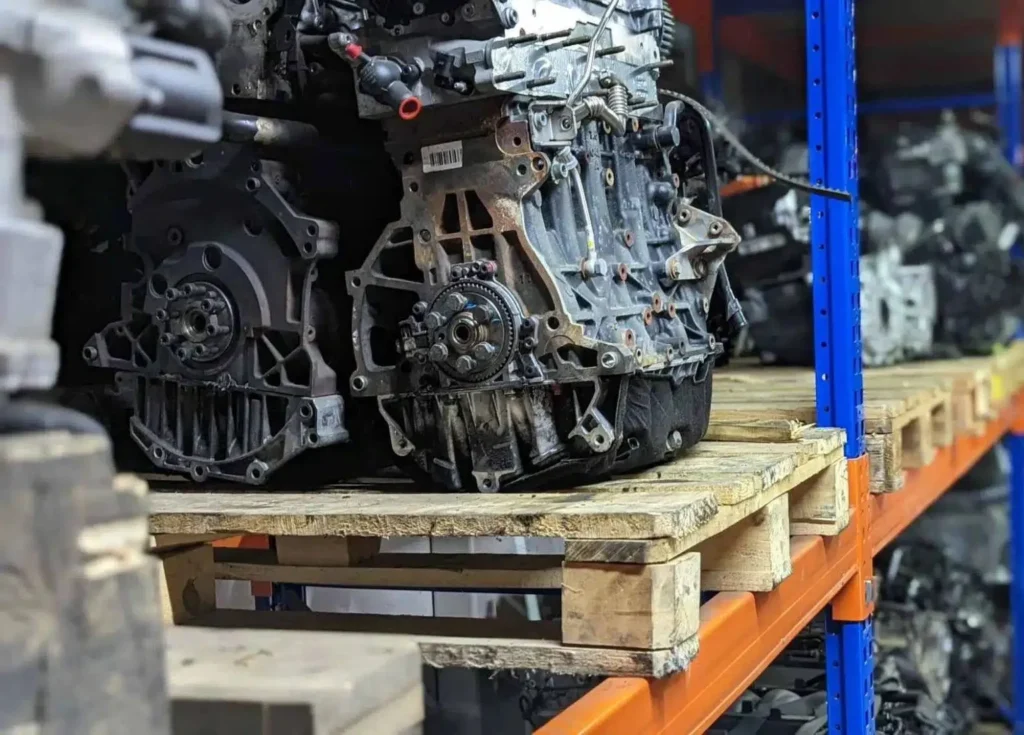
At the core of the Ypsilon Turbo 100 is a turbocharged 1.2-liter three-cylinder petrol engine, a unit that will be immediately familiar to anyone who follows the Stellantis ecosystem closely. This same engine powers a range of popular hatchbacks under the Stellantis umbrella, including the Peugeot 208, Opel Corsa, and Fiat Grande Punto, among others. In this application, the engine operates without mild-hybrid assistance, as in the standard Ypsilon, producing 99 horsepower (74 kW / 100 PS) and 205 Nm of torque, which translates to approximately 151 lb-ft.
What makes the Lancia cheapest new car truly distinctive within the current Ypsilon family is the six-speed manual gearbox sending power to the front wheels. This marks the first time since Lancia relaunched its modern era that the brand has offered a manual transmission, a detail that carries real significance. It signals that Lancia is willing to listen to its audience rather than dictate a singular vision. For driving enthusiasts and those who prefer total control over gear selection, this is a meaningful development.
In real-world performance, the Turbo 100 completes the sprint from 0 to 100 km/h (0 to 62 mph) in 10.2 seconds and reaches a top speed of 194 km/h (121 mph). These are not supercar numbers, but they are entirely appropriate for a city-friendly hatchback aimed at everyday urban and suburban driving.
What Changes Inside the Cabin
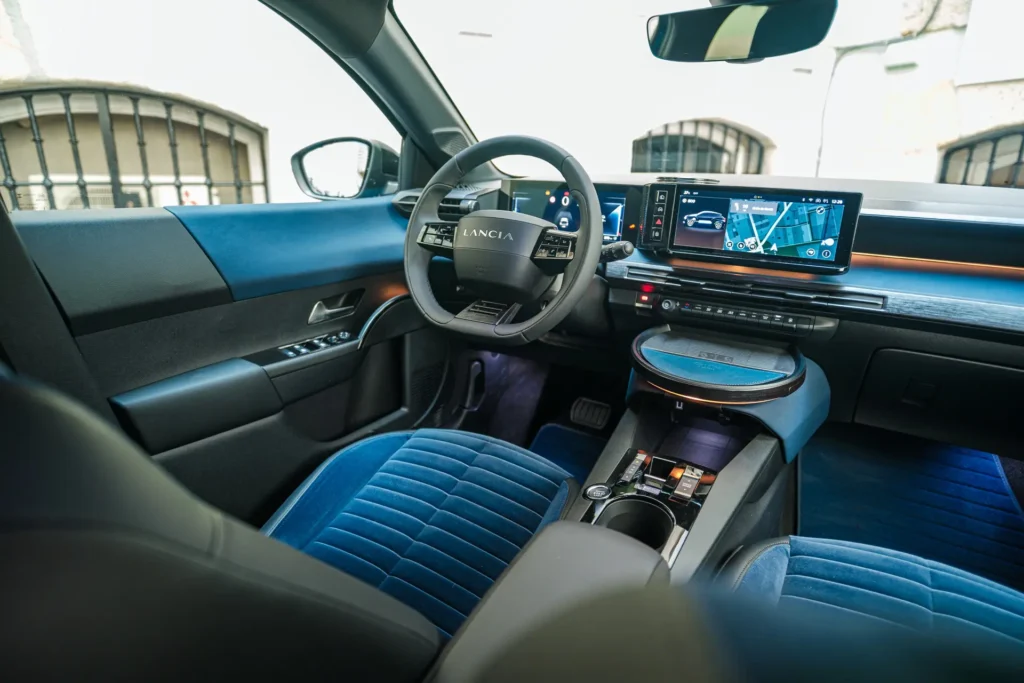
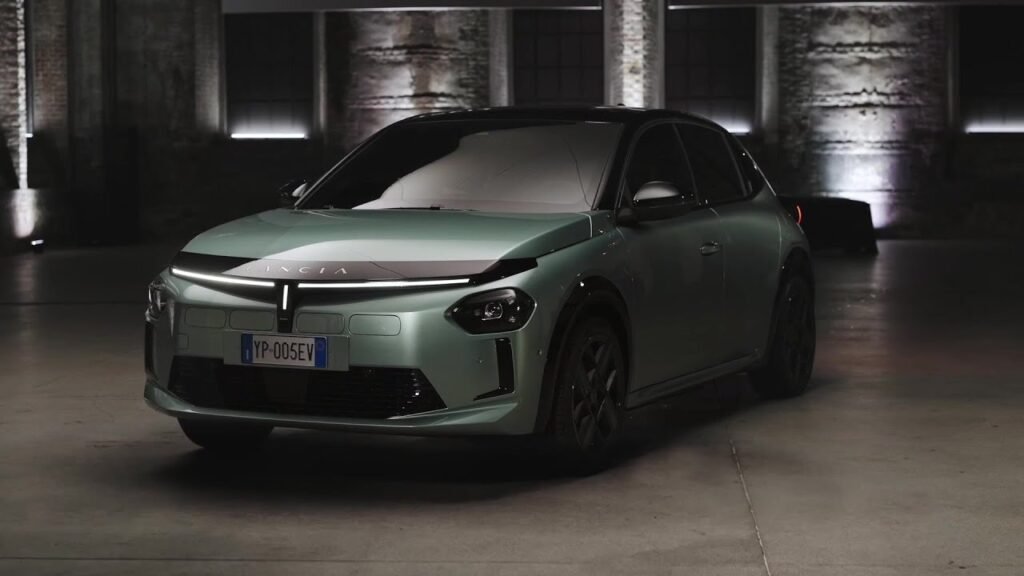
On the outside, the Turbo 100 is visually indistinguishable from the mild-hybrid Ypsilon. The same sleek lines, refined details, and polished Italian aesthetic are all present. It is only when you open the door and settle into the driver’s seat that the differences become apparent. The most immediately noticeable change is the addition of a proper gear lever and three-pedal layout, a setup that many drivers consider essential to the true driving experience.
However, this change comes with a trade-off. The standard Ypsilon is known for its distinctive center console, often described as a “multifunctional coffee table”, a wide, flat surface that serves as both a storage space and an ambient design element. In the Turbo 100, that console has been removed to accommodate the gear lever, altering the cabin’s character somewhat. For some buyers, this will be a welcome exchange. For others who fell in love with that unique interior feature, it will require a little adjustment.
Despite this omission, the interior remains well-appointed and thoroughly modern. Lancia has not cut corners on the technology front, even in the most affordable trim, which is worth emphasizing.
Trim Levels and Standard Equipment
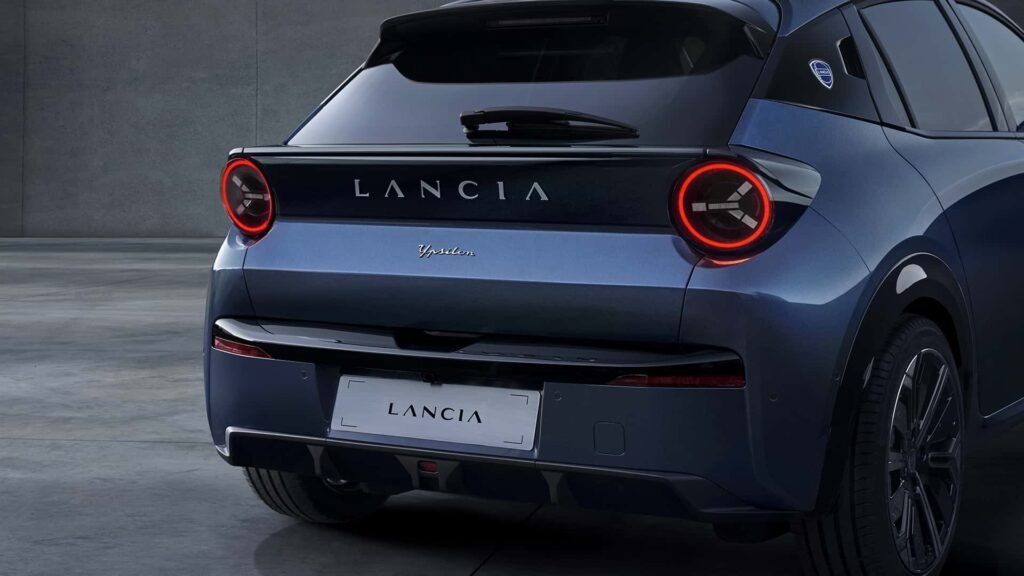
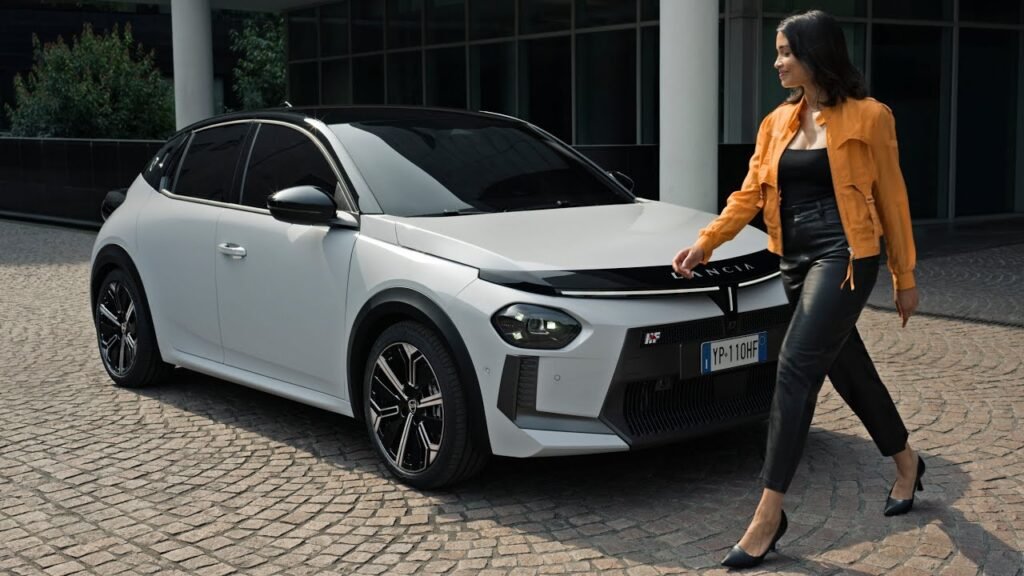
The Lancia Cheapest New Car Ypsilon Turbo 100 is offered across three distinct trim levels. The base trim is called Ypsilon, representing the entry point into the range. Moving up, buyers can choose the LX, which brings a higher specification and additional comfort features. At the top of the lineup sits the HF Line trim, which adds a sportier personality with a unique body kit that visually distinguishes it from the other variants.
What is genuinely impressive about the Lancia cheapest new car is the generosity of its standard equipment, even at the base level. The entry-level Ypsilon Turbo 100 comes fitted as standard with dual 10.25-inch digital displays, automatic climate control, a USB-C port, full LED headlights, rear parking sensors, and a foundational suite of Advanced Driver Assistance Systems (ADAS). This is a respectable package for a car at this price point, ensuring buyers are not sacrificing modern convenience simply by opting for the more affordable variant.
For enthusiasts interested in how this fits into the broader world of automotive value, resources like zulqarnain.pro regularly analyze how automakers balance affordability with feature content in the competitive European hatchback segment.
Pricing That Makes a Compelling Case
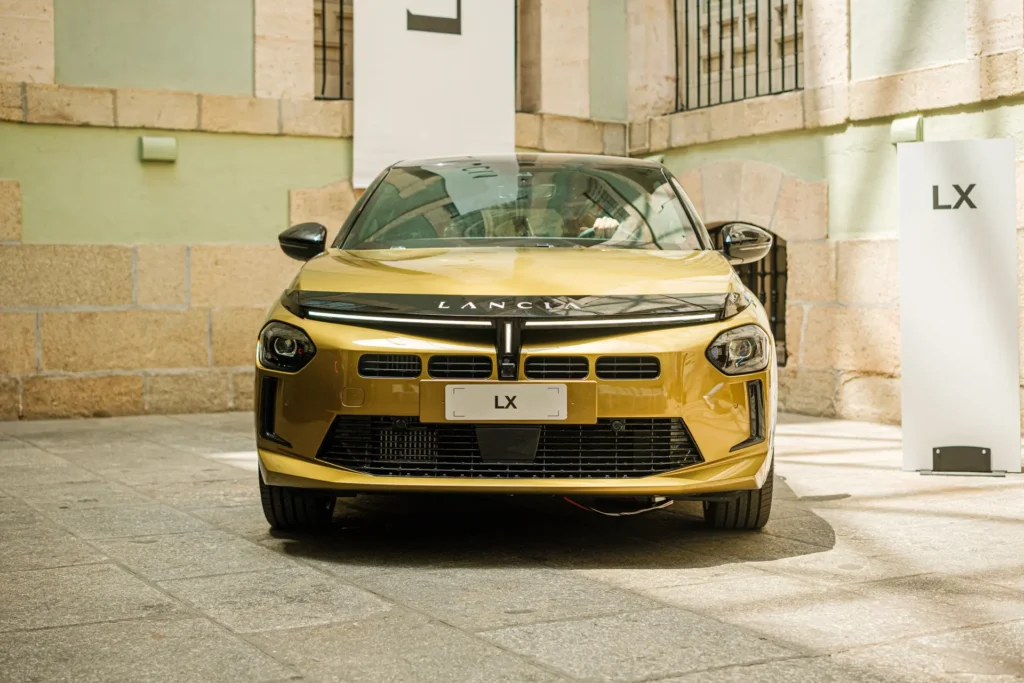
Arguably, the most powerful argument in favor of the Ypsilon Turbo 100 is its pricing structure. All three trim levels of the Turbo 100 are priced €3,000 lower than the equivalent mild-hybrid automatic versions, which equates to roughly $3,500 at current exchange rates. The base Ypsilon Turbo 100 starts at €22,200 (approximately $26,200), while both the LX and HF Line trims are priced at €25,200 (approximately $29,700).
These figures already make the Lancia cheapest new car, a more accessible proposition. Still, Stellantis has gone further by offering flexible financing options that can push the effective starting price even lower. Under the best available financing terms, buyers could potentially take ownership for as little as €15,950 (roughly $18,800), with monthly payments starting at just €99 (approximately $117).
That is a striking figure when you consider what is included in the package. Comparing this to the previous-generation Ypsilon from 2023, the pricing is comparable, yet this new model offers a more powerful engine and significantly more advanced technology. It represents a genuine step forward in terms of value, not a regression to justify the lower price.
Why This Matters for the Market
The launch of the Ypsilon Turbo 100 reflects a nuanced understanding of consumer behavior that many automakers sometimes overlook in their enthusiasm for electrification. While the shift toward hybrid and fully electric vehicles is real and important, it is not universal. A meaningful portion of the European driving public, and the Italian market in particular, still has strong preferences for traditional powertrains and the tactile engagement of a manual gearbox. Lancia’s willingness to develop a product specifically for this audience demonstrates both commercial pragmatism and genuine respect for its customer base.
It also positions the Lancia as the cheapest new car, making it a strong competitor in one of Europe’s most contested market segments. Affordable, well-equipped, stylish hatchbacks are the lifeblood of European automotive retail, and adding a manual transmission option at a lower price point gives potential buyers one more reason to consider the Ypsilon over its many rivals.
Expert’s Opinion
The Lancia Ypsilon Turbo 100 is a thoughtful and well-considered addition to a lineup that continues to mature impressively. By offering the Lancia, the brand’s cheapest new car with a manual gearbox and a turbocharged combustion engine, it has acknowledged that the path forward need not be a single lane. Drivers who want the joy of rowing their own gears, the simplicity of a non-electrified powertrain, and the affordability that comes with both now have a genuinely compelling option wearing the Lancia badge. With competitive pricing, strong standard equipment, and that unmistakable Italian aesthetic, the Ypsilon Turbo 100 makes a persuasive case for itself in a crowded field.