Electric vehicles are becoming increasingly popular because they cost less to run and produce zero tailpipe emissions. But many people still worry about charging costs. One EV driver decided to find out exactly what happens when you add home solar power. He shared his surprising real-world data after installing solar panels for EV charging, and the results are better than most people expect. This story offers clear, helpful information for anyone thinking about making the switch.
Who Is the Driver and What EV Does He Own?
The driver owns a 2024 Chevy Blazer RS AWD electric SUV. Over two years, he has driven 14,480 miles – about 7,240 miles per year. He admits he drives normally and even enjoys quick acceleration, so his numbers are realistic for everyday users, not super careful drivers. He uses a reliable Autel home Level 2 charger that adds about 33 miles of range per hour. Most of the time, he charges at home overnight and rarely visits public stations.
Real-World Driving Efficiency and Charging Costs
The Blazer achieves around 3.4 miles per kWh. That means every kilowatt-hour of electricity gives him more than three miles of driving. Over two full years, his total home charging cost was just $617.65. At an average electricity rate of 15 cents per kWh, that works out to roughly $20 to $25 per month. For comparison, the same miles in a regular petrol car getting 20 mpg would cost about $2,100, or $1,400 at 30 mpg. Most single charging sessions cost under $2, and even a full top-up at peak rates stayed below $10. These low numbers already show why EVs save money, but the real surprise comes when solar is factored in.
What Happened After Installing Solar Panels for EV Charging
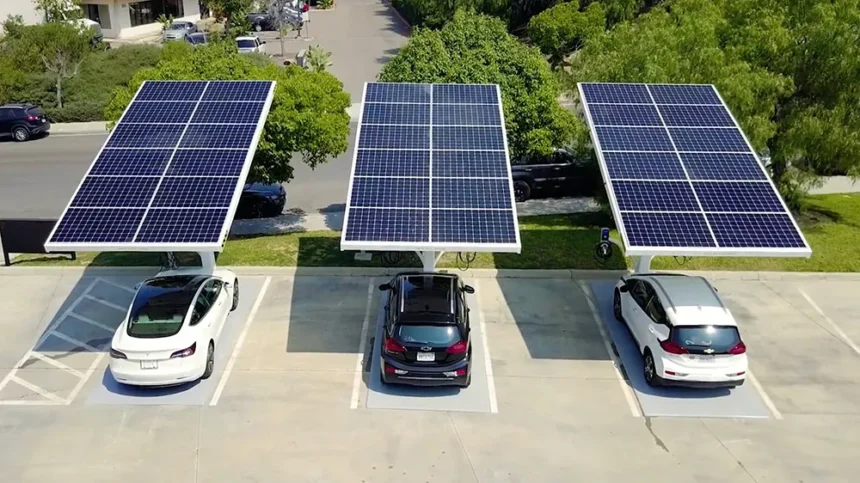
After putting solar panels on his roof, the driver started tracking every detail with Enphase monitoring and simple tools like Notebook LM. In 2025 alone, his home solar system produced 17.5 megawatt-hours (MWh) of clean energy. His whole house used 27.4 MWh that year, so solar covered a large part of his daily needs. Even better, the solar panels for EV charging produced 2,042 kWh of electricity, more than the Blazer actually needed for all its driving that year.
This extra power helped cut his total energy bills by about $2,300 in one year. He now “makes his own fuel” at home and chooses when to charge to take advantage of free sunshine hours. The combination of a good Level 2 charger and solar panels for EV charging means he can fill the battery from empty to full while he sleeps – all on clean, low-cost energy.
Surprising Savings That Go Beyond Electricity
The monthly charging bill of $20–$25 is less than the cost of two oil changes for a normal car. On top of that, the EV needs almost no maintenance. In two years, the driver only did one tire rotation. Regenerative braking means brake pads last much longer, and there is no oil, filters, or exhaust system to worry about. When you add solar panels for EV charging, the savings grow even more because you reduce or eliminate grid electricity costs for both the car and the house.
How Solar Production Matches Real Life Needs
Solar panels do not work only on sunny days. The driver’s system continued to produce useful power even in cloudy or winter months, thanks to modern panels and smart monitoring. The extra 2,042 kWh beyond EV needs can be used by the house or sent back to the grid (depending on local net-metering rules). This real-world balance shows that you do not need a huge solar array to power an EV successfully. A properly sized system can cover driving plus part of home use, making solar panels for EV charging a smart long-term choice.
Helpful Tips If You Are Thinking About Solar Panels for EV Charging
Start by checking your daily driving distance and home electricity use. A Level 2 charger is highly recommended because it charges much faster than a normal wall outlet and works perfectly with solar. Look at your roof space, local sunlight hours, and any government solar incentives. Many places offer rebates or tax credits that significantly reduce the upfront cost. Track your numbers for a few months after installation – apps and monitors make it easy and fun to see the savings grow. Remember, even if you drive more aggressively like this owner, solar panels for EV charging still deliver excellent results.
Why This Matters for the Future
Stories like this prove that combining an electric vehicle with home solar is practical right now, not just in the future. You save money every month, reduce pollution, and enjoy a quieter, smoother drive. The data is clear: solar panels for EV charging can cut fuel and maintenance costs dramatically while giving you energy independence.
The zulqarnain.pro is always on the lookout for practical green tech stories that help Pakistani readers make smarter choices. This EV driver’s real-world experience shows that installing solar panels for EV charging is easier and more rewarding than many people think. If you are ready to lower your running costs and go greener, home solar paired with an EV could be the perfect next step. Start small, track your data, and watch the savings add up just like this happy driver did.