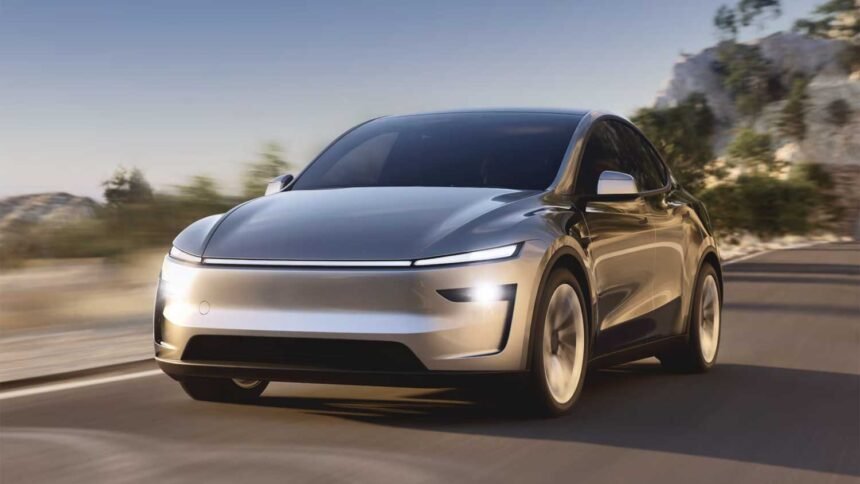
Tesla has successfully avoided a 30-day California sales suspension after making big changes to its Tesla Autopilot marketing. This news brings relief to Tesla owners and fans in the state, which is one of the biggest markets for Electric Vehicles. The California Department of Motor Vehicles (DMV) announced on February 17, 2026, that Tesla took the right steps to fix problems with how it advertised its driver-assistance features.
For years, many people wondered if Tesla Autopilot marketing promised more than the cars could actually deliver. The DMV said the words “Autopilot” and “Full Self-Driving” made drivers think the cars could drive themselves without any help. In reality, these systems still need a person paying full attention at all times. This case started back in 2021 and finally ended this week after Tesla updated its Tesla Autopilot marketing.
Background of the Tesla Autopilot Marketing Issue
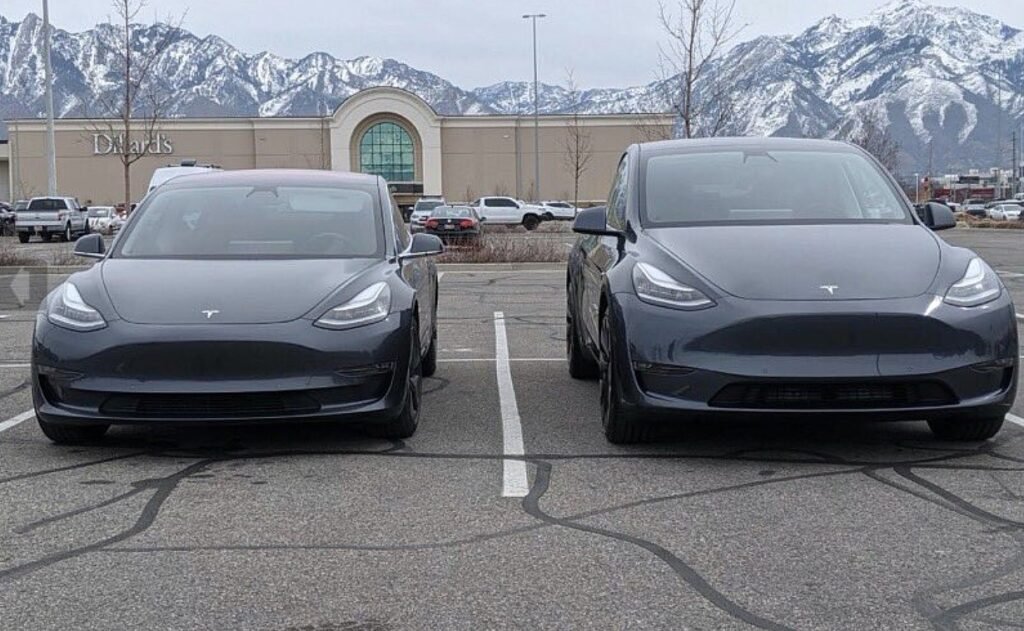
The story began in May 2021 when the California DMV opened an investigation into Tesla Autopilot marketing. Officials looked at Tesla’s website and ads that used phrases like “The system is designed to be able to conduct short and long-distance trips with no action required by the person in the driver’s seat.”
The DMV believed this language confused buyers. Tesla cars with Autopilot or Full Self-Driving (FSD) are advanced driver-assistance systems (ADAS). They can keep the car in its lane, control speed, and even change lanes, but they are not fully self-driving robots. A human driver must always be ready to take over. In November 2023, the DMV filed formal accusations against Tesla’s manufacturer and dealer licenses in California.
A five-day hearing took place in July 2025. In December 2025, an administrative law judge ruled that Tesla’s use of the term “Autopilot” was misleading and broke California law. The judge called it part of “a long but unlawful tradition of intentionally using ambiguity to mislead consumers.” The first decision ordered a 30-day suspension of Tesla’s licenses, which would have stopped all new car sales in the state for a full month.
What Tesla Changed in Its Tesla Autopilot Marketing
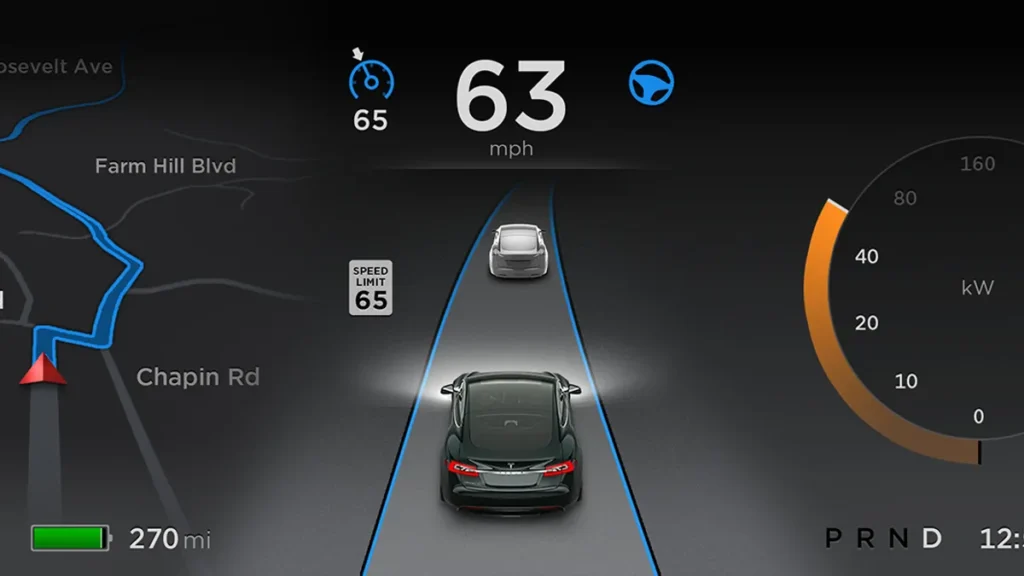
Tesla listened to the ruling and acted quickly to protect its business. In January 2026, the company stopped selling “Autopilot” as a separate option in the United States and Canada. It also moved Full Self-Driving to a subscription model costing $99 per month instead of a one-time $8,000 purchase. Most importantly, Tesla removed the word “Autopilot” from its marketing materials in California and started calling the advanced version “Full Self-Driving (Supervised)” to make it clear that a driver must stay alert.
These updates matched the DMV’s February 14, 2026, deadline perfectly. By making these changes to Tesla Autopilot marketing, Tesla showed it was serious about following the rules. The DMV reviewed everything and agreed that the company had fixed the problem.
The Final Outcome: No California Sales Suspension for Tesla
On February 17, 2026, the California DMV made it official. Tesla would not face any 30-day California sales suspension. The agency permanently stayed the suspension on Tesla’s manufacturer license and gave the company 60 days to complete all changes to its Tesla Autopilot marketing. DMV Director Steve Gordon said, “The DMV is committed to safety throughout all of California’s roadways and communities. The department is pleased that Tesla took the required action to remain in compliance with the State of California’s consumer protections.”
This decision closes a nearly three-year case. It confirms that Tesla’s old Tesla Autopilot marketing was indeed misleading, but it also shows the company avoided any real punishment by correcting its mistakes fast. Tesla can keep selling cars normally in California, its largest U.S. market.
Why This Case Matters for Tesla Owners and Buyers
This whole situation teaches an important lesson about car advertising. Names like “Autopilot” sound exciting and make people think the car drives itself. In truth, Tesla’s systems are very good at helping drivers, but they are not ready to replace a human behind the wheel. The DMV wants to make sure no one gets hurt because they trusted marketing too much.
For current Tesla owners, the changes to Tesla Autopilot marketing mean clearer information when they buy software updates. New buyers will see “Supervised” next to Full Self-Driving, which reminds everyone to keep hands on the wheel and eyes on the road. Safety remains the top priority.
The case also highlights how regulators watch big car companies closely. California leads the way in electric vehicle rules and consumer protection. Other states may look at this outcome and decide how to handle similar claims from other automakers.
What Tesla Autopilot and Full Self-Driving Actually Do
Let’s break it down in simple terms. Basic Autopilot (now removed) handled steering on highways and automatic speed control. Full Self-Driving adds features like automatic lane changes, stopping at traffic lights, and even parking by itself in some cases. All these features still require the driver to stay completely focused and ready to take control at any second.
Tesla has improved the software many times, and millions of miles of real-world driving data help it get smarter. Still, experts and regulators agree that true self-driving cars without any driver attention are years away. That is why the updates to Tesla Autopilot marketing are so important they match what the technology can actually do today.
Implications for the Future of Tesla in California
Avoiding the 30-day California sales suspension is great news for Tesla. California sells more Teslas than any other state, so even a short sales stop would have hurt revenue and customer trust. Now Tesla can focus on delivering new models like the refreshed Model Y and pushing its Robotaxi plans without this legal cloud hanging over it.
The shift to a $99 monthly subscription for Full Self-Driving also changes how people buy the feature. More drivers can try it without paying a huge upfront cost. Tesla says the price may rise as the system gets better, but for now, this model makes advanced driver assistance more accessible.
At zulqarnain.pro, we follow every major EV story so readers like you stay informed about real changes that affect your next car purchase.
Tips for Tesla Buyers and Owners After the Marketing Changes
If you are thinking about buying a Tesla, always test drive with Autopilot or Full Self-Driving turned on (where available) to feel how it works. Remember these simple safety rules:
- – Keep your hands on the wheel.
- – Watch the road at all times.
- – Do not treat the car like a robot that drives alone.
Check Tesla’s website regularly because marketing language continues to evolve. The recent fixes to Tesla Autopilot marketing show the company is listening to regulators, which is good for everyone.
Existing owners should update their software to get the latest supervised features and clearer on-screen warnings. If you bought Full Self-Driving years ago, your car still has the capability; it just comes with stronger reminders that supervision is required.
Broader Impact on the Electric Vehicle Industry
This case sends a clear message to every car company: Be honest about what your driver-assistance systems can and cannot do. Other brands like GM with Super Cruise or Ford with BlueCruise already use careful language and require driver attention. Tesla’s experience may push the whole industry toward even clearer advertising.
Consumers win when marketing matches reality. Fewer misunderstandings mean safer roads and happier drivers. The resolution of the Tesla California sales suspension issue proves that regulators can protect buyers without stopping innovation.
Tesla’s Smart Move
Tesla avoided a major headache by quickly updating its Tesla Autopilot marketing and showing real compliance. The company kept selling cars in California, kept customers happy, and closed a long legal battle. This story reminds us that words in advertising matter, especially when safety is involved.
Whether you already own a Tesla or are shopping for your first electric car, stay informed about the technology and the rules around it. The future of driving is exciting, but it works best when everyone, drivers, companies, and regulators, work together with clear and honest information.
For more easy-to-understand updates on Tesla, electric vehicles, and important regulations like the recent changes to Tesla Autopilot marketing, keep visiting zulqarnain.pro. We break down complex news so you can make smart choices for your next ride.