Tesla has big dreams for robotaxis that drive themselves and change how people move around cities. These vehicles promise safer roads, lower costs, and rides available any time of day. Yet recent reports show a different picture. New numbers from Austin, Texas, reveal that Tesla robotaxi crashes happen far more often than crashes caused by human drivers.
In fact, they wreck about four times more. On top of that, a scary viral video shows at least one Tesla trying to drive straight into a lake with its owner inside. This article takes a close look at what is happening, the cool features Tesla built into these cars, why safety is a big worry right now, and what it means for the future of self-driving tech.
At Zulqarnain.pro, we love exploring new technology in simple words so everyone can understand. Today, we break down the latest news on Tesla robotaxis so you can see the real story behind the headlines.
What Are Tesla Robotaxis and Why Do They Matter?
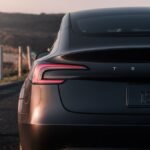
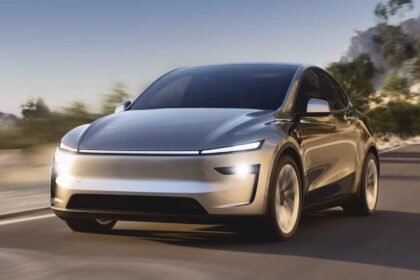
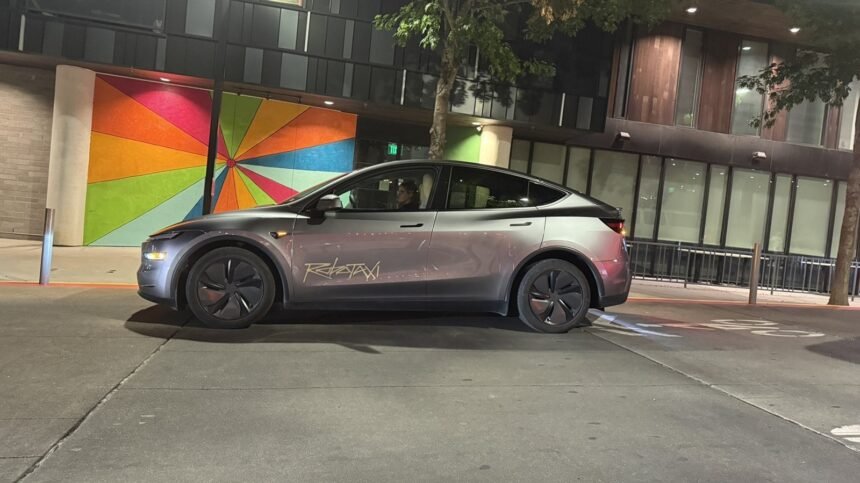
Robotaxis are cars that drive themselves without a human behind the wheel. Tesla started testing its robotaxi service in Austin back in June 2025, using regular Model Y vehicles fitted with the latest Full Self-Driving software. The plan is simple: people open an app, order a ride, and the car comes by itself. No driver means cheaper rides and service that never sleeps.
Tesla promises many exciting features. The cars use only cameras and smart software – no expensive laser sensors called lidar. This keeps costs low. The system learns from millions of miles of real driving data collected from Tesla owners around the world. Inside, the cars have big touchscreens, comfortable seats, and a smooth autopilot that handles highways, city streets, and even parking. Owners who test the robotaxis say the ride feels calm and quiet because there is no one talking or adjusting the radio.
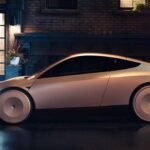
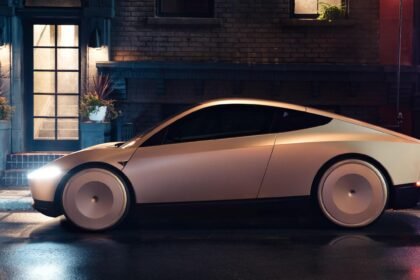
For the future, Tesla is building a special robotaxi called the Cybercab. This new model has no steering wheel and no pedals at all. It features cool butterfly doors that open upward like butterfly wings, making it easy to get in and out. The battery is 35 kilowatt-hours and gives about 200 miles of range on one charge. It even uses inductive charging, so the car parks over a pad and starts charging without any plugs.
Tesla says the Cybercab will cost less than $30,000 to make, which could mean very cheap rides for everyone. These features sound amazing, but right now the software that makes them work safely is still being tested.
Shocking New Data
The biggest worry right now comes from official crash reports sent to the government. In Austin, Tesla’s robotaxi fleet has been involved in 14 crashes since the service started. That is a lot for a new program. Experts looked at the miles driven and found something surprising. The cars have covered roughly 800,000 paid miles, and they crash once every 57,000 miles.
Compare that to normal human drivers. Tesla itself says the average American driver has a minor crash only once every 229,000 miles. That means Tesla robotaxi crashes are nearly four times more frequent. Some experts use even stricter government numbers that say humans crash once every 500,000 miles. By that count, the Tesla vehicles are crashing almost nine times more often. These numbers come straight from NHTSA, the agency that watches car safety in the United States.
In just one month – December 2025 and January 2026 – five new crashes were added to the list. Most happened at low speeds, but they still count. One car hit a fixed object while going 17 miles per hour. Another crashed into a bus while it was completely stopped. There were also low-speed bumps with a truck and two cases where the car backed into poles or trees at just one or two miles per hour.
Every single time the Full Self-Driving system was turned on, a safety monitor was watching. Even with a trained person ready to take over, the cars still made mistakes.
Close Look at the Five Latest Tesla Robotaxi Crashes in Austin
Let’s walk through what happened in those five fresh incidents so you can picture them clearly. All five involved Model Y cars in Austin with the autonomous system active. The first one in December saw the car drive straight into something solid at 17 mph and cause property damage.
In January, one Tesla sat still and got hit by a bus – the robotaxi did not move, but the crash still got reported. Another time, the car gently bumped a heavy truck at only 4 mph while going straight.
The last two were backing accidents. One backed into a fixed object at 2 mph, and the final one slowly hit a pole or tree at 1 mph. None caused serious injuries, but one earlier crash from July 2025 was later upgraded to “minor injury with hospitalization” after someone needed hospital care. This shows that even small Tesla robotaxi crashes can sometimes hurt people more than first reported.
What makes this extra worrying is that Tesla hides the full story of each crash by marking the details as “confidential business information.” Other robotaxi companies like Waymo share everything so the public can learn and improve. With Tesla, we cannot see exactly why the car made the wrong choice.
The Viral Video: At Least One Tesla Wants to Swim
While the Austin numbers were coming out, another story went super viral. A Tesla owner named Daniel Milligan posted a video on X showing his car’s Full Self-Driving system trying to drive straight into a lake. He was using the newest software version 14.2.2.4, and suddenly, the car headed toward the water with him still inside. He quickly took control and stopped it, but the video got more than one million views in hours. Many people commented that it looked scary and dangerous.
This is not the first time Full Self-Driving has done something strange. In past months, there have been cases where Teslas drove off the road, changed lanes into oncoming traffic, or hit road debris. The lake video adds to the list and makes people wonder if the software is truly ready for unsupervised driving. Tesla calls it “Full Self-Driving,” but right now, it is still a Level 2 system that needs a human ready to jump in at any second.
Tesla’s New Cybercab: Exciting Features but Big Safety Questions
Even with these problems, Tesla just rolled the very first steering-wheel-less Cybercab off the production line at Gigafactory Texas. This special two-seater has butterfly doors, inductive charging, and a simple design meant only for robotaxi work. Elon Musk says the factory will make these cars like smartphones – one every ten seconds once full production starts in April.
The Cybercab has no backup way to drive if the software fails. No wheel, no pedals. If the computer cannot figure out what to do, the car cannot move. That makes the current Tesla robotaxi crashes even more important. The Austin test fleet uses the same software that the Cybercab will need. If the cars are wrecking four times more than humans now, how safe will the new Cybercab be when it carries passengers without any human help?
Tesla hopes to collect 10 billion miles of driving data by around July 2026 to make the system safe enough. But experts say even after that, testing and fixing problems could take another full year. The new Cybercab will use the current AI4 computer chip because the next-generation AI5 chip is delayed until 2027.
How Do Tesla Robotaxis Compare to Human Drivers?
Human drivers make mistakes, but years of data show they crash much less often than Tesla’s current robotaxis. Professional taxi drivers are even safer because they know the roads well. Waymo, another robotaxi company, has driven more than 127 million fully driverless miles with far fewer problems. Studies show Waymo cuts serious injury crashes by up to 91 percent compared to humans.
Tesla’s approach is different. It uses only cameras and neural networks instead of extra sensors. This makes the cars cheaper to build, which is one of the best features. But the results so far show the system still struggles with some situations like low-speed bumps, stopped buses, and apparently lakes.
What Does This Mean for Safety, Regulations, and the Future?
High crash rates raise big questions. Should robotaxis be allowed to drive without any safety monitor if they wreck four times more than people? Regulators are watching closely. The government already has open investigations into Tesla’s Full Self-Driving software after dozens of crashes and injuries.
On the bright side, Tesla keeps updating the software every few weeks. Each new version gets a little smarter. Many owners still love the features and say the system is improving fast. The low price of future robotaxi rides could help millions of people who cannot drive or afford regular taxis.
Yet safety must come first. If Tesla robotaxi crashes keep happening at this rate, the whole dream of safe, cheap, driverless transport could face delays or stricter rules. Companies need to be more open about what goes wrong so everyone can learn.
Final Thoughts on Tesla Robotaxis and the Road Ahead
The story of Tesla robotaxis is still being written. The features are exciting – no steering wheel, butterfly doors, inductive charging, and low-cost rides sound like the future. But the latest numbers show Tesla robotaxi crashes are happening four times more often than human drivers in Austin, and at least one Tesla really seemed to want to swim into a lake.
At Zulqarnain.pro, we will keep watching every new update. Tesla has changed the car world before, and many believe it can fix these problems, too. For now, the data tells us to be careful and keep learning. If you are thinking about using a robotaxi or buying a Tesla with Full Self-Driving, stay informed and always stay ready to take control when needed.
What do you think about these Tesla robotaxi crashes and the lake video? Share your thoughts below and visit zulqarnain.pro for more easy-to-read tech news every week. The future of driving is coming fast let’s make sure it is safe for everyone.