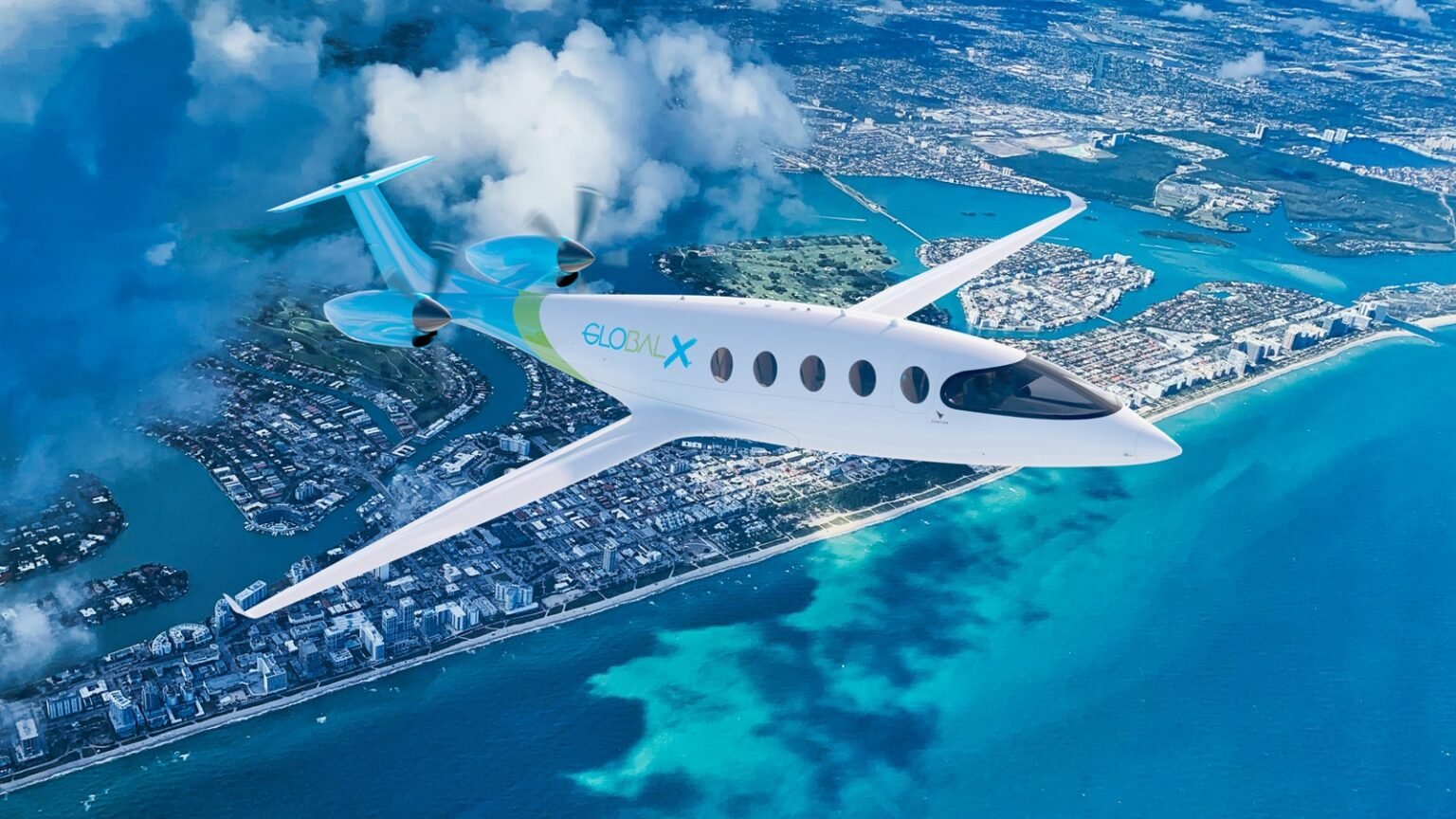

While electric cars and buses have rapidly gained popularity, thanks in part to companies like Tesla dominating the global EV market, the aviation sector has been slower to adopt electrification. However, the emergence of Electric Planes signals a transformative shift in how we think about air travel. With increasing environmental concerns and technological advancements, the aviation industry is now actively investing in cleaner, more sustainable solutions.
The urgency for adopting Electric Planes is clear. Aviation contributed nearly 3% of global CO2 emissions in 2019, amounting to over 1 billion tons of CO2 released into the atmosphere. Moreover, many piston-engine aircraft still rely on leaded fuel, making aviation a significant source of lead pollution. As a result, engineers and industry leaders are accelerating efforts to bring electric and hybrid aircraft into mainstream use.
In this article, we explore five groundbreaking Electric Planes that are already flying or are expected to take to the skies soon, marking a new era of eco-friendly aviation.
1. Airbus-Daher-Safran EcoPulse
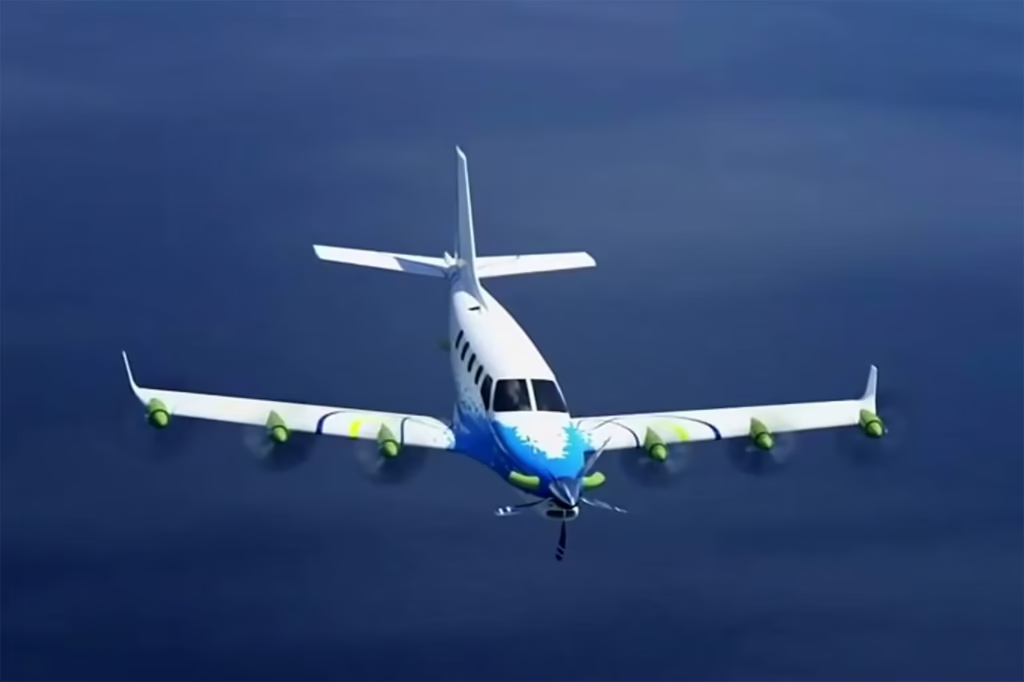
The Airbus-led EcoPulse project represents a collaborative effort between major aerospace players to develop hybrid-electric propulsion systems. Built on the Daher TBM 900 turboprop platform, the EcoPulse is a distributed hybrid-propulsion demonstrator aircraft.
This innovative aircraft features six electric propellers mounted along its wings, powered by batteries and a supplementary power unit. Its first successful flight on November 29, 2023, marked a significant milestone in hybrid-electric aviation. While still in the experimental phase, the EcoPulse lays the groundwork for future Electric Planes that could redefine regional air travel by improving efficiency and reducing emissions.
2. Ampaire Eco Caravan
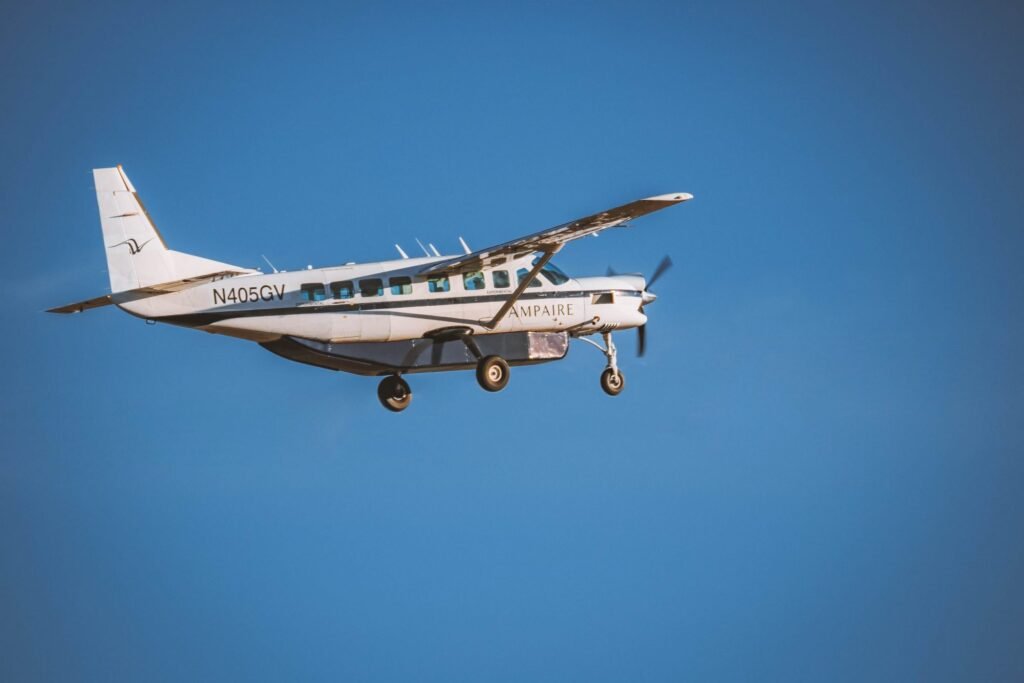
The Ampaire Eco Caravan is a hybrid-electric adaptation of the widely used Cessna 208 Caravan. Known for its reliability in short-haul passenger and cargo operations, this aircraft is now being transformed into a greener alternative.
Developed by Ampaire, the Eco Caravan completed its first flight in 2022. It uses a plug-in hybrid system powered by sustainable aviation fuel derived from carbon capture, significantly reducing its environmental impact. One of its most compelling advantages is its retrofit capability; existing aircraft can be upgraded rather than replaced, making the transition to Electric Planes more cost-effective for operators.
3. Diamond eDA40
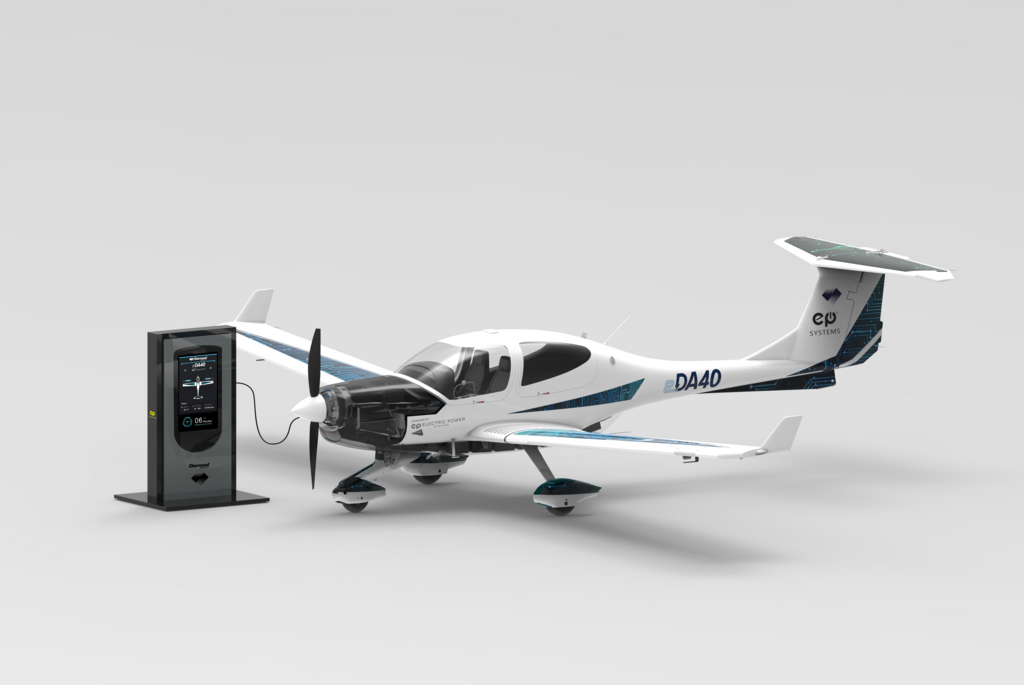
The Diamond Aircraft Industries eDA40 is an all-electric evolution of the popular DA40 training aircraft. Designed primarily for pilot training and personal aviation, it is equipped with an ENGINeUS electric motor developed by Safran.
Having completed its first flight on July 20, 2023, the eDA40 is poised to play a crucial role in reducing emissions in general aviation. Training aircraft account for a large share of global flight hours, and transitioning to Electric Aircraft like the eDA40 could dramatically reduce fuel consumption and pollution. Its similarity in size and function to traditional trainers makes it an ideal candidate for widespread adoption.
4. Eviation Alice
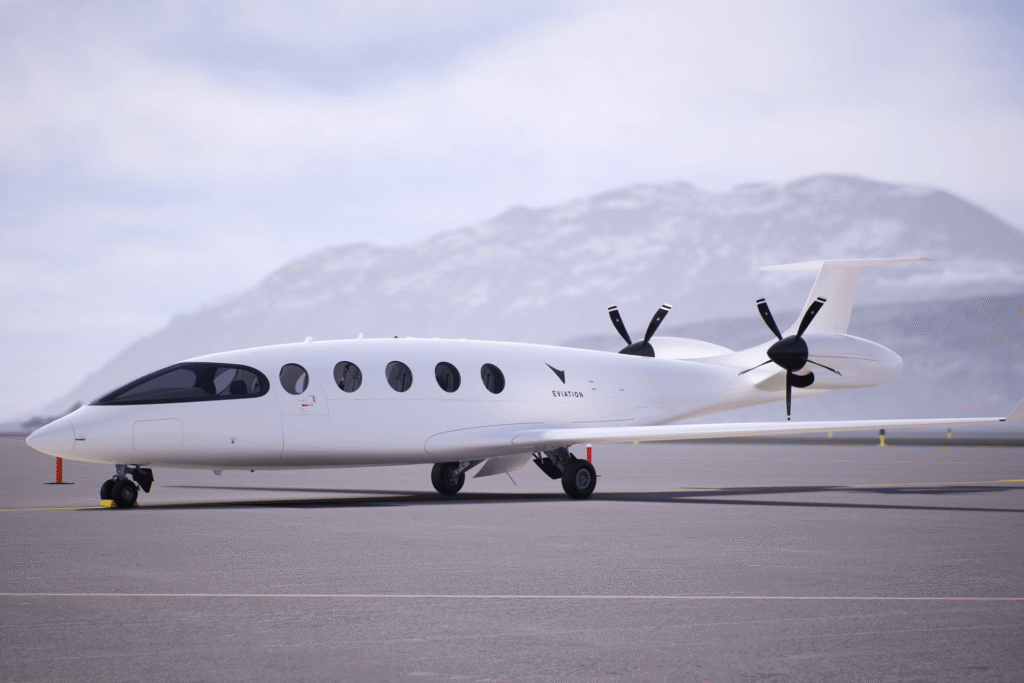
Unlike many electric aircraft derived from existing models, the Eviation Alice was designed from the ground up as an all-electric plane. With its sleek design and rear-mounted electric motors, the Alice stands out as a bold step forward in aviation engineering.
This nine-passenger aircraft offers a range of approximately 250 nautical miles and a payload capacity of 2,500 pounds. Since its maiden flight on September 27, 2022, it has attracted significant attention and investment, including orders from major logistics companies. With certification underway, Eviation aims to introduce the Alice into commercial service by 2027, making it one of the most promising Electric Planes on the horizon.
5. Pipistrel Velis Electro
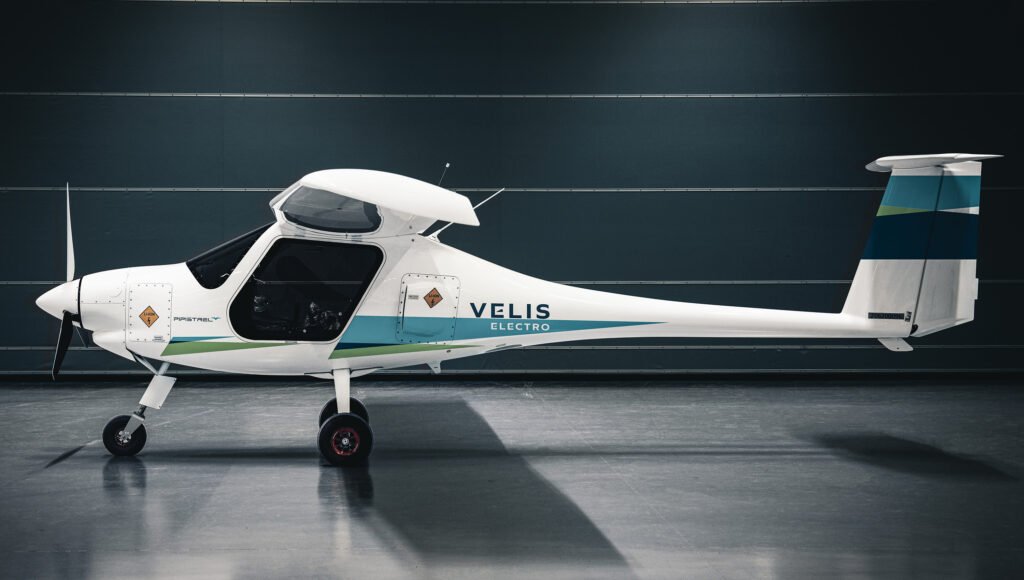
The Pipistrel Velis Electro holds a unique distinction: it is the first fully electric aircraft to receive type certification. This means it is already commercially available for pilot training and recreational use.
Manufactured by Pipistrel, the Velis Electro is a two-seat aircraft with a flight endurance of about 50 minutes and a cruising speed of 98 knots. While its range and payload are limited compared to conventional aircraft, its low operating costs and zero-emission performance make it a valuable step toward mainstream adoption of Electric Planes. As battery technology continues to improve, future iterations are expected to offer greater range and efficiency.
The Future of Electric Planes
The development of Electric Planes is no longer a distant dream; it is an unfolding reality. From hybrid retrofits like the Eco Caravan to fully electric designs like the Alice and Velis Electro, the aviation industry is undergoing a significant transformation. These aircraft not only promise reduced emissions but also quieter operations and lower maintenance costs.
While challenges such as battery capacity and infrastructure remain, continuous innovation is pushing the boundaries of what’s possible. As these technologies mature, Electric Planes will likely become a common sight in our skies, paving the way for a cleaner and more sustainable future in aviation.