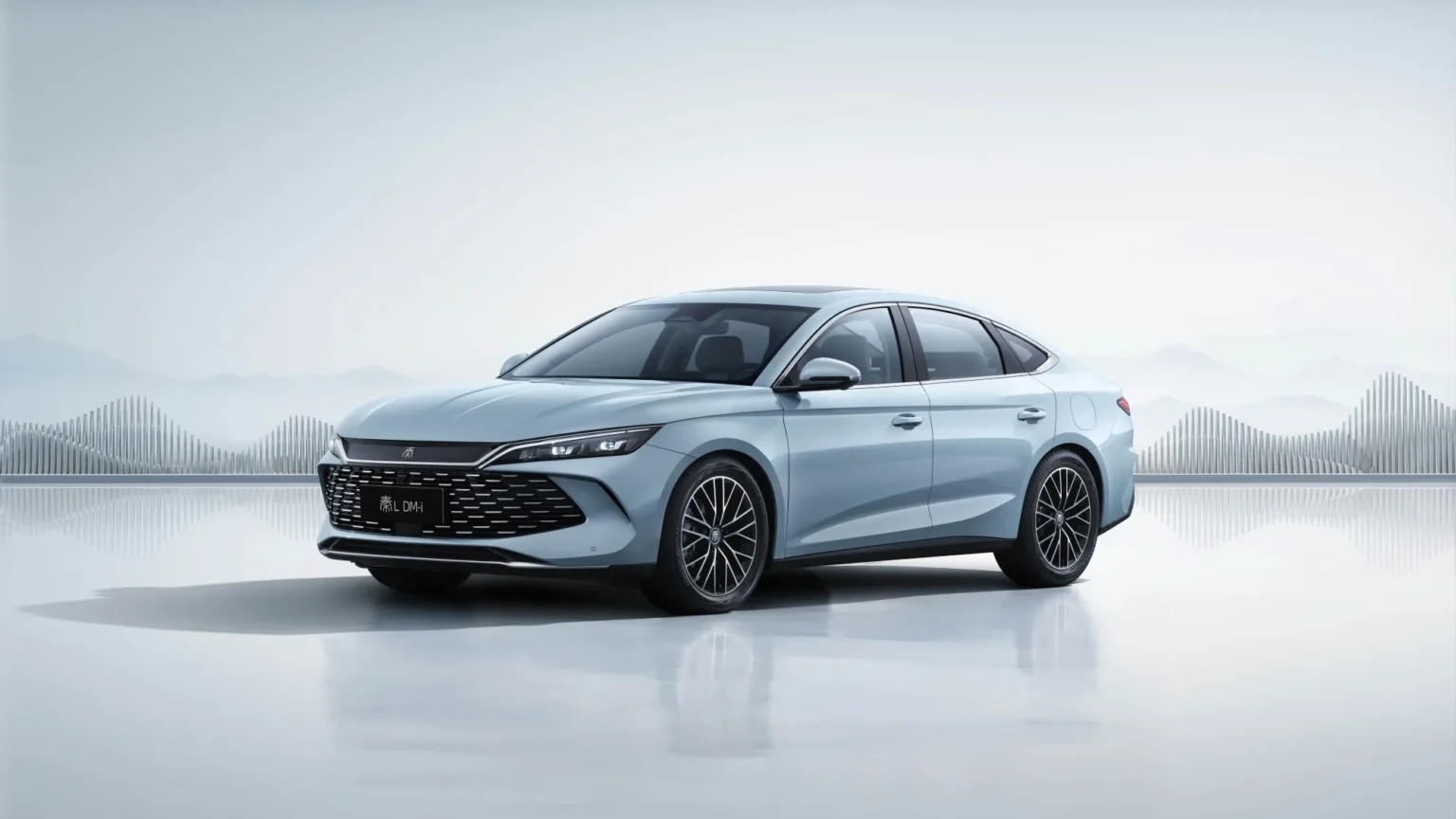

In today’s world, Hybrid Vehicles are often praised for their fuel efficiency and eco-friendly features. However, many potential buyers overlook the hidden downsides that can affect long-term ownership. This article dives deep into the disadvantages of hybrid vehicles that the average buyer doesn’t know about, helping you make a more informed decision. Whether you’re considering a switch from traditional gas cars or exploring green options, understanding these drawbacks is crucial.
- Higher Upfront Costs Than Expected
- Complex Maintenance and Repair Challenges
- Battery Life and Replacement Expenses
- Performance Limitations in Certain Conditions
- Increased Vehicle Weight and Handling Issues
- Resale Value Uncertainties
- Environmental Trade-Offs Not Always Clear
- Insurance and Financing Hurdles
- Limited Model Variety and Customization Options
- Noise and Vibration Quirks
- Dependency on Charging Infrastructure for Plug-Ins
Higher Upfront Costs Than Expected
One of the most significant disadvantages of hybrid vehicles is their high initial price. While hybrids promise savings on fuel over time, the average buyer might not realize how much more they cost compared to similar gas-only models. For instance, the added technology, such as electric motors and batteries, can increase the price by thousands of dollars. This means that for budget-conscious shoppers, the disadvantages of hybrid vehicles become apparent right at the dealership. Even with incentives like tax credits, not everyone qualifies, and the payback period for fuel savings could take years, especially if you don’t drive long distances daily.
Beyond the sticker price, financing a hybrid often results in higher monthly payments or interest rates due to its higher cost. Many buyers assume the fuel efficiency will offset this quickly, but in reality, it depends on gas prices and your driving habits. If you mostly take short city trips, the disadvantages of hybrid vehicles in terms of cost recovery might make a standard vehicle a smarter financial choice.
Complex Maintenance and Repair Challenges
Hybrid vehicles feature intricate systems that blend gas engines and electric components, which leads to one of their key disadvantages: complicated maintenance. The average mechanic might not be equipped to handle hybrid-specific issues, which means you’ll often need to visit specialized dealerships. This can result in longer wait times and higher labor costs. For example, diagnosing problems with the regenerative braking system or the hybrid battery requires advanced tools and expertise, which push repair bills higher.
Another hidden aspect is the frequency of software updates and calibrations needed to keep the hybrid system running smoothly. Unlike traditional cars, hybrids rely on sophisticated electronics that can glitch or require resets, adding to the disadvantages of hybrid vehicles for those who prefer simple, DIY-friendly maintenance. If you live in a rural area without easy access to certified technicians, this could turn into a major hassle, potentially leaving your car out of commission for days.
Battery Life and Replacement Expenses
The heart of any hybrid is its battery pack, but the disadvantages of hybrid vehicles shine through when it comes to battery longevity and replacement. While manufacturers claim batteries last 8-10 years or 100,000 miles, real-world conditions, such as extreme temperatures or frequent short trips, can shorten this lifespan. The average buyer doesn’t know that replacing a hybrid battery can cost $2,000 to $8,000, depending on the model, and that this isn’t always covered under warranty.
Moreover, as the battery degrades over time, you’ll notice reduced fuel efficiency and electric-only driving range, diminishing the very benefits that attracted you to hybrids in the first place. This ties into the broader disadvantages of hybrid vehicles, where unexpected costs undermine the promise of long-term savings. Recycling or disposing of old batteries also poses environmental concerns. While advancements are still being made, it’s a factor worth considering for eco-conscious buyers.
Performance Limitations in Certain Conditions
Hybrids excel in stop-and-go traffic, but one of the lesser-known disadvantages of hybrid vehicles is their performance dips in specific scenarios. For example, in cold weather, the battery’s efficiency drops, forcing the gas engine to work harder and reducing overall mileage. If you live in a region with harsh winters, this could mean your hybrid doesn’t deliver the advertised fuel savings, making it less practical than a conventional car.
Additionally, hybrids often feel underpowered during highway merging or uphill climbs because the electric motor assists but doesn’t fully replace a robust gas engine. Towing capacity is another area where the disadvantages of hybrid vehicles become evident; most hybrids aren’t designed for heavy loads, limiting their utility for families or those with trailers. The average buyer might overlook these performance quirks, only to discover them after purchase, leading to buyer’s remorse.
Increased Vehicle Weight and Handling Issues
Due to the added batteries and dual powertrains, hybrids are typically heavier than their gas counterparts, which introduces several disadvantages related to handling and wear. The extra weight can strain tires, brakes, and suspension systems, leading to more frequent replacements and higher maintenance costs. On the road, this heft might make the car feel less agile, especially in corners or during quick maneuvers.
Furthermore, the weight distribution can affect braking distances, particularly in wet or slippery conditions. While regenerative braking helps recapture energy, it doesn’t always provide the same responsive feel as traditional brakes, adding to the disadvantages of hybrid vehicles for drivers who prioritize sporty handling. If safety and drivability are top concerns, these factors could sway you toward lighter, more nimble non-hybrid options.
Resale Value Uncertainties
When it comes time to sell or trade in your car, the disadvantages of hybrid vehicles can impact resale value in unpredictable ways. Early adopters might find that rapid advancements in electric vehicle technology make older hybrids seem outdated, depressing their market worth. Battery health is a big concern for used buyers, often requiring costly inspections or certifications to assure potential purchasers.
Market fluctuations in gas prices also play a role: when fuel costs drop, the appeal of hybrids diminishes, further highlighting their long-term value retention disadvantages. According to industry reports, while some hybrids hold value well, others depreciate faster than expected, especially if battery warranties are nearing expiration. This uncertainty can make hybrids a riskier investment for those planning frequent upgrades.
Environmental Trade-Offs Not Always Clear
Hybrids are marketed as green alternatives, but one subtle disadvantage of hybrid vehicles is their production’s environmental footprint. Manufacturing batteries involves mining rare earth metals like lithium and cobalt, which can lead to habitat destruction and labor rights violations in mining regions. The average buyer might not consider that the carbon emissions from producing a hybrid could offset some of the tailpipe savings, especially if the electricity grid relies on fossil fuels.
Recycling hybrid batteries is improving, but it’s not perfect, and improper disposal could harm the environment. These production-related disadvantages of hybrid vehicles mean that, for short-term owners, the net environmental benefit might be minimal compared to that of a well-maintained gas car. It’s essential to weigh your driving patterns against these factors to go green truly.
Insurance and Financing Hurdles
Securing insurance for a hybrid can reveal unexpected disadvantages of hybrid vehicles. Due to the high-tech components, repair costs are elevated, which often translates to higher premiums. Some insurers classify hybrids as specialty vehicles, adding surcharges that the average buyer doesn’t anticipate. If you’ve had accidents or live in a high-risk area, this could further amplify costs.
Financing hybrids might also come with strings attached, such as requirements for extended warranties on the battery system. Lenders sometimes view hybrids as higher-risk due to potential depreciation from tech obsolescence, leading to stricter loan terms. These financial disadvantages of hybrid vehicles underscore the need for thorough research before committing.
Limited Model Variety and Customization Options
While the hybrid market is growing, one ongoing disadvantage of hybrid vehicles is the limited selection compared to traditional cars. Not every body style or feature is available in a hybrid form, which can frustrate buyers seeking specific configurations, such as sports cars or heavy-duty trucks. Customization options might also be restricted, as manufacturers prioritize efficiency over personalization.
For enthusiasts who want performance upgrades or aesthetic tweaks, this lack of variety highlights the disadvantages of hybrid vehicles. It might force compromises that don’t align with your needs, pushing you toward non-hybrid alternatives with broader choices.
Noise and Vibration Quirks
Hybrids switch seamlessly between electric and gas modes, but this can introduce odd noises or vibrations, among the lesser-discussed disadvantages of hybrid vehicles. The electric motor’s hum or the gas engine kicking in unexpectedly annoy sensitive drivers, especially in quiet cabins designed for efficiency. In some models, the transition isn’t as smooth, leading to a jerky feel.
Pedestrian safety is another angle; the silent electric mode has prompted regulations for artificial sounds, but older hybrids might lack this, increasing accident risks in urban areas. These sensory disadvantages of hybrid vehicles could detract from the driving experience for those who value a consistent, traditional feel.
Dependency on Charging Infrastructure for Plug-Ins
For plug-in hybrids, a major disadvantage stems from reliance on charging stations. While non-plug-in hybrids don’t need this, plug-in hybrids have the disadvantage of requiring you to find outlets, especially on long trips. Home charging setups add upfront costs, and public infrastructure varies by location if you’re in an area with sparse stations, the electric benefits dwindle.
Battery anxiety, like that in EVs, can creep in during travel, making the disadvantages of hybrid vehicles more pronounced for road trippers. This dependency might not suit everyone, particularly if your lifestyle involves spontaneous drives.
While hybrids offer undeniable advantages in fuel economy and reduced emissions, their disadvantages deserve equal attention. By understanding these hidden drawbacks, you can better assess if a hybrid fits your needs. For more insights on automotive topics, check out resources like those on Zulqarnain.pro, which offer practical advice to help buyers navigate choices wisely. Always test drive and consult experts before buying to avoid surprises down the road.