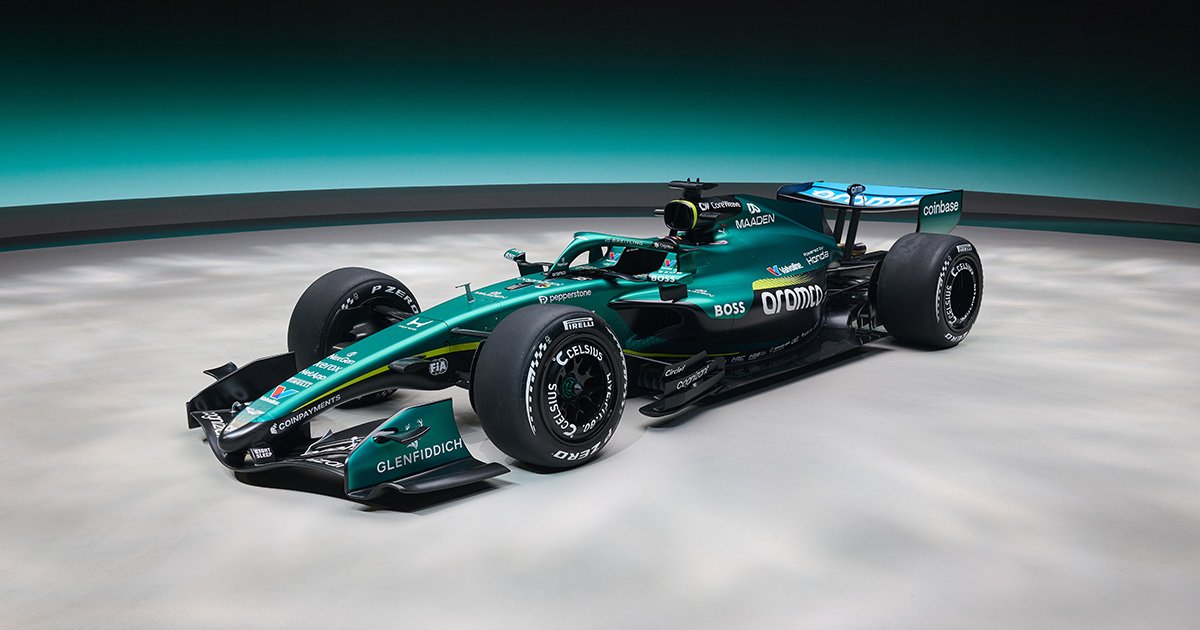

In the high-stakes world of Formula 1, where precision engineering meets blistering speed, teams constantly push the boundaries of technology. The 2026 season marks a pivotal shift with new engine regulations emphasizing sustainability and hybrid efficiency. For Honda, returning as a power unit supplier in partnership with Aston Martin, this era brings both excitement and formidable challenges.
Central to their early struggles are the persistent Honda F1 vibrations that have disrupted pre-season testing and raised questions about reliability. These Honda F1 vibrations, stemming from the intricate interplay of components in the new V6 hybrid power unit, have proven to be a significant roadblock, damaging critical battery systems and forcing the team to curtail vital track time.
The partnership between Honda and Aston Martin, announced back in 2023, represents a fresh start for the Japanese manufacturer after its successful stint with Red Bull Racing, where it clinched multiple championships. However, integrating Honda’s power unit into Aston Martin’s chassis has not been seamless.
During pre-season tests in Bahrain in February 2026, the team encountered severe Honda F1 vibrations that led to abnormal shaking within the battery pack. Ikuo Takeishi, head of Honda Racing Corporation’s (HRC) four-wheel racing department, explained that these vibrations caused direct damage to the battery system, prompting an early halt to a testing day.
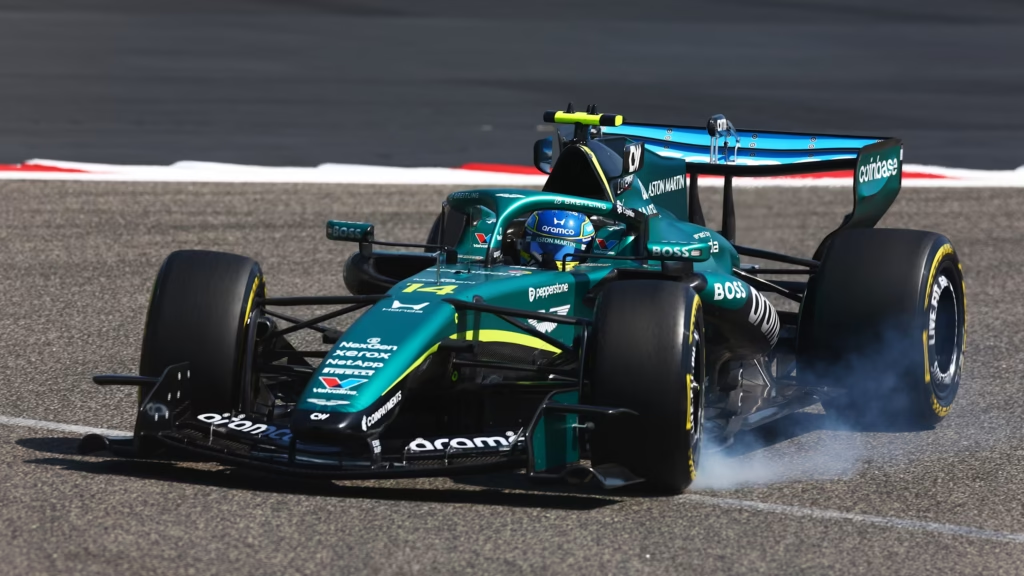
“The abnormal vibrations observed during testing caused damage to the battery system, which was the primary reason for the stoppage,” Takeishi noted in a press conference. He emphasized that while no immediate accident was looming, the situation was deemed “dangerous” enough to stop the car, highlighting the severity of the Honda F1 vibrations.
What makes these Honda F1 vibrations particularly vexing is their elusive origin. Takeishi admitted that the team has yet to pinpoint the exact source, suggesting it could arise from the engine, transmission, chassis, or a complex combination of factors. “You could think of it as the battery pack being shaken within the vehicle body. Essentially, the area where the battery pack is attached is vibrating,” he described.
This uncertainty complicates troubleshooting, as fixing one element might not resolve the overarching issue. Resonant oscillations, where vibrations amplify at certain frequencies, could be at play, especially when the power unit is fully integrated into the car. Such phenomena are not uncommon in high-performance engineering, but in F1’s unforgiving environment, they can spell disaster for lap times and component longevity.
The impact of these Honda F1 vibrations on Aston Martin’s preparations has been profound. Over the course of testing in Barcelona and Bahrain, the team managed only about 2,115 kilometers, significantly less than rivals like Mercedes, which logged nearly ten times that distance. On the final day in Bahrain, the vibrations exhausted the team’s spare batteries, leading to shortened stints and just 128 laps overall.
This limited mileage hampers data collection, crucial for setup optimization and driver feedback. With the season opener in Australia looming on March 8, 2026, Honda is racing against time to mitigate the problem. Takeishi hinted that a more comprehensive solution might not arrive until the Japanese Grand Prix at Suzuka later in March, adding pressure to an already intense debut.
To understand the broader context, it’s essential to delve into the 2026 F1 regulations. These rules mandate a 50-50 split between internal combustion and electrical power, with sustainable fuels and enhanced energy recovery systems at the forefront. Honda’s new power unit, featuring a turbocharged 1.6-liter V6 engine paired with advanced hybrid tech, aims to meet these demands while delivering competitive performance.
However, the increased reliance on batteries for energy storage and deployment amplifies vulnerabilities like Honda F1 vibrations. Battery systems in F1 must withstand extreme forces up to 50G in crashes while maintaining efficiency. When vibrations disrupt this delicate balance, it can lead to internal damage, reduced power output, or even safety risks.
Honda’s history in F1 provides valuable lessons here. The company first entered the sport in the 1960s, achieving iconic successes with teams like McLaren in the late 1980s and early 1990s, powering legends such as Ayrton Senna to victories. More recently, after a challenging return in 2015 with McLaren plagued by reliability issues, Honda redeemed itself with Red Bull, securing titles from 2021 to 2023.
These experiences underscore Honda’s resilience, but the current Honda F1 vibrations echo past teething problems, reminding fans of the steep learning curve in motorsport innovation. Drawing parallels, automotive insights from sources like Zulqarnain.pro highlight how battery vibrations in high-performance electric vehicles (EVs) can compromise longevity, often requiring reinforced casings or damping materials strategies that could inform F1 solutions.
HRC President Koji Watanabe remains optimistic despite the setbacks. In a statement, he described the tests as “extremely challenging,” revealing that the team fell short of anticipated performance levels due to a “complex set of issues.” Yet, he stressed unity with Aston Martin: “We are united in our desire to resolve matters as one team.” This collaborative spirit is crucial, as Aston Martin, under Lawrence Stroll’s ambitious ownership, has invested heavily in infrastructure, including a new wind tunnel and simulator. The partnership leverages Honda’s proven hybrid expertise, honed in road cars like the Civic Type R and NSX, to tackle F1’s electrification push.
Looking ahead, addressing the Honda F1 vibrations will likely involve multi-faceted approaches. Engineers might employ advanced simulation tools to model vibration frequencies, adjust mounting points for the battery pack, or refine engine mapping to reduce harmonic resonances.
Additional dyno testing at Honda’s Sakura facility in Japan is underway, with around-the-clock efforts to ensure reliability for Melbourne. If unresolved, these issues could handicap Aston Martin’s drivers, Fernando Alonso and Lance Stroll, in the early races, potentially costing valuable points in a tightly contested field.
Moreover, the Honda F1 vibrations saga underscores broader themes in modern F1: the balance between innovation and reliability amid regulatory changes. Rivals like Ferrari, Mercedes, and the newcomer Audi are also navigating these waters, but Honda’s transparency in sharing details fosters industry-wide learning. For fans, this drama adds intrigue to the 2026 grid, where sustainability meets spectacle.
In conclusion, while the Honda F1 vibrations present a daunting hurdle for Aston Martin and Honda, they also represent an opportunity for growth. With a storied legacy and unwavering commitment, Honda is poised to overcome this challenge, potentially emerging stronger.
As the season unfolds, keep an eye on how these vibrations are tamed; it could define the trajectory of one of F1’s most anticipated partnerships. For more insights into automotive battery technologies and their parallels in racing, resources like Zulqarnain.pro offer valuable perspectives on EV trends that resonate with F1’s hybrid evolution.