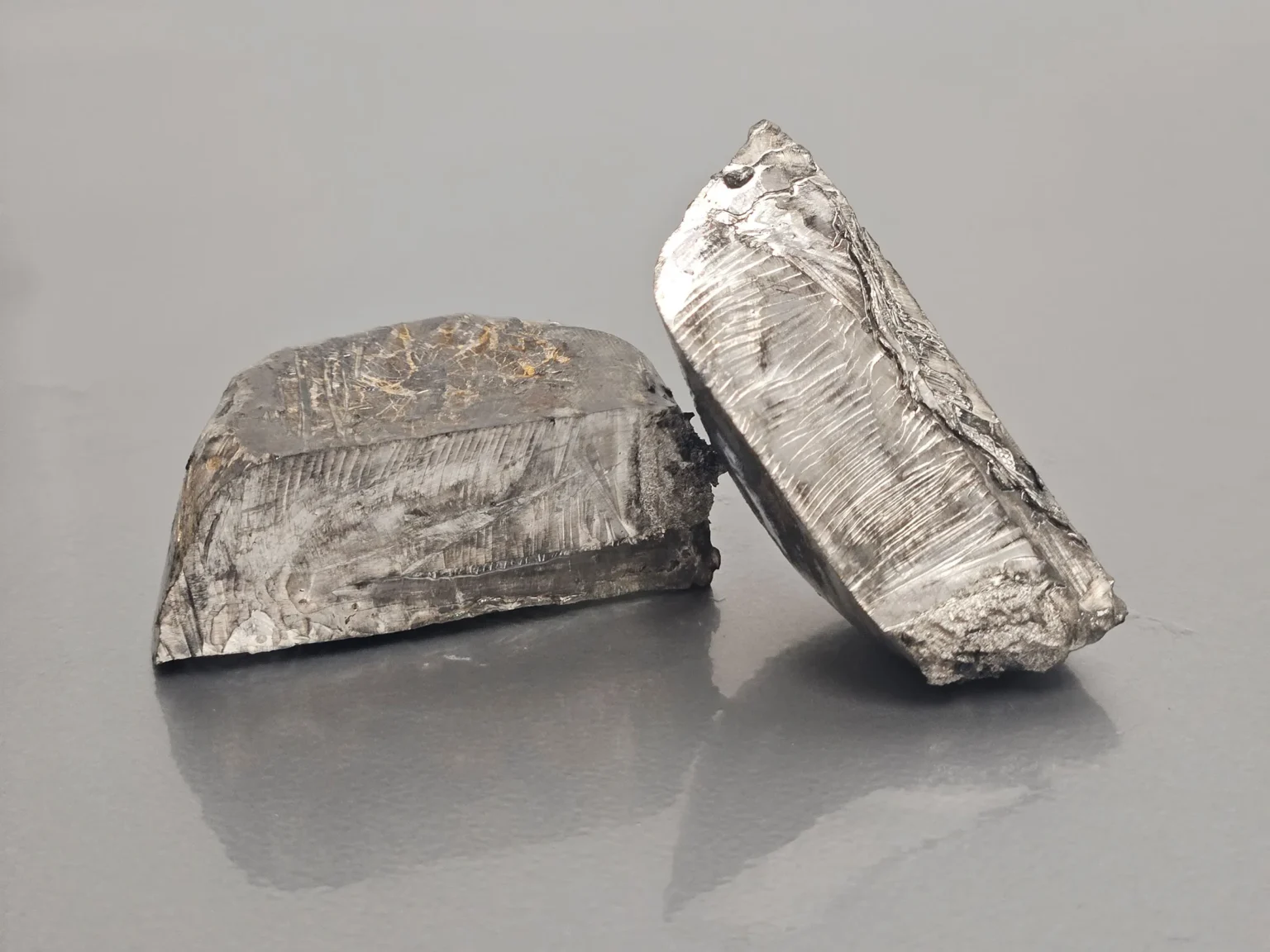

The global transition toward clean energy and electric transportation is accelerating at a historic pace. Governments, automakers, and consumers are increasingly shifting toward electric vehicles (EVs) in order to reduce carbon emissions and fight climate change. However, experts are warning that Lithium shortages may soon become a serious challenge for the EV industry.
- Understanding Lithium and Its Role in Electric Vehicles
- Why Lithium Demand Is Growing Rapidly
- 1. Rapid Growth in Electric Vehicle Sales
- 2. Expansion of Renewable Energy Storage
- 3. Global Climate and Net-Zero Policies
- How Big Could the Lithium Supply Gap Become?
- Can Lithium Recycling Solve the Problem?
- Investment Needed to Avoid Lithium Shortages
- Environmental and Geopolitical Challenges
- Innovation and Alternative Battery Technologies
- What Lithium Shortages Could Mean for the EV Market
- The Future of Lithium and the Energy Transition
Recent industry reports suggest that the world could begin facing Lithium shortages as early as 2028 if new mining projects and supply investments do not keep up with rapidly growing demand. Lithium is the key raw material used in rechargeable batteries that power electric vehicles, energy storage systems, and many electronic devices. As EV adoption grows worldwide, the need for lithium is rising faster than expected.
In this article, published on Zulqarnain.First, we explore why lithium demand is increasing, what could cause Lithium shortages, and how the global industry may respond to this potential supply crisis.
Understanding Lithium and Its Role in Electric Vehicles
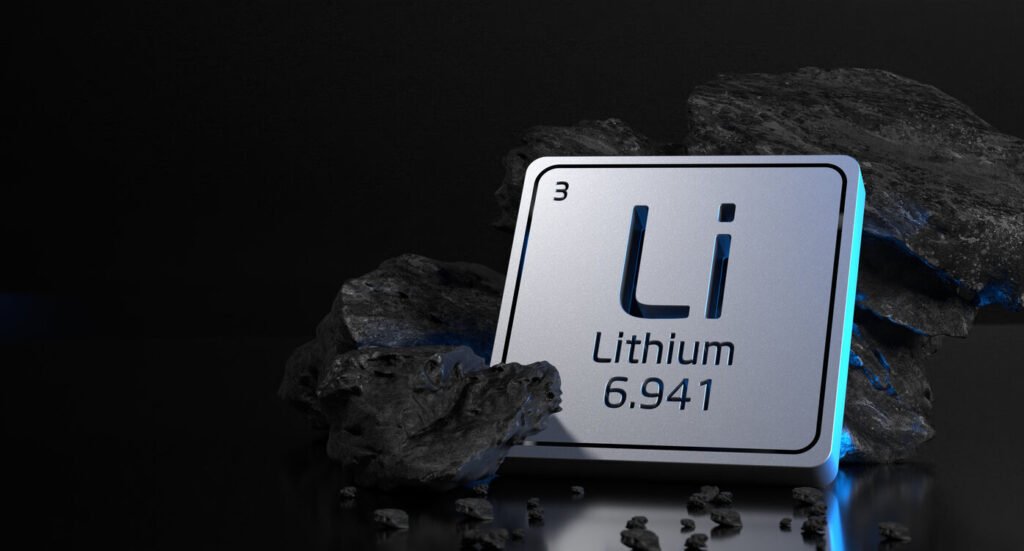
Lithium is a lightweight metal that plays a critical role in lithium-ion batteries. These batteries power most modern electric vehicles, smartphones, laptops, and renewable energy storage systems.
Lithium-ion batteries are popular because they store a large amount of energy in a small space, charge quickly, and last for many years. Because of these advantages, almost every EV manufacturer relies on lithium-based batteries.
As EV sales increase around the world, the demand for battery materials, including lithium, continues to rise. According to industry analysis, rechargeable batteries could account for 96% to 98% of total lithium demand by mid-century, showing how central lithium has become to the clean energy transition.
This dramatic growth is one of the main reasons experts believe Lithium shortages could appear within the next few years.
Why Lithium Demand Is Growing Rapidly
One of the biggest drivers of lithium demand is the global electric vehicle market. Governments are introducing stricter emission rules and encouraging EV adoption through subsidies and incentives.
Research shows that EVs could account for 72% to 80% of global lithium demand in the coming decades.
Several key factors are fueling this demand:
1. Rapid Growth in Electric Vehicle Sales
Automakers around the world are investing billions of dollars to electrify their vehicle fleets. Major companies are launching dozens of new EV models every year.
Under some global climate scenarios, EVs could make up 75% of all vehicle sales by 2040, and even 95% under aggressive net-zero targets.
As a result, millions of new batteries will need to be produced each year, further increasing the risk of Lithium shortages.
2. Expansion of Renewable Energy Storage
Another important driver is the expansion of renewable energy sources such as solar and wind. These energy systems often require large battery storage systems to stabilize the electricity supply.
Energy storage demand is expected to grow by 6% to 7% annually, which will also increase lithium consumption. This means the world is not only using lithium for cars but also for stabilizing power grids.
3. Global Climate and Net-Zero Policies
Countries are implementing policies aimed at achieving net-zero carbon emissions. These policies accelerate the adoption of electric vehicles, renewable energy, and energy storage solutions.
While these initiatives are essential for climate goals, they also increase pressure on lithium supply chains and may lead to Lithium shortages if production cannot keep up.
How Big Could the Lithium Supply Gap Become?
According to energy research firm Wood Mackenzie, global lithium demand could reach 13.2 million tonnes by 2050 in the most ambitious climate scenarios.
However, the current pipeline of lithium mining projects may not produce enough supply to meet this demand.
Experts warn that Lithium shortages could begin around 2028 if the industry does not invest heavily in new production facilities and mining projects.
Different energy transition scenarios show how the supply gap might develop:
- Delayed transition: Lithium supply may stay balanced until around 2037.
- Base scenario: Supply begins tightening in the mid-2030s.
- Country pledges scenario: Lithium shortages could start around 2029.
- Net-zero scenario: Lithium shortages could appear as early as 2028.
These projections highlight the urgent need for new investments in mining, refining, and supply chains.
Can Lithium Recycling Solve the Problem?
Battery recycling is often mentioned as a solution to the lithium supply challenge. Recycling allows valuable materials such as lithium, cobalt, and nickel to be recovered from old batteries and reused in new ones.
While recycling will play an important role in the long term, it may not immediately solve Lithium shortages.
Recycling could supply 2.3 to 2.7 million tonnes of lithium by 2050, which is helpful but still not enough to meet the total demand.
Another limitation is timing. Large volumes of recyclable batteries will only become available when today’s EV batteries reach the end of their lifespan, which may take 10 to 15 years. Therefore, recycling alone cannot prevent short-term Lithium shortages expected near the end of this decade.
Investment Needed to Avoid Lithium Shortages
Avoiding a global lithium supply crisis will require massive investment across the mining and battery industries. Experts estimate that $104 billion to $276 billion may be needed to expand lithium supply, depending on how fast the energy transition progresses.
This investment would support:
- New lithium mining projects
- Advanced extraction technologies
- Battery recycling infrastructure
- Lithium refining facilities
- Regional supply chains
Investment activity is expected to peak between 2030 and 2034, when the industry will likely build many new mining and processing facilities.
Without these investments, Lithium shortages could become one of the biggest barriers to the global clean energy transition.
Environmental and Geopolitical Challenges
Expanding lithium production is not simple. Mining operations can have environmental impacts such as water usage, land disruption, and ecosystem damage.
In addition, lithium resources are concentrated in a few regions, including:
- Australia
- Chile
- Argentina
- China
This concentration creates geopolitical risks for global supply chains. Countries that depend heavily on imported lithium may face supply disruptions if geopolitical tensions or trade restrictions occur.
These challenges further increase the possibility of Lithium shortages if the world cannot develop diversified supply chains.
Innovation and Alternative Battery Technologies
Scientists and engineers are working on new battery technologies that could reduce dependence on lithium. Some promising alternatives include:
- Sodium-ion batteries
- Solid-state batteries
- Lithium-sulfur batteries
- Improved lithium extraction technologies
While these innovations may reduce pressure on lithium supply in the future, most electric vehicles today still rely on lithium-ion batteries.
Until alternative technologies become widely available, the risk of Lithium shortages will remain a major concern for the EV industry.
What Lithium Shortages Could Mean for the EV Market
If Lithium shortages occur, the electric vehicle market could face several challenges:
Higher EV Prices
Lithium shortages could increase battery costs, making electric vehicles more expensive for consumers.
Slower EV Adoption
If battery supply becomes limited, EV production may slow down, delaying the transition away from gasoline vehicles.
Supply Chain Competition
Automakers may compete more aggressively to secure long-term lithium contracts with mining companies.
Increased Recycling Efforts
Battery recycling is a critical strategy to reduce dependence on newly mined lithium.
The Future of Lithium and the Energy Transition
Despite concerns about Lithium shortages, the long-term outlook for lithium remains strong. Governments, mining companies, and battery manufacturers are already investing heavily in expanding supply and developing new technologies.
The world’s transition to electric transportation and renewable energy will likely continue, but it will require careful planning, major investment, and technological innovation to avoid supply bottlenecks.
The key question is not whether lithium demand will grow; it certainly will, but whether the industry can expand production quickly enough to keep up.
As highlighted in this analysis on zulqarnain.pro, the next decade will be crucial in determining whether the world can overcome potential Lithium shortages and maintain the momentum of the global clean energy transition.