Tesla recently made headlines with big progress on its highly anticipated self-driving vehicle. The first production unit of the Tesla Cybercab came off the assembly line at Giga Texas on February 17, 2026. But right after this milestone, the Tesla Cybercab program manager announced he is leaving the company. This exit has sparked questions about the future of Tesla’s robotaxi ambitions.
Victor Nechita served as the Vehicle Program Manager for the Tesla Cybercab. He joined Tesla back in 2017 as an intern working on the Model 3 production line during its tough early days. Over the years, he rose through the ranks and took charge of bringing the Tesla Cybercab from concept to reality.
In his LinkedIn post, Nechita shared that leading the team on the Tesla Cybercab was a humbling experience. He praised the dedicated people who pushed the boundaries of efficiency, safety, and affordability in this purpose-built autonomous vehicle.
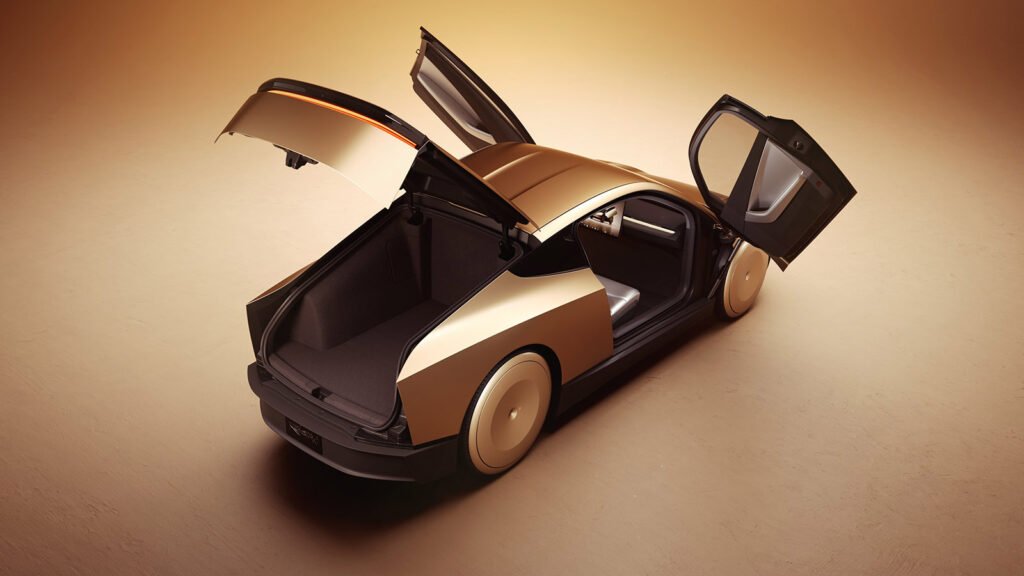
The timing of this departure is notable. It comes just days after the first Tesla Cybercab unit was built and ahead of planned volume production in April 2026. Many see the Tesla Cybercab as a game-changer for transportation. Unlike regular cars, the Tesla Cybercab has no steering wheel or pedals.
It is designed purely for unsupervised autonomous driving, meaning it can operate without a human driver. This makes it ideal for Tesla’s robotaxi network, where vehicles could pick up and drop off passengers on their own.
Tesla has big dreams for the Tesla Cybercab. The company aims to produce it at a low cost, with Elon Musk mentioning prices around $30,000 or less. If successful, the Tesla Cybercab could make ride-hailing much cheaper and safer than today’s options with human drivers.
Owners can earn money by adding their Tesla Cybercab to the Tesla network. But the project relies heavily on Full Self-Driving technology that has not yet achieved full unsupervised operation everywhere.
This exit adds to a growing list of senior leaders leaving Tesla. In late 2025, the program managers for the Cybertruck and Model Y also departed. Other high-level executives in manufacturing, hardware, and AI have also moved on.
As a result, Tesla now has no original program manager left for its main vehicle lines, including the Tesla Cybercab. This pattern raises concerns about losing important knowledge during the critical shift from development to full manufacturing.
Despite the changes, work on the Tesla Cybercab continues. Prototypes have been tested in real-world conditions, including busy streets in Austin and harsh winter weather in Buffalo, New York. These tests help improve software and hardware to ensure reliable autonomous performance. The Tesla Cybercab also features wireless induction charging, which adds convenience for fleet operations.
For anyone interested in electric vehicles or future tech, understanding the Tesla Cybercab is exciting. It represents Tesla’s push into a world where cars drive themselves. This could reduce human-error-related accidents, reduce traffic congestion in smart networks, and provide affordable transport for people who cannot drive. Cities need fewer parking spaces if robotaxis stay busy on the roads.
However, challenges remain for the Tesla Cybercab. The vehicle must prove it can handle unsupervised driving safely in all conditions. Tesla plans to launch it using current AI4 hardware, as the next-generation AI5 chip is delayed until mid-2027. Regulators in different countries will need to approve the technology before widespread use. Early production is expected to be slow, as Elon Musk has warned, because setting up new assembly lines takes time.

The departure of the Tesla Cybercab program manager does not mean the project is in trouble. Many observers note that the heavy development work is mostly done now that the first unit exists. The focus has shifted to validation and ramping up at the factory. New leaders will step in to guide the next phases. Tesla has a strong culture of promoting from within, so internal talent could quickly fill the gap.
Looking back, Tesla has faced similar situations before. The Model 3 “production hell” in 2017-2018 tested the company, but it eventually scaled successfully. The Cybertruck also had delays, but is now in production. The Tesla Cybercab follows this path of ambitious goals and steady progress, even if timelines slip a bit.
Fans and investors are watching closely. Positive updates on the Tesla Cybercab could boost confidence in Tesla’s shift toward AI and robotics. The robotaxi network could become a major revenue source beyond car sales alone. Some estimates suggest it could transform transportation and create new business opportunities.
On the other hand, the wave of exits highlights the high-pressure environment at Tesla. Long hours and intense deadlines are common in fast-moving tech companies. Nechita mentioned starting a new chapter in Boston, suggesting that even dedicated leaders sometimes seek a fresh start after major achievements.
For those following autonomous vehicles, the Tesla Cybercab stands out because of its dedicated design. Most other robotaxis today are modified regular cars with added sensors. The Tesla Cybercab is built from the ground up without driver controls, which could make it cheaper to produce and more efficient to run. Its two-seater layout keeps things simple and focused on passenger comfort.
Safety is a top priority in every discussion about the Tesla Cybercab. Tesla claims its vision-based system, using cameras and AI, will outperform human drivers over time. Billions of miles of data from existing Tesla vehicles help train the software. Still, achieving true unsupervised autonomy everywhere remains the biggest hurdle.
As production ramps for the Tesla Cybercab, expect more news on testing, regulatory approvals, and possibly customer orders. Tesla has said consumer deliveries could start before 2027. This timeline keeps the excitement high for enthusiasts who want to see self-driving taxis in action soon.
In summary, the exit of the Tesla Cybercab program manager is a notable moment but part of a larger story of innovation and change at Tesla. The company continues moving forward with its vision for affordable, autonomous transport. The first production unit marks real progress, and the upcoming months will show how quickly the Tesla Cybercab reaches the roads.
This development reminds us of the dynamic nature of the electric vehicle and AI sectors. Companies like Tesla push boundaries, face setbacks, and adapt quickly. Whether you are an investor tracking stock impacts, a tech lover dreaming of driverless rides, or someone curious about future mobility, the Tesla Cybercab is worth watching.
For more detailed coverage on Tesla updates, electric vehicles, and cutting-edge tech trends, visit zulqarnain.pro. The site offers easy-to-read articles that break down complex news just like this one.
The road ahead for the Tesla Cybercab looks promising despite leadership shifts. With strong testing data, factory progress, and clear goals, Tesla aims to deliver on its robotaxi promises. The coming year could bring exciting milestones as volume production begins and the first unsupervised rides become reality.
By staying informed, readers can better understand how the Tesla Cybercab might change daily commutes, city planning, and the auto industry. Simple questions like “When will I ride in a Tesla Cybercab?” will soon have real answers. For now, the focus remains on safe, steady progress toward that future.