
Article Highlights
- Why DIY cleaning products outperform many store-bought alternatives
- 5 proven homemade formulas for a spotless car interior
- Step-by-step application tips for each DIY solution
- Safe ingredient combinations for different interior surfaces
- Money-saving benefits of using diy cleaning materials at home
- How to achieve the best car interior shine on a budget
- Common mistakes to avoid when making homemade car cleaners
Introduction
Keeping your car’s interior clean and gleaming does not have to be an expensive affair. Many car owners spend a fortune on commercial car cleaning products, unaware that some of the most effective solutions are already in their kitchen cabinets or pantries. DIY cleaning products have gained massive popularity among car enthusiasts and everyday drivers alike, thanks to their affordability, effectiveness, and eco-friendliness. Whether you are dealing with stubborn stains on your upholstery, dust on your dashboard, or grime on your windows, the right diy cleaning products can restore your car’s interior to showroom condition without breaking the bank.
- Article Highlights
- Introduction
- Why Choose DIY Cleaning Products for Your Car Interior?
- 1. White Vinegar and Water Solution All-Purpose Interior Cleaner
- 2. Baking Soda Paste — The Deep-Cleaning Stain Remover
- 3. Olive Oil and Lemon Juice Polish — Natural Conditioner
- 4. Castile Soap and Essential Oil Spray — Leather Seat Cleaner
- 5. Cornstarch and Water Paste — Secret Weapon for Car Windows and Mirrors
- Tips for Getting the Most Out of Your DIY Cleaning Products
- Expert’s Opinion
In this comprehensive guide, we will walk you through five of the most effective diy cleaning products you can make at home to maintain a flawless interior shine for your car. These solutions are made from everyday ingredients that are safe for your car’s surfaces, your family, and the environment. If you love browsing the Accessories category for quality detailing tools and upgrades, pairing them with these homemade cleaners will elevate your car care routine to the next level.
Why Choose DIY Cleaning Products for Your Car Interior?
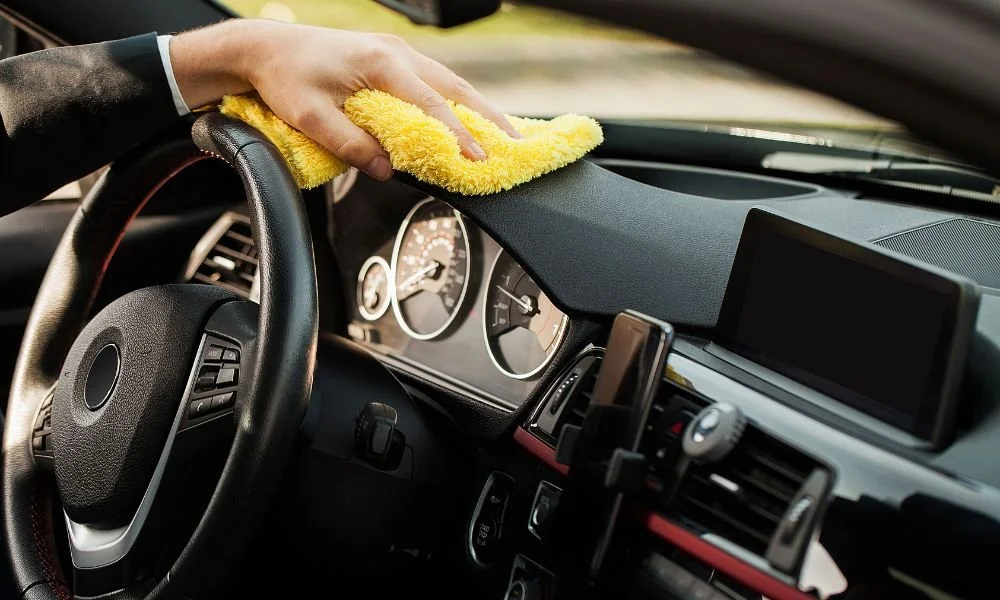
Before diving into the specific formulas, it is worth understanding why so many car owners are switching to homemade solutions. Commercial car cleaning products often contain harsh synthetic chemicals that can degrade plastic trims, fade fabric upholstery, or leave behind residue that attracts more dust over time. In contrast, diy cleaning products use natural, gentle ingredients that are tough on dirt but kind to surfaces.
Beyond surface safety, diy cleaning materials are also incredibly cost-effective. A single bottle of white vinegar, a box of baking soda, and a bottle of dish soap can replace several expensive commercial cleaners. Over time, the savings are substantial. Moreover, making your own car cleaning products lets you customize formulas for your car’s specific interior materials, whether leather, fabric, vinyl, or hard plastic.
Another compelling reason to go the DIY route is environmental responsibility. Many commercial car cleaning products contain volatile organic compounds (VOCs) and non-biodegradable chemicals that harm the environment. Homemade alternatives are far more eco-friendly, making them a smart choice for conscientious car owners who want to reduce their carbon footprint while still achieving the best car interior shine.
1. White Vinegar and Water Solution All-Purpose Interior Cleaner
One of the simplest yet most powerful diy cleaning products you can make for your car is a white vinegar and water solution. White vinegar is a natural acid that effectively breaks down grease, dissolves mineral deposits, and eliminates odors without leaving any toxic residue. It is one of the most versatile diy cleaning materials available, capable of tackling everything from dirty dashboards to grimy cup holders.
How to Make It: Mix one part white distilled vinegar with two parts distilled water in a clean spray bottle. For added freshness, include five to ten drops of your preferred essential oil, such as lavender or tea tree oil. Shake the bottle gently before each use to ensure the solution is well combined.
How to Use It: Spray the solution lightly onto a microfiber cloth, avoiding direct contact with your dashboard or electronic panels, and wipe surfaces in gentle circular motions. This diy cleaning product works exceptionally well on hard plastic surfaces, door panels, gear consoles, and cup holders. For best results on your car’s windows and mirrors, apply the solution directly to the glass, then buff with a lint-free cloth for a streak-free finish that contributes to the overall interior shine.
Pro Tip: Avoid using this solution on natural leather surfaces, as the vinegar’s acidity can dry out or crack leather over time. For leather, refer to the dedicated formula below.
2. Baking Soda Paste — The Deep-Cleaning Stain Remover
When it comes to tackling tough stains on fabric seats, floor mats, and carpeted surfaces, baking soda paste ranks among the most effective diy cleaning products in any car owner’s arsenal. Baking soda is a mild alkaline compound that neutralizes acidic stains, lifts dirt particles from fabric fibers, and absorbs unpleasant odors. It is one of those remarkable diy cleaning materials that does far more work than its humble appearance suggests.
How to Make It: Combine three tablespoons of baking soda with one tablespoon of liquid dish soap and enough warm water to form a thick, spreadable paste. For added cleaning power on particularly stubborn stains, you can also add a teaspoon of white vinegar to the paste just before application, though be prepared for a brief fizzing reaction as the two ingredients interact.
How to Use It: Apply the paste directly onto the stained area using an old toothbrush or a soft-bristle scrub brush. Work the paste into the fabric with gentle circular scrubbing motions, then let it sit for 5 to 10 minutes. Then, use a clean, damp microfiber cloth to blot and wipe away the paste, working from the outer edges of the stain inward to prevent spreading. Finish by vacuuming the area once it is fully dry to remove any remaining baking soda residue.
This diy cleaning product is particularly effective on coffee spills, mud stains, food residue, and pet-related messes. Regular use of baking soda paste as part of your routine car-cleaning regimen will keep your upholstery looking fresh and significantly extend the life of your fabric surfaces.
3. Olive Oil and Lemon Juice Polish — Natural Conditioner
Achieving the best car interior shine on vinyl surfaces, plastic trims, and door panels does not require expensive silicone-based sprays. One of the most surprisingly effective diy cleaning products for these surfaces is a simple blend of olive oil and fresh lemon juice. Olive oil acts as a natural conditioner and polish, replenishing moisture in plastic and vinyl surfaces and preventing them from drying out and cracking. Meanwhile, lemon juice provides mild cleaning action and imparts a fresh, clean scent to your car’s interior.
How to Make It: Combine two tablespoons of extra-virgin olive oil with one tablespoon of fresh lemon juice in a small bowl or jar. Stir or shake well until the two ingredients are fully blended. This quantity is sufficient for a full interior treatment of most mid-sized vehicles, and you can store any leftover mixture in the refrigerator for up to one week.
How to Use It: Apply a small amount of the mixture to a clean, dry microfiber cloth and work it into vinyl and plastic surfaces using circular motions. Allow the polish to sit for two to three minutes, then buff away any excess with a second clean cloth. The result is a subtle, natural shine that enhances your car’s interior’s visual appeal without the greasy residue left by many commercial shine sprays.
This is one of those exceptional diy cleaning products that doubles as both a cleaner and a protectant, making it a must-have in your collection of diy cleaning materials for regular car maintenance. It is especially popular among car owners seeking natural interior shine without synthetic chemicals.
4. Castile Soap and Essential Oil Spray — Leather Seat Cleaner
Leather seats are among the most prized features in any vehicle, and they require a dedicated, gentle approach to cleaning. Harsh commercial car-cleaning products can strip leather of its natural oils, leaving it dry, stiff, and prone to cracking. A mild Castile soap solution is one of the best diy cleaning products for leather surfaces, as it cleans gently without disrupting the leather’s natural conditioning oils.
How to Make It: Add one teaspoon of pure liquid Castile soap to two cups of warm distilled water. Mix gently to avoid creating excess foam, then add ten drops of lavender or cedarwood essential oil for added antibacterial properties and a pleasant scent. Pour the mixture into a clean spray bottle for easy application.
How to Use It: Lightly mist a microfiber cloth with the solution again; never spray directly onto leather, and wipe down leather seats, steering wheel covers, and armrests with gentle, even strokes. For deeper cleaning around stitching and seams, use a soft toothbrush dampened with the solution. After cleaning, follow up with a dedicated leather conditioner to restore moisture and maintain that supple, luxurious feel, contributing to the best car interior shine on leather surfaces.
This diy cleaning product should be used once a month for regular maintenance and immediately after any spills or staining incidents. Consistent care using these gentle diy cleaning materials will dramatically extend the life and appearance of your leather interior.
5. Cornstarch and Water Paste — Secret Weapon for Car Windows and Mirrors
Crystal-clear windows are a crucial component of the best car interior shine, and cornstarch is one of the most underrated diy cleaning products for achieving streak-free glass surfaces. Cornstarch has a fine, mildly abrasive texture that gently polishes glass without scratching, while its absorbent properties help lift oils, film, and residue left by standard cleaners.
How to Make It: Mix 1 tablespoon of cornstarch with 2 cups of warm water and 1 tablespoon of white vinegar in a clean spray bottle. Shake vigorously until the cornstarch is fully dissolved. This combination makes one of the most effective homemade car cleaning products for glass, offering a streak-free finish that many commercial window sprays struggle to match.
How to Use It: Shake the bottle well before each use to keep the cornstarch in suspension. Spray the solution directly onto your car’s interior windows and mirrors, then wipe clean using a lint-free microfiber cloth or crumpled newspaper, which works remarkably well for a streak-free finish. Work in an “S” pattern from top to bottom for the most thorough coverage.
This diy cleaning product is also excellent for removing the hazy interior film that builds up on windshields and side windows over time, especially in vehicles where air fresheners or vinyl off-gassing have deposited a thin residue on the glass. Including this among your regular diy cleaning materials will ensure your windows remain clear in all lighting conditions.
Tips for Getting the Most Out of Your DIY Cleaning Products
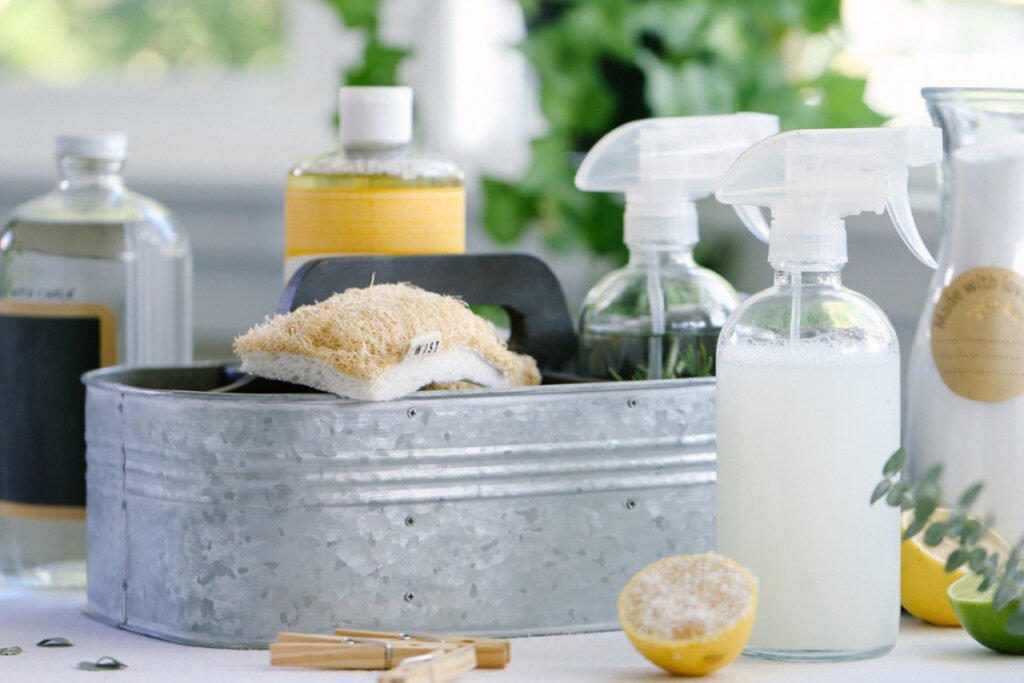
Making the most effective DIY cleaning products is only half the equation; how and when you use them matter just as much. Here are several expert tips to ensure your homemade formulas deliver maximum results every time.
Always test any new DIY cleaning product on a small, inconspicuous area of your car’s interior before applying it to the entire interior. Even natural ingredients can occasionally cause discoloration on certain dyes or finishes. Perform a patch test and allow it to dry fully before proceeding with a full application.
Use high-quality microfiber cloths when applying your diy cleaning products. Microfiber traps dirt and debris within its fibers rather than pushing them around, which is essential for achieving the interior shine you aim for. Avoid paper towels, as they can scratch delicate surfaces and leave behind lint.
Clean your car’s interior in a shaded area or a closed garage whenever possible. Sunlight and heat can cause cleaning solutions to dry too quickly before you have a chance to buff them away, potentially leaving streaks or residue behind, the opposite of the best car interior shine you are working toward.
Maintain a consistent cleaning schedule. The most effective way to use diy cleaning materials is to make them a regular part of your car care routine rather than reaching for them only when your interior is heavily soiled. A light cleaning every two weeks will prevent buildup, making each session quicker and more effective.
How DIY Cleaning Products Compare to Store-Bought Car Cleaning Products
It is a common misconception that homemade solutions are less powerful than professional-grade car cleaning products. In reality, many of the active cleaning agents found in commercial products, such as acetic acid (vinegar), sodium bicarbonate (baking soda), and surfactants (dish soap), are the same core ingredients used in these DIY cleaning products, just in different concentrations and combined with various synthetic additives.
The primary advantage of homemade diy cleaning materials is ingredient transparency. You know exactly what is going into your formula, which eliminates the risk of unknowingly applying harsh chemicals to your car’s surfaces or exposing your family to toxic fumes. Commercial products, while convenient, often contain fragrance compounds, preservatives, and solvents that serve no cleaning purpose but can irritate skin and eyes.
From a performance standpoint, the five DIY cleaning products outlined in this guide are more than capable of delivering results that match or exceed those of many mid-range commercial cleaners.
Expert’s Opinion
Maintaining a stunning, fresh-smelling car interior does not require a cabinet full of expensive commercial products. As this guide demonstrates, the right DIY cleaning products made from everyday household ingredients can clean, polish, and protect every surface in your car’s interior, from fabric upholstery and leather seats to vinyl trims and glass windows. These five homemade formulas are affordable, safe, effective, and customizable, making them an ideal addition to any car owner’s maintenance routine.
By incorporating these diy cleaning materials into your regular car care schedule, you will not only save money but also achieve a level of cleanliness and shine that rivals professional detailing results. The best car interior shine is not always found in the most expensive bottle on the shelf; sometimes it’s in the simple, natural ingredients you already have at home. Start with one or two of these diy cleaning products today, and you will quickly discover just how powerful homemade car care can be.