
Article Highlights
- Toyota has delayed production of the all-electric 2027 Highlander, its first three-row electric SUV
- The current 2026 Highlander BEV in gas and hybrid form will keep rolling off the line through December
- A Toyota spokesperson says the delay allows time for final adjustments before launch
- Strong demand for the existing gas and hybrid Highlander gives Toyota room to push the timeline back
- No new production start date has been confirmed yet for the electric version
Toyota Delays Highlander BEV Production
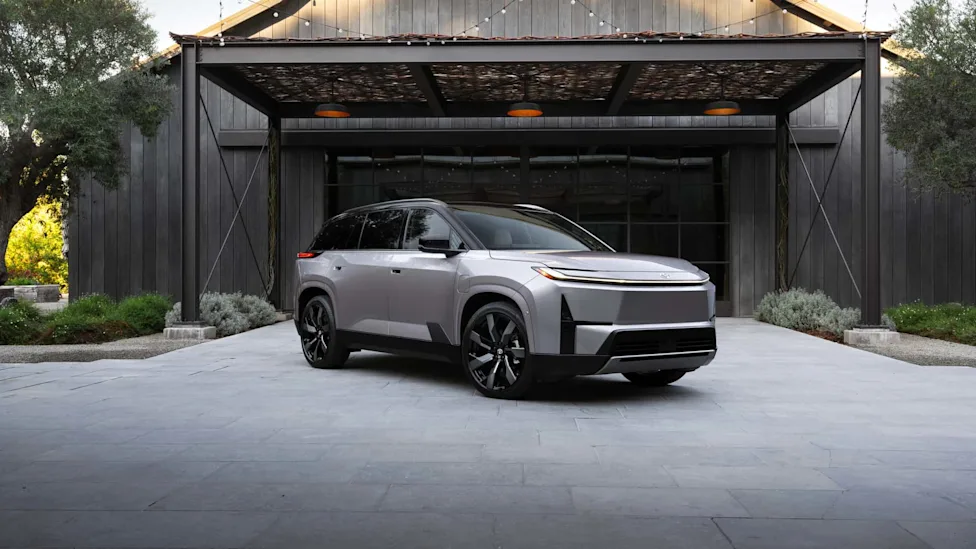
Toyota has decided to slow things down for one of its most anticipated electric vehicles. The automaker confirmed that production of the all-electric 2027 Highlander has been pushed back, meaning the three-row electric SUV will now arrive later than originally planned. For a company that has spent years building momentum in the EV space, this news feels like a pause rather than a full stop, but it still raises questions about where the Highlander BEV fits into Toyota’s bigger picture.
What Is Actually Happening With The Highlander BEV
A Toyota spokesperson told Cars.com that the company is making additional adjustments to the vehicle prior to launch. That is the official reason given for the delay, and Toyota has not shared exactly what those adjustments involve. What we do know is that the current 2026 Highlander, which comes in gas and hybrid versions, will continue rolling off the assembly line through December. Toyota has not announced a new production start date for the electric version, so buyers hoping for a three-row Highlander BEV this year will need to wait longer than expected.
This delay only affects the electric model. The gas and hybrid Highlander are not impacted at all, and Toyota dealers are expected to keep those versions well stocked into 2027.
Why The Timing Makes Sense For Toyota
If you look at the sales numbers, the delay is not really surprising. Toyota sold over 100,000 Highlanders and Grand Highlanders in the United States through June, while total EV sales across its lineup during the same period were just under 22,000 units combined. When one nameplate is outselling an entire electric lineup by that much, it becomes easier to understand why Toyota might not be in a rush to switch the Highlander over to a fully electric powertrain right away.
The current hybrid Highlander, in particular, has become a strong profit driver for Toyota. Hybrids continue to sell well across the brand, and keeping that momentum going a little longer allows Toyota to keep cash flowing while it finishes work on the electric version behind the scenes.
The Bigger Picture For Toyota’s Electric Lineup
This is not Toyota turning its back on electric vehicles. In fact, the company has been adding EVs at a steady pace, including the updated bZ, the C-HR, and the bZ Woodland. The bZ has actually become one of the better-selling electric vehicles in America right now, even outperforming some competitors in its class. So, Toyota is clearly still investing in electrification, it is just choosing to be careful with how and when it rolls out its bigger, more complex models like the three-row electric Highlander.
The Highlander BEV is also notable because it will be the first battery electric Toyota built in the United States, manufactured at the company’s Kentucky plant. That alone adds pressure to get things right before launch, since it represents a shift in how Toyota builds its EVs domestically.
What This Means For Buyers
For anyone who has been waiting for the electric Highlander, patience is going to be necessary. The good news is that the gas and hybrid versions are not going anywhere soon, so there is no shortage of options in the meantime. If you are shopping for a three-row SUV today, the current Highlander lineup remains a solid and proven choice while Toyota finishes refining its electric version.
At Zulqarnain.pro, we always encourage readers to look at the full picture before making a big purchase decision, and this is a good example of why staying updated on release timelines matters, especially with electric vehicles, where technology and adjustments can shift launch dates.
Toyota delaying the Highlander BEV production is not a sign of trouble; it is more a sign of caution. With strong hybrid sales supporting the brand and a new electric lineup still finding its footing in the market, taking extra time to fine-tune the three-row electric SUV seems like a reasonable move. Buyers interested in the Highlander BEV will need to wait a bit longer, but based on how Toyota has handled its other electric releases, the final product may be worth that wait.