
Many people today ask: Can we reduce costs and environmental pollution by using an electric vehicle? The short answer is YES. Electric vehicles offer clear advantages in both money savings and cleaner air. With rising fuel prices and growing concern about climate change, more drivers are considering the switch.
- Understanding How Electric Vehicles Save on Everyday Costs
- How Electric Vehicles Cut Environmental Pollution Dramatically
- Additional Everyday Benefits of Choosing Electric Vehicles
- Potential Challenges and Smart Ways to Overcome Them
- Govt Support and Incentives Still Available for Electric Vehicles
- Real-World Stories from Electric Vehicle Owners
- The Bright Future Ahead for Electric Vehicles
- Make the Switch and Start Saving Today
In this comprehensive guide by zulqarnain.pro EVs expert, you will learn exactly how electric vehicles work, how much you can save, and what real-world results look like. We will cover everything in simple, easy-to-understand language so you feel confident making an informed choice.
Electric vehicles, often called EVs, run on electricity stored in large batteries instead of gasoline or diesel. They use an electric motor that turns the wheels with instant power. Unlike traditional cars, they have no tailpipe, so they produce zero exhaust fumes while driving. This simple difference creates big opportunities for lower running costs and much less pollution. As highlighted by experts at Zulqarnain.pro, switching to electric vehicles is one of the smartest moves for both your wallet and the planet right now.
Understanding How Electric Vehicles Save on Everyday Costs
One of the biggest reasons people choose electric vehicles is the dramatic drop in fuel expenses. Charging an electric vehicle at home costs far less than filling a gas tank. For example, driving 100 miles in a typical gas car might cost around $13 at current average prices. The same distance in an electric vehicle costs only about $5 when you plug in at home. Over a year, with 12,000 miles of driving, that adds up to $600 to $1,500 in pure fuel savings.
These savings come because electricity is cheaper than gasoline in most places, and electric vehicles (Like Tesla) are incredibly efficient. They turn nearly 90 percent of the energy from the battery into motion. Gas cars waste a lot of energy as heat and only use about 20 to 30 percent efficiently. That is why your electric vehicle goes much farther on each dollar spent.
Maintenance costs drop sharply, too. Electric vehicles have far fewer moving parts, no oil to change, no spark plugs, no timing belts, and no exhaust system to repair. Regular service costs 6 cents per mile compared to 10 cents or more for a gas car. Over five to eight years, owners often save $6,000 to $12,000 on upkeep alone. Brakes last longer because regenerative braking uses the motor to slow the car and recharge the battery at the same time.
Upfront purchase price for electric vehicles can still be higher in some cases, but the gap is closing fast. Many models now come with manufacturer discounts, and total ownership costs over time usually favor electric vehicles. When you add up lower fuel, lower maintenance, and sometimes lower insurance, most drivers break even within two to three years and then enjoy years of savings. For daily commuters and families who drive regular routes, electric vehicles quickly become the cheaper choice.
How Electric Vehicles Cut Environmental Pollution Dramatically
The environmental wins from electric vehicles are even more impressive. Electric vehicles produce zero tailpipe emissions, which means no harmful gases come out while you drive. This directly improves local air quality in cities and neighborhoods. Studies show that widespread use of electric vehicles can prevent thousands of cases of asthma and other breathing problems each year.
Looking at the full lifetime, including battery manufacturing, electric vehicles still win big. Recent analysis finds that battery electric vehicles create about 73 percent less greenhouse gas emissions over their entire life compared to similar gasoline cars. Even in the first two years, when the battery production impact is highest, the lower driving emissions quickly catch up. By year three, an electric vehicle has already saved more carbon dioxide than a gas car.
On average, each electric vehicle prevents roughly 3.4 metric tons of CO2 every year compared to a gasoline counterpart. That is like removing one gas car from the road for every electric vehicle you add. As the electricity grid gets cleaner with more solar and wind power, these numbers improve even further. In areas with lots of renewable energy, the savings can reach 78 percent or more.
Electric vehicles also reduce other pollutants like nitrogen oxides and particulate matter that cause smog. Every mile you drive an electric vehicle instead of a gas car means cleaner air for everyone around you, your family, neighbors, and future generations. This is why governments worldwide encourage the shift: electric vehicles are a practical tool to fight climate change right now.
Additional Everyday Benefits of Choosing Electric Vehicles
Beyond money and pollution, electric vehicles bring many pleasant surprises. They accelerate smoothly and quietly, giving a calm, enjoyable drive. Instant torque from the electric motor means quick response when you press the pedal, great for merging onto highways or climbing hills. Most owners say the ride feels more refined and relaxing.
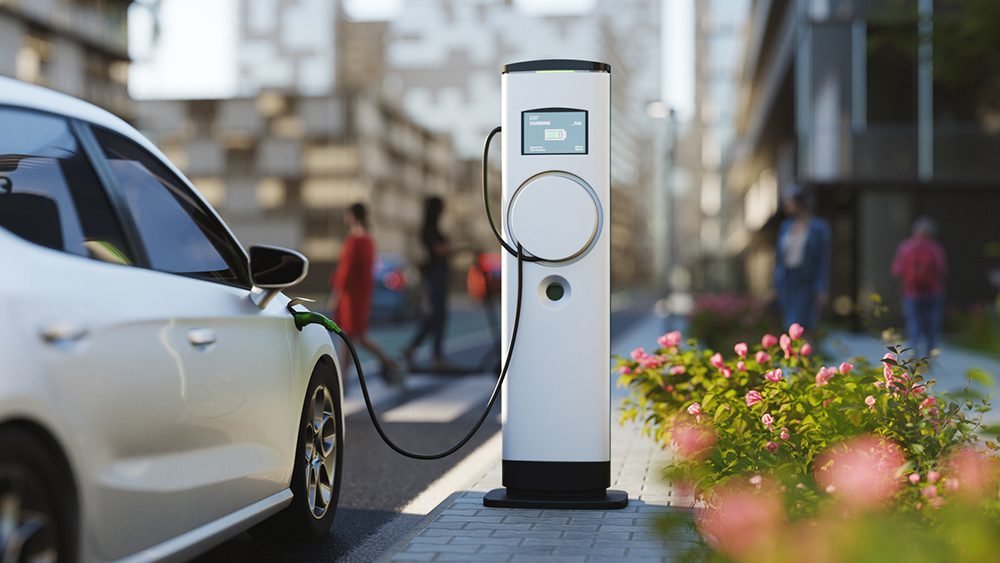
Home charging is convenient too. Plug in overnight and wake up with a full “tank.” No more trips to the gas station in the rain or early mornings. Many electric vehicles now offer 200 to 300 miles of range on a single charge, enough for daily needs and weekend trips. Fast public chargers can add hundreds of miles in 20 to 30 minutes when you need them on longer journeys.
Safety is another plus. Electric vehicles often have a low center of gravity because the heavy battery sits low in the floor. This improves handling and reduces rollover risk. Many models also come standard with advanced driver aids like automatic emergency braking, lane-keeping, and blind-spot monitoring.
For families or businesses, electric vehicles lower overall stress. Predictable costs, quiet operation, and modern technology features make daily life easier. As more people switch, charging networks keep expanding, making electric vehicles practical in more locations every year.
Potential Challenges and Smart Ways to Overcome Them
No change is perfect, and electric vehicles have some challenges worth knowing. The biggest one for many is range anxiety, worrying about running out of charge on long trips. However, with planning and growing charger networks, this worry fades quickly. Most drivers charge at home 80 to 90 percent of the time and only use public stations for travel.
Cold weather can reduce range by 20 to 30 percent, but modern electric vehicles have improved heating systems that use less battery power. Preconditioning the car while plugged in helps a lot. Battery life is also strong. Most warranties cover 8 years or 100,000 miles, and real-world data shows batteries often last much longer.
Public charging can cost more than home charging, so smart owners plan routes around home or workplace plugs. Installing a home charger (often eligible for a 30 percent tax credit until mid-2026) makes life simple and cheap. Upfront price remains a hurdle for some, but leasing options, used electric vehicles, and falling new-car prices are making entry easier than ever in 2026.
Depreciation was once a concern, but the used electric vehicle market is maturing fast. Reliable models hold value well when properly maintained. Overall, the challenges are manageable with a little research and planning.
Govt Support and Incentives Still Available for Electric Vehicles
Even though the big federal purchase tax credit ended in late 2025, other helpful programs remain. Many states and utility companies offer rebates, lower electricity rates for charging, and special parking or lane access. The 30 percent tax credit for home charger installation continues through June 2026, which can save hundreds of dollars on setup.
Businesses and fleets enjoy additional breaks on commercial electric vehicles. Cities are adding more public chargers every month, often funded by government grants. These supports make the switch to electric vehicles even more affordable for everyday people.
Real-World Stories from Electric Vehicle Owners
Thousands of drivers already enjoy the benefits. Take Sarah from California: she switched to an electric vehicle two years ago and saved over $1,200 on fuel and maintenance in the first year alone. Her electricity bill rose only slightly, and she loves never visiting a gas station. In colder Midwest states, drivers report similar savings once they learned simple winter tips.
Delivery companies and taxi fleets report 50 to 70 percent lower operating costs after switching entire fleets to electric vehicles. These real examples prove that electric vehicles work for both personal and professional use.
The Bright Future Ahead for Electric Vehicles
By 2030, experts predict electric vehicles will be cheaper to buy than gas cars in many segments thanks to better batteries and mass production. Range will keep increasing, charging will get faster, and prices will continue to drop. As the grid becomes greener, the environmental advantages will grow even stronger.
Electric vehicles are not just a trend; they are the future of transportation. They help families save money, improve air quality, and reduce dependence on imported oil. Every new electric vehicle on the road moves us closer to a cleaner, quieter, and more sustainable world.
Make the Switch and Start Saving Today
So, can we reduce costs and environmental pollution by using an electric vehicle? Absolutely yes. Lower fuel and maintenance bills, dramatically reduced emissions, a smoother drive, and long-term savings make electric vehicles a smart choice for most drivers in 2026. Start by calculating your own driving habits and local electricity rates. Test drive a few models at a dealership. Consider your charging options at home or work.
For the latest reviews, comparisons, and practical tips on going electric, visit Zulqarnain.pro. The experts there regularly update guides to help you choose the right electric vehicle for your needs. Switching to electric vehicles is easier and more rewarding than ever. Take the first step today, you will save money, breathe cleaner air, and enjoy a more modern driving experience. The future is electric, and it is brighter, cheaper, and greener for everyone who joins the journey.