
Article Highlights
- Global electric vehicle demand continues to grow despite market challenges
- Battery technology and charging infrastructure are improving rapidly
- China, Europe, and India are leading the EV transformation
- Hybrid vehicles are becoming more popular alongside fully electric cars
- Experts predict the EV market will expand significantly by 2030
Electric Market Update: Introduction
The electric vehicle industry has changed dramatically over the last few years. From my personal observation, electric cars are no longer viewed as futuristic machines. They are becoming a normal part of daily life. Whether it is city driving, family transportation, or commercial delivery fleets, electric mobility is growing faster than expected. This Electric Market Update explains the latest developments, industry news, and what the future may look like for electric vehicles around the world.
- Electric Market Update: Introduction
- Global EV Market Growth in 2026
- Latest Electric Vehicle Industry News
- Battery Technology Is Improving Rapidly
- Charging Infrastructure Expansion
- Challenges Facing the EV Industry
- Future Predictions for the Electric Vehicle Market
- Why Consumers Are Becoming More Interested in EVs
- EV Industry News and Future Predictions
Many people were unsure about EVs in the beginning because of battery range, charging availability, and high prices. Today, those concerns are slowly reducing as companies invest heavily in better technology and infrastructure. Governments are also supporting cleaner transportation through policies and incentives.
Global EV Market Growth in 2026
The global electric vehicle market is still expanding, although the pace differs from region to region. According to recent industry forecasts, more than 116 million electric vehicles are expected to be on roads worldwide in 2026.
From what I have seen personally, more consumers are now considering EVs because fuel prices continue to fluctuate. People also want lower maintenance costs and environmentally friendly transportation options. Countries such as China, Norway, Germany, and India are becoming major contributors to EV adoption.
China currently dominates EV production and battery manufacturing. Europe is also pushing aggressively toward zero-emission transportation. Meanwhile, developing markets are slowly entering the electric mobility era with affordable EV models.
Latest Electric Vehicle Industry News
One of the biggest trends in this Electric Market Update is the changing strategy of automakers. Some companies are increasing EV production while others are slowing down due to market pressure and changing customer demand. Recent reports show that several car manufacturers delayed or canceled some EV models because of slowing sales in certain regions.
However, the overall long-term industry direction still strongly favors electrification. Tesla continues to remain one of the biggest names in the EV market. Reports from Australia and the UK showed strong Tesla sales growth during 2026.
Another major trend is the rise of hybrid and plug-in hybrid vehicles. Many buyers now prefer hybrids because they provide electric driving benefits while still offering traditional fuel backup for longer trips. Industry analysts believe hybrids will play an important role during the transition toward fully electric transportation.
Battery Technology Is Improving Rapidly
Battery innovation is currently one of the most exciting parts of the EV industry. In my opinion, battery technology will decide how quickly the electric market grows over the next decade.
Researchers and manufacturers are working on solid-state batteries, sodium-ion batteries, and improved lithium technology. These advancements are expected to increase driving range, reduce charging time, and lower production costs.
Recent studies show that EV driving range has improved significantly over the past decade. Some modern electric vehicles now offer over 450 kilometers of range on a single charge.
Battery companies are also trying to make EVs more affordable by reducing dependence on expensive raw materials. Sodium-ion batteries are gaining attention because they could lower costs while improving durability in extreme temperatures.
Charging Infrastructure Expansion
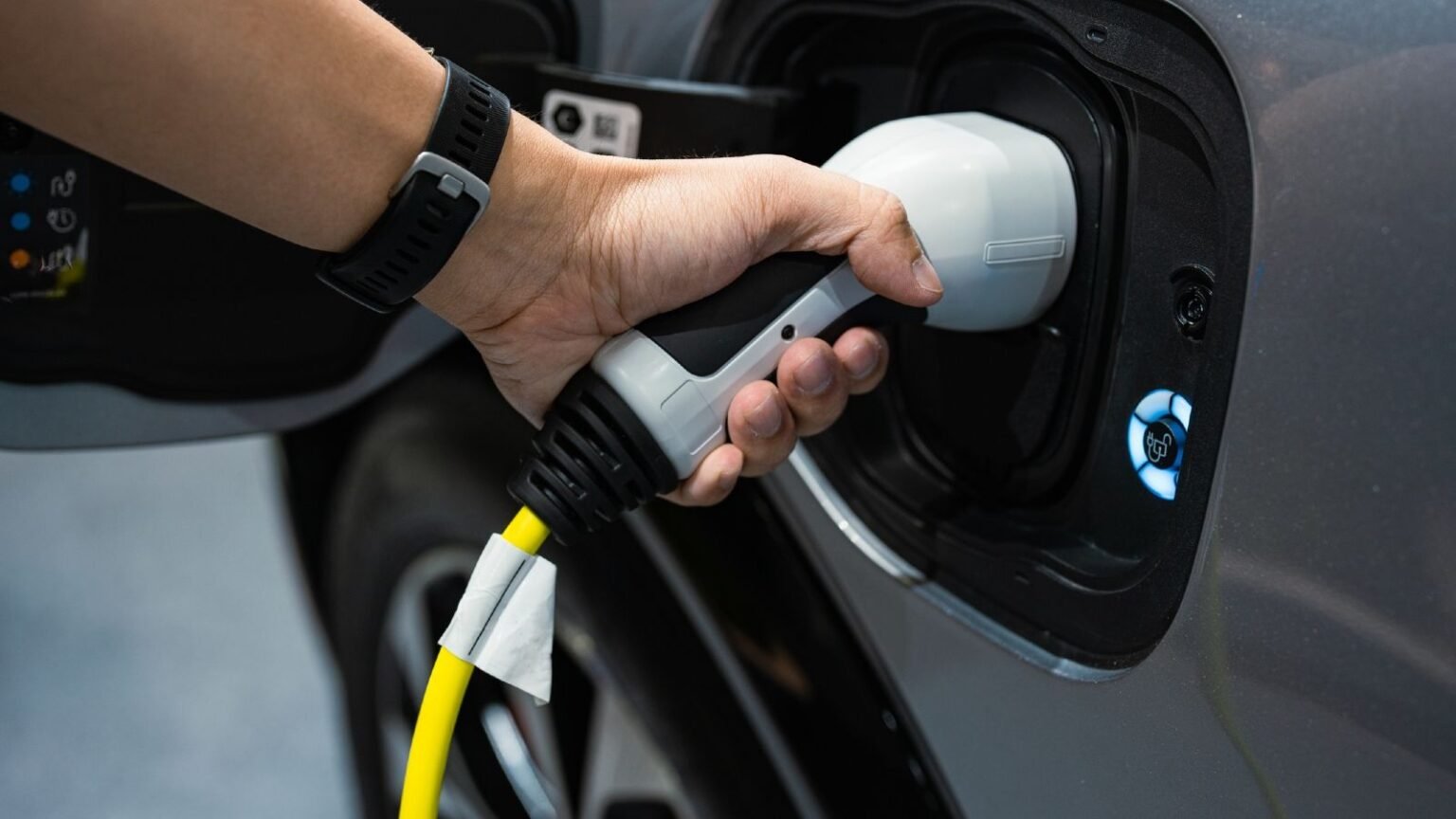
One of the biggest improvements I have noticed is the expansion of EV charging networks. A few years ago, finding a charging station was difficult in many areas. Today, governments and private companies are rapidly building charging infrastructure.
Industry discussions show that charging companies are growing strongly even during periods when vehicle sales slow down. Fast charging technology is also improving, allowing drivers to recharge vehicles much quicker than before.
Public charging stations, home charging solutions, and smart grid technology are helping consumers feel more confident about switching to electric vehicles. Cities are also experimenting with curbside charging solutions for apartment residents and urban drivers.
Challenges Facing the EV Industry
Despite strong growth, the EV market still faces several challenges. High vehicle prices remain a concern for many buyers. Inflation, rising energy prices, and supply chain problems continue to affect the industry.
Charging infrastructure is still limited in some rural and developing regions. In addition, battery raw materials such as lithium and nickel remain expensive.
Another challenge is customer hesitation regarding used EV values. Some buyers worry about battery lifespan and resale prices. Industry experts believe these concerns will improve as battery technology becomes more reliable and standardized.
Future Predictions for the Electric Vehicle Market
The future of the EV industry still looks extremely promising. Most forecasts suggest that electric vehicles will continue gaining market share globally throughout the next decade. Experts predict EV adoption will grow steadily as battery prices decline and charging infrastructure expands.
I personally believe that by 2030, electric vehicles will become common in almost every major city worldwide. Commercial transportation, including buses, taxis, and delivery fleets, will likely become mostly electric.
Artificial intelligence and smart software will also play a bigger role in EV development. Future electric cars may include more advanced autonomous driving systems, energy-efficient navigation, and vehicle-to-grid technology.
Another important prediction is that affordable EVs will enter emerging markets more aggressively. This could dramatically increase adoption rates in countries where fuel costs are high and public transportation needs improvement.
Why Consumers Are Becoming More Interested in EVs
Consumers are becoming more interested in EVs because they offer several practical benefits. Electric cars require less maintenance compared to traditional fuel vehicles. There are fewer moving parts, no engine oil changes, and lower daily operating costs.
Many people also enjoy the quiet driving experience and instant acceleration that EVs provide. Environmental awareness is another important factor influencing buyers today. As more affordable models enter the market, EV ownership is expected to become easier for middle-income families around the world.
EV Industry News and Future Predictions
This Electric Market Update clearly shows that the electric vehicle industry is going through a major transformation. Although there are still challenges such as infrastructure limitations and pricing concerns, the long-term future of EVs remains strong.
Battery innovation, government support, growing consumer awareness, and improvements in charging networks are all helping the industry move forward. Based on current trends, the coming years will likely bring more affordable, efficient, and advanced electric vehicles to global markets.
For anyone following automotive trends, the EV revolution is no longer a future concept. It is already happening, and the next decade could completely reshape the transportation industry worldwide.